CIVIL ENGINEERING & CONSTRUCTION
Use our free excavation calculator to estimate the volume of material produced by a rectangular excavation. The tool also allows for soil bulking and provides approximate spoil tonnage and vehicle-load requirements.
Use our free excavation calculator to estimate the volume of material produced by a rectangular excavation. The tool also allows for soil bulking and provides approximate spoil tonnage and vehicle-load requirements.
KATSPARE.COM Engineering Toolkit
Estimate excavation volume, loose spoil volume, approximate weight and the number of vehicle loads required.
This simple calculator assumes a rectangular excavation with a consistent or average depth.
Looking for more free civil engineering calculators?
Explore the CATSPARE.com Toolkit for drainage, earthworks, concrete, aggregates and other practical tools for engineers, contractors and groundworkers.
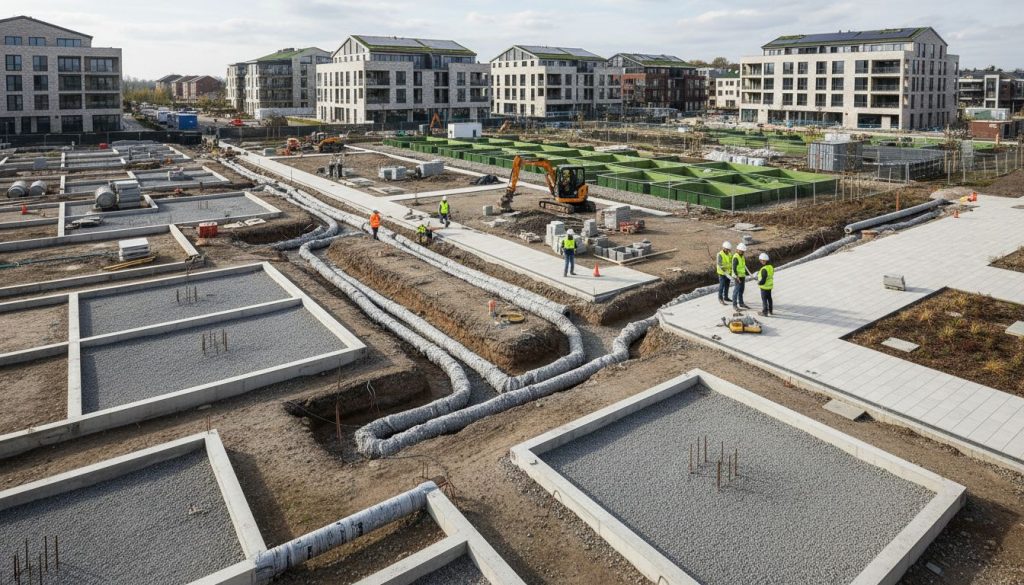


Whether you’re pricing a project, planning site logistics or estimating material removal, an accurate excavation calculation is one of the first steps in any successful civil engineering or groundworks project.
Our Earthworks & Excavation Calculator has been designed to provide a quick estimate of excavation volume, spoil volume after bulking, approximate material weight and the number of tipper loads that may be required. It’s ideal for early planning, quotations and comparing different excavation scenarios before work begins on site.
The calculator is suitable for estimating rectangular excavations such as foundation trenches, service trenches, drainage runs, utility excavations and general earthworks. Simply enter the excavation length, width and average depth before selecting the most appropriate material type. The calculator will then estimate the in-situ excavation volume in cubic metres (m³), apply a typical bulking factor and calculate an estimated spoil weight based on the selected material density.
An excavation calculator is a tool used to estimate how much material will be removed during excavation work. It is commonly used by civil engineers, groundworkers, site managers, quantity surveyors and contractors during the planning and estimating stages of a project.
Knowing the excavation volume helps when ordering plant, arranging muck-away services, estimating disposal costs and calculating how much imported material may be required to reinstate the excavation.
Once soil or rock is excavated it becomes less compact than it was in the ground. This increase in volume is known as bulking or swell.
For example, 100 cubic metres of compact clay in the ground may occupy around 130 cubic metres once excavated and loaded into wagons. Different materials have different bulking characteristics, which is why this calculator includes editable default values that can be adjusted if more accurate site information is available.
This excavation volume calculator is suitable for estimating: