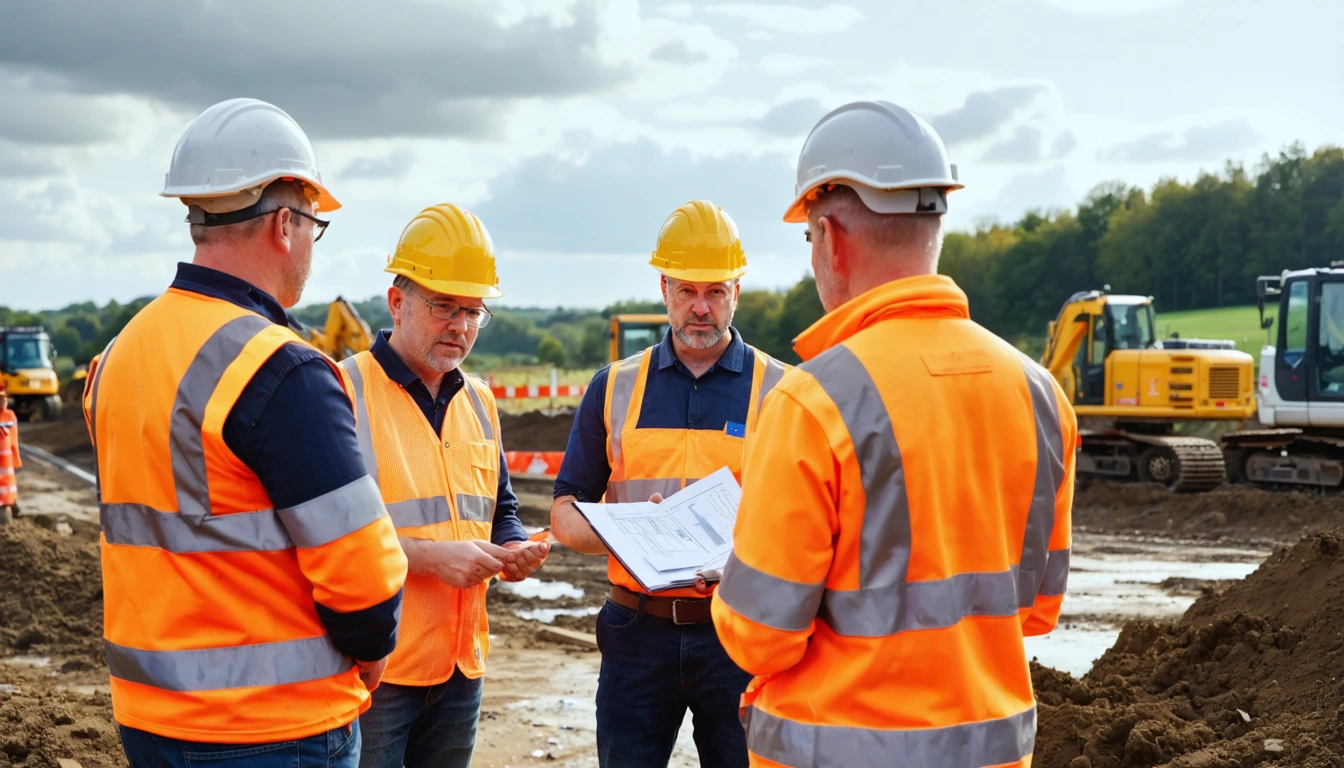
Every successful construction project depends on more than skilled labor and quality materials. Behind the visible progress on site, civil engineering provides the technical planning, analysis, coordination, and risk control that help a project move forward safely and predictably.
From the first site investigation to the final structural checks, civil engineers help turn design intent into buildable reality. Their work supports construction safety, long-term stability, code compliance, and schedule reliability, all of which are essential for keeping complex projects under control.
The Engineering Decisions That Shape a Safer Jobsite
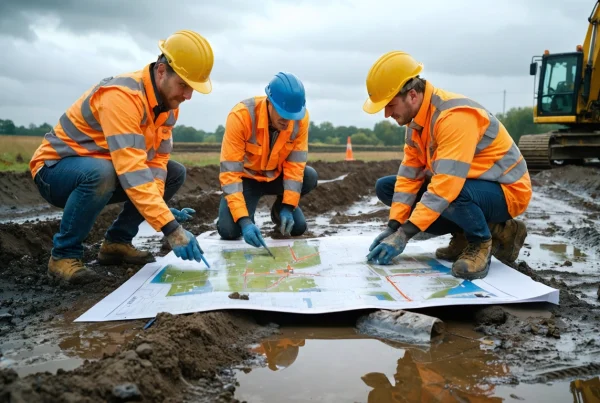
Safety on a construction project begins long before crews arrive with equipment. Civil engineers evaluate site conditions, soil behavior, drainage patterns, structural loads, access routes, and nearby infrastructure to identify risks that could affect workers, the public, or the finished structure. These early decisions influence how excavation is performed, how temporary works are designed, where equipment can operate, and how materials can be staged without creating unnecessary hazards.
One of the most important safety contributions civil engineers make is reducing uncertainty. By reviewing survey data, geotechnical reports, utility records, and construction drawings, they help project teams understand what conditions are expected and what precautions are needed. This allows contractors to plan safer methods for excavation, shoring, grading, lifting, traffic control, and stormwater management.
Site Investigation and Risk Identification
A thorough site investigation helps reveal issues that may not be visible at the surface. Weak soils, high groundwater, buried utilities, unstable slopes, contaminated materials, and poor drainage can all create dangerous conditions if they are not identified early. Civil engineers assess these factors and recommend design or construction measures that reduce the likelihood of failures, delays, or unsafe field conditions.
This process also supports better communication among owners, architects, contractors, inspectors, and specialty consultants. When risks are documented clearly, the project team can plan realistic construction sequences, assign responsibilities, and prepare contingency measures before problems escalate on site.
Building Stability Into the Project From the Ground Up
Long-term stability depends on how well the project responds to the forces and conditions it will face throughout its service life. Civil engineers analyze how structures interact with soil, water, gravity loads, lateral forces, temperature changes, and environmental exposure. Their calculations and design recommendations help ensure that foundations, retaining systems, pavements, drainage structures, and other site elements perform as intended.
Foundation design is a key part of this work. If the ground cannot support the planned loads, settlement, cracking, tilting, or structural distress may occur. Civil engineers use geotechnical information and structural requirements to determine whether shallow foundations, deep foundations, soil improvement, or other solutions are appropriate for the project.
Drainage, Grading, and Erosion Control
Water is one of the most common causes of construction and infrastructure problems. Poor drainage can weaken soils, flood work areas, damage foundations, erode slopes, and shorten the lifespan of pavements and structures. Civil engineers design grading plans, stormwater systems, culverts, swales, detention areas, and erosion control measures to direct water safely through and away from the site.
These systems are especially important during construction, when exposed soil and unfinished surfaces are more vulnerable to runoff and erosion. By planning temporary and permanent drainage strategies together, civil engineers help protect the jobsite during active work while also supporting the long-term durability of the completed project.
Keeping Construction on Schedule Through Technical Coordination
Construction schedules are often affected by technical issues that are difficult to resolve once work is underway. Civil engineers help prevent these disruptions by coordinating design requirements with field conditions, permit obligations, utility constraints, material availability, and construction sequencing. Their input helps the project team identify dependencies early, so critical activities can be planned in the right order.
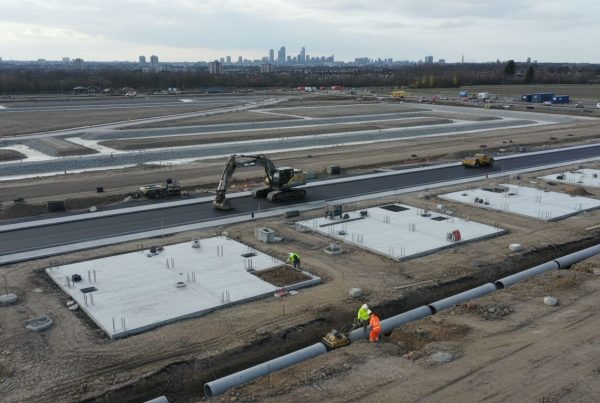
For example, mass grading may need to be completed before underground utilities are installed, but utility installation may also depend on approved trench details, dewatering plans, traffic control measures, and inspection availability. Civil engineers help align these requirements so crews are not delayed by missing information, conflicting drawings, or unresolved site conditions.
Reducing Delays Caused by Design Conflicts
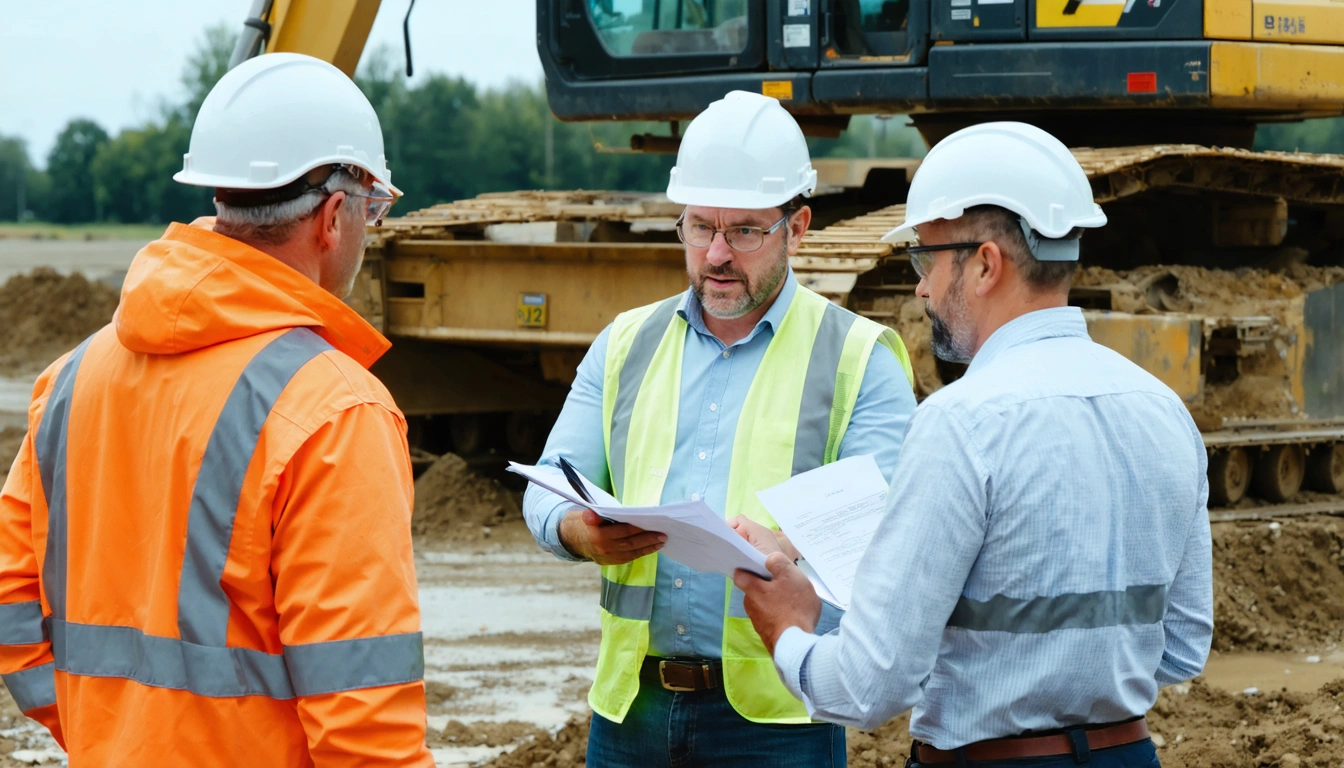
Design conflicts can slow a project when civil, structural, architectural, mechanical, electrical, and plumbing systems are not properly coordinated. A storm drain may conflict with a foundation element, a utility line may cross a retaining wall footing, or a proposed grade may create accessibility or drainage problems. Civil engineers review these relationships and help adjust the design before conflicts turn into costly field changes.
This coordination is especially important on dense urban sites, industrial facilities, campuses, transportation projects, and renovations where existing infrastructure may limit available space. By resolving conflicts during design review and preconstruction planning, civil engineers help contractors maintain productivity and avoid rework.
Supporting Accurate Phasing and Sequencing
Many construction projects must be built in phases to maintain access, protect adjacent properties, keep facilities operating, or comply with environmental restrictions. Civil engineers help develop phasing plans that account for temporary drainage, haul routes, excavation limits, traffic movement, utility shutdowns, and site stabilization at each stage of work.
A well-planned sequence allows each phase to support the next. Temporary slopes must remain stable until permanent walls are built, temporary stormwater controls must function until final drainage systems are active, and access roads must support construction traffic before final paving is placed. Civil engineering input helps ensure these temporary conditions are safe, practical, and compatible with the finished design.
Temporary Works and Construction Support Systems
Not every engineered element on a project becomes part of the final structure. Temporary works are often required to support safe construction, and they can be just as important as permanent design features.
These systems protect workers and nearby structures while allowing construction to proceed efficiently. If temporary works are underestimated, the project may face cave-ins, equipment instability, flooding, settlement, or damage to adjacent properties.
Excavation, Shoring, and Slope Stability
Excavation work presents some of the most serious hazards on a construction site. Soil can appear stable until groundwater, vibration, rainfall, surcharge loads, or unsupported cuts cause sudden movement.
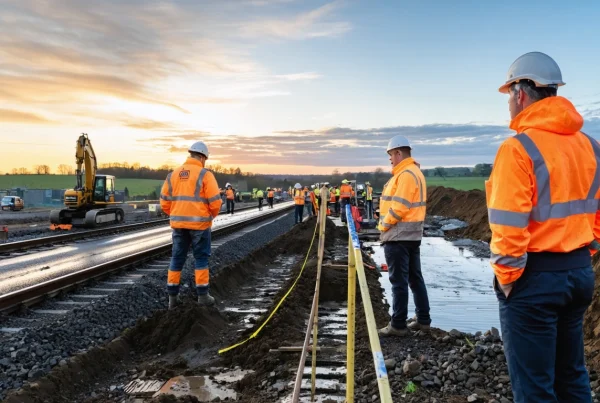
Depending on the project, this may include sloped excavations, benching, trench boxes, sheet piling, soldier piles and lagging, soil nails, bracing, or tiebacks. The goal is to create a safe excavation system that matches the soil conditions and construction sequence while allowing crews to work efficiently.
Crane Pads, Haul Roads, and Equipment Stability
Heavy equipment places concentrated loads on the ground. Cranes, concrete pumps, haul trucks, drilling rigs, and material storage areas can overload weak soils or recently placed fill if the site is not prepared correctly.
For example, a crane pad may require engineered fill, geotextile reinforcement, aggregate base, matting, or specific drainage measures to prevent rutting and instability. Haul roads may need to be designed to handle repeated truck traffic without becoming unsafe during wet weather.
Quality Control, Inspections, and Field Verification
Even the best design can fail to perform if construction does not match the approved plans and specifications. Civil engineers support quality control by reviewing submittals, answering field questions, observing critical work, evaluating test results, and verifying that construction materials and methods meet project requirements.
Field verification helps catch problems before they become larger failures. If unsuitable soil is discovered during excavation, if compaction tests fail, or if drainage structures are installed at the wrong elevation, civil engineering review can help determine the correct remedy.
Material Testing and Compaction Control
Soil, concrete, asphalt, aggregate, and other construction materials must meet specific performance standards. Civil engineers rely on testing and inspection results to confirm that materials are suitable for the loads and environmental conditions they will experience.
Compaction control is particularly important for foundations, pavements, slabs, utility trenches, and embankments. Poorly compacted fill can settle over time, leading to cracked pavements, uneven floors, damaged utilities, and drainage problems.
Responding to Unexpected Field Conditions
Construction sites often reveal conditions that differ from the original assumptions. Crews may encounter soft soils, undocumented utilities, buried debris, rock layers, groundwater, abandoned foundations, or conflicts with existing drainage systems.
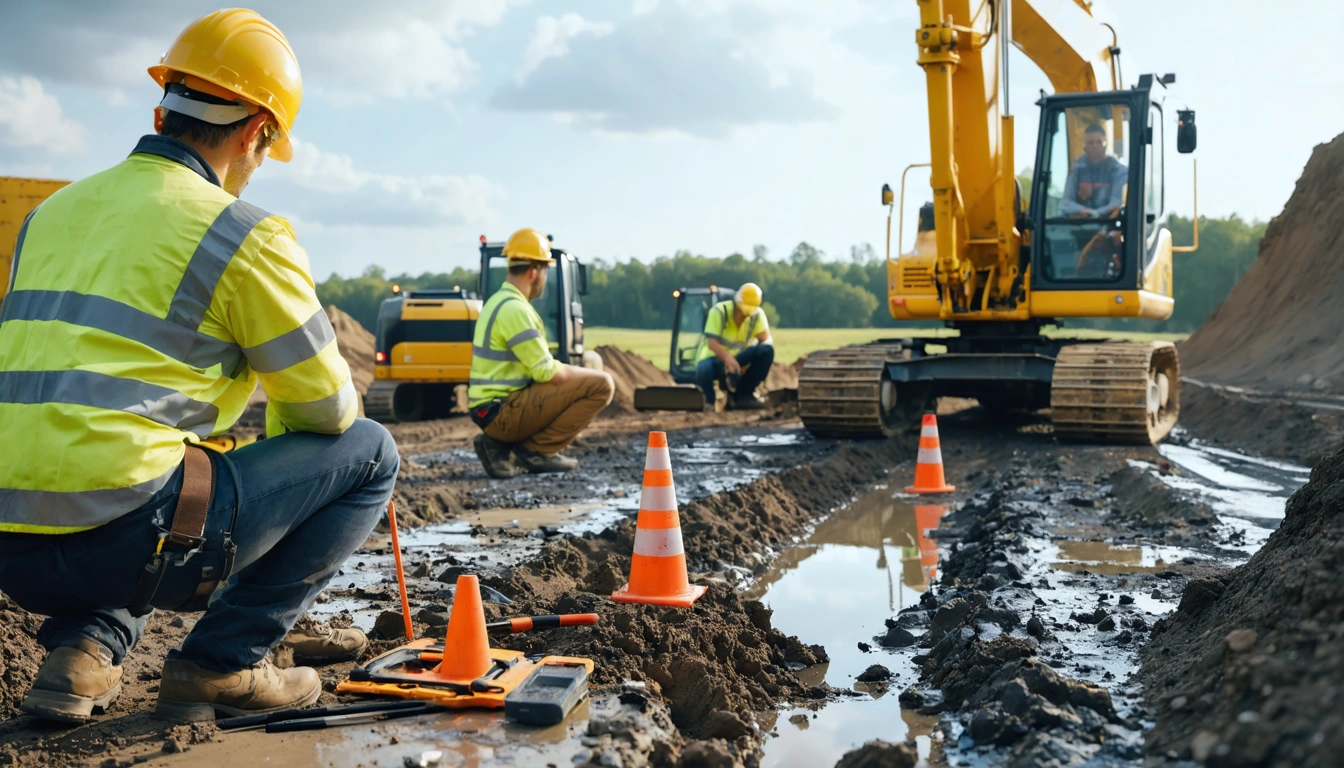
This response may involve revising foundation details, adjusting pipe alignments, modifying slopes, improving unsuitable soils, adding drainage features, or recommending additional testing. The faster these issues are evaluated by qualified professionals, the less likely they are to create major delays or unsafe improvisation in the field.
Managing Utilities, Access, and Public Safety
Many projects must be built around active roads, sidewalks, water lines, sewer systems, gas lines, power lines, communication networks, and neighboring properties. Civil engineers help coordinate these constraints so construction can proceed while protecting the public and maintaining essential services.
Utility coordination is a major part of this work. Before excavation begins, civil engineers review available utility records, survey information, and proposed improvements to identify potential conflicts.
Traffic Control and Site Access Planning
Safe access is essential for workers, deliveries, emergency responders, pedestrians, and the public. Civil engineers may contribute to traffic control plans, temporary access roads, detour layouts, construction entrances, haul routes, and staging plans.
On projects near active streets or occupied facilities, poor access planning can create safety risks and schedule delays. Deliveries may be blocked, equipment may not have adequate room to maneuver, or public traffic may be disrupted.
Protecting Adjacent Structures and Properties
Construction activity can affect nearby buildings, roads, utilities, slopes, and drainage patterns. Excavation may undermine adjacent foundations, vibration may affect sensitive structures, and changes in runoff may create flooding on neighboring properties.
Protective strategies may include preconstruction surveys, vibration monitoring, settlement monitoring, underpinning, temporary drainage controls, retaining systems, erosion protection, and clear limits on excavation or equipment loading.
Compliance With Codes, Permits, and Engineering Standards
Construction projects must satisfy a wide range of technical and regulatory requirements. Civil engineers help interpret and apply building codes, stormwater regulations, accessibility standards, floodplain requirements, roadway standards, environmental permits, and local development ordinances.
By addressing compliance requirements early, civil engineers help avoid rejected inspections, permit delays, redesign, and costly corrections. This keeps the project aligned with approval conditions and reduces the risk of schedule disruptions near critical milestones.
Documentation and Approval Support
UK Civil engineering services prepare and review technical documents that support permitting, bidding, construction, and final acceptance. These may include calculations, drainage reports, grading plans, erosion control plans, utility layouts, site details, inspection reports, and responses to agency comments.
Clear documentation gives contractors, inspectors, and reviewing authorities a consistent reference point. It also helps resolve questions in the field by showing the design basis, required materials, approved elevations, and performance expectations for critical site elements.
Adapting to Regulatory Requirements During Construction
Regulatory requirements can affect how and when certain work is performed. Stormwater inspections, environmental protection measures, right-of-way restrictions, noise limits, traffic control approvals, and utility coordination rules may all influence the construction schedule.
When changes are needed, engineers can evaluate whether proposed field adjustments remain compliant with permits and design standards. This helps prevent well-intended changes from creating approval problems later in the project.