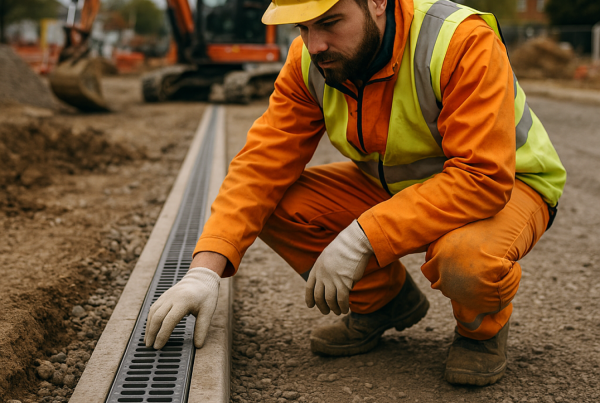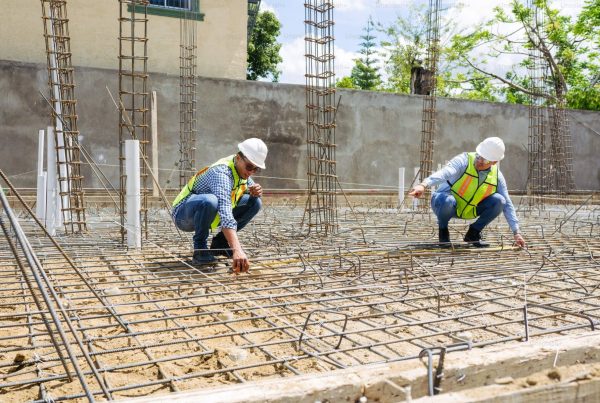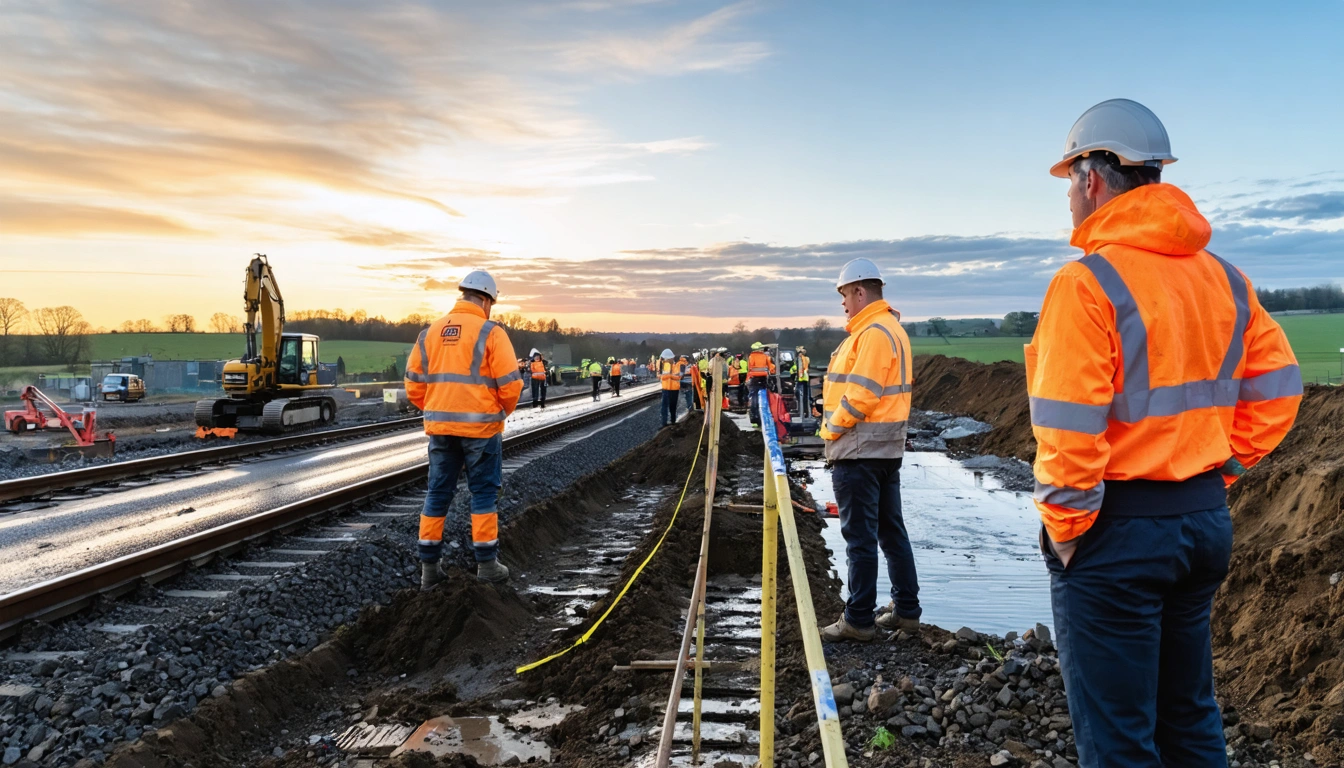
Trenchless technology has revolutionised the way we think about underground drainage systems.
Traditionally, installing or repairing these systems involved extensive excavation, which was not only time-consuming but also disruptive to the surrounding surroundings and infrastructure.Trenchless technology, though, offers a less invasive alternative.This innovative approach allows for the installation and repair of underground pipes with minimal digging, preserving the landscape and reducing the impact on traffic and daily life.
The core concept of trenchless technology is to minimise disruption. By using advanced techniques such as horizontal directional drilling, pipe burstingand cured-in-place pipe (CIPP) lining, it is possible to address drainage issues without the need for large trenches. These methods involve either drilling small entry and exit points or inserting new materials into existing pipes to reinforce or replace them.The result is a more efficient and environmentally friendly way to manage underground drainage systems.
Benefits of Trenchless Technology in Drainage Systems
One of the most significant advantages of trenchless technology for underground drainage is its ability to reduce surface disruption. In urban areas, conventional trenching methods can lead to road closures, traffic congestion and damage to existing infrastructure. By minimizing the need for excavation,trenchless methods help maintain normalcy in daily routines and prevent the degradation of roads and landscapes.This is particularly beneficial in densely populated areas where space is limited and disruption can have far-reaching consequences.
additionally, trenchless technology is often more cost-effective in the long run. Even though the initial investment might be higher compared to conventional methods, the reduced need for restoration and repair of surfaces can lead to significant savings. Furthermore, the speed of trenchless installations means that projects can be completed more quickly, reducing labor costs and minimising the economic impact on businesses and residents in the affected areas.
Applications of Trenchless Technology in Modern Infrastructure
Trenchless technology is versatile and can be applied to a variety of infrastructure projects. In the context of underground drainage, it is particularly useful for repairing aging sewer systems, installing new water mains, and replacing deteriorating pipes. The technology is also ideal for areas with challenging terrain or where environmental preservation is a priority. For example, in ecologically sensitive areas, trenchless methods can help protect the natural habitat by avoiding large-scale excavation that could disrupt wildlife and vegetation.
Moreover, trenchless technology is highly adaptable, making it suitable for both large-scale municipal projects and smaller residential applications. In residential areas, the use of trenchless methods can significantly reduce the inconvenience to homeowners who might otherwise face extensive landscaping repairs. In essence, trenchless technology provides a flexible solution to a wide range of drainage challenges, ensuring that infrastructure can be maintained and improved with minimal impact on the environment and society.
Challenges and Considerations in Implementing Trenchless Solutions
While trenchless technology offers numerous benefits, it is indeed not without its challenges. One of the primary considerations is the upfront cost, which can be higher than traditional methods. This can be a deterrent for some municipalities and property owners, despite the potential for long-term savings. Additionally, trenchless methods require specialised equipment and skilled technicians, which can limit their availability in certain regions. It is essential for project planners to weigh these factors against the benefits and determine the most appropriate approach for their specific needs.
Another challenge is the suitability of trenchless technology for certain soil types and geologies. Some methods may not be effective in areas with particularly hard or rocky soiland careful assessment is necessary to determine the best approach.Moreover, accurate mapping and planning are crucial to avoid damaging existing utilities during the installation process. Despite these challenges, advancements in technology and increased awareness are making trenchless solutions more accessible and viable for a wider range of projects.
The future of trenchless Technology in Underground Drainage
As urban areas continue to grow and infrastructure ages, the demand for efficient and enduring drainage solutions will only increase. Trenchless technology is poised to play a critical role in meeting this demand. Ongoing research and progress are likely to lead to even more advanced techniques, further reducing costs and expanding the applicability of trenchless methods. Innovations in materials and processes could also improve the durability and longevity of installations, ensuring that drainage systems remain functional and reliable for years to come.
the integration of digital technologies, such as advanced mapping and monitoring systems, is also set to enhance the precision and efficiency of trenchless projects. These tools can provide real-time data and analytics,enabling more informed decision-making and reducing the risk of errors. As these technologies evolve, trenchless solutions will become an increasingly attractive option for addressing the complex challenges of modern infrastructure development.
Conclusion: Embracing a Less Disruptive Future
Trenchless technology for underground drainage represents a significant shift in how we approach infrastructure development and maintainance. By minimizing disruption, reducing costsand protecting the environment, trenchless methods offer a compelling alternative to traditional excavation. As we look to the future,the continued advancement and adoption of these technologies will be essential in creating sustainable and resilient urban environments. For municipalities, engineersand property owners alike, embracing trenchless technology is a forward-thinking step toward a more efficient and less invasive approach to managing our vital underground drainage systems.
This technology has fundamentally changed our approach to managing underground drainage systems. In the past, addressing issues with these systems meant significant digging, which was not only labor-intensive and time-consuming but also caused considerable disruption to the environment and everyday life. Trenchless technology, however, offers a modern solution that minimizes these disturbances.This innovative approach allows for the installation and repair of underground pipes with minimal digging, preserving landscapes and minimizing the impact on daily activities.
At its core, trenchless technology is about reducing disruption. Techniques like horizontal directional drilling, pipe burstingand cured-in-place pipe (CIPP) lining are used to fix drainage issues without the need for large trenches. These methods involve drilling small entry and exit points or inserting new materials into existing pipes to reinforce or replace them. This results in a more efficient and environmentally friendly way to manage underground drainage systems.
One of the standout benefits of trenchless technology is its ability to limit surface disruption, particularly in urban areas. Traditional methods can lead to road closures and traffic jams, causing inconvenience and damage to existing infrastructure. By minimising the need for excavation, trenchless methods help maintain normalcy in daily routines and protect roads and landscapes from degradation. This is especially beneficial in densely populated areas where space is at a premium and disruptions can have significant consequences.
Moreover, while trenchless technology may require a higher initial investment than conventional methods, it frequently enough proves more cost-effective over time. This is due to the reduced need for restoration and repair of surfaces, leading to ample savings. The quicker completion time of trenchless projects also cuts down on labor costs and minimizes the economic impact on local businesses and residents.
Trenchless technology’s versatility makes it applicable to a wide range of infrastructure projects. It is particularly beneficial for repairing aging sewer systems, installing new water mains and replacing deteriorating pipes. The technology shines in areas with challenging terrain or where environmental preservation is crucial, as it avoids large-scale excavations that could harm wildlife and vegetation.
however, trenchless technology is not without challenges. One primary concern is the initial cost,which can deter some municipalities and property owners despite the potential long-term savings. Additionally, the need for specialized equipment and skilled technicians can limit availability in certain areas. project planners must carefully evaluate these factors against the benefits to determine the best approach for their specific needs.
Soil type and geology also play a crucial role in the effectiveness of trenchless methods. Some techniques may not be suitable for areas with particularly hard or rocky soil, necessitating a thorough assessment to choose the best method. Accurate mapping and planning are essential to prevent damage to existing utilities during installation. Despite these challenges, advancements in technology are making trenchless solutions more accessible and feasible for a broader range of projects.
Looking to the future, as urban populations grow and infrastructure ages, the demand for efficient and sustainable drainage solutions will increase. Trenchless technology is set to play a vital role in meeting this demand. Continued research and development are expected to yield even more advanced techniques, reducing costs further and broadening the applicability of trenchless methods. Innovations in materials and processes could enhance the durability and longevity of installations, ensuring reliable drainage systems for years to come.The integration of digital technologies, such as advanced mapping and monitoring systems, is also poised to improve the precision and efficiency of trenchless projects. These tools provide real-time data and analytics, aiding in informed decision-making and reducing the risk of errors. As these technologies evolve, trenchless solutions will become an increasingly appealing option for tackling the complex challenges of modern infrastructure development.
Trenchless technology represents a significant shift in how we approach infrastructure development and maintenance. By minimising disruption, reducing costs and protecting the environment, trenchless methods offer a compelling alternative to traditional excavation. Embracing these technologies is a forward-thinking step towards creating sustainable and resilient urban environments, ultimately leading to a more efficient and less invasive approach to managing our vital underground drainage systems.