Where environmental sustainability is increasingly becoming a priority, permeable paving has emerged as a significant innovation in landscape architecture and urban planning. this paving solution offers an eco-kind option to conventional impervious surfaces like concrete and asphalt. by allowing water to seep thru it’s porous surface, permeable paving helps manage stormwater runoff, reduces erosionand mitigates urban heat. this article delves into the environmental benefits of permeable paving and provides insights into its installation, offering a comprehensive understanding of why it might be an excellent choice for your next project.
Understanding Permeable Paving
Permeable paving is a method of paving that allows water to pass through the surface and infiltrate the ground below. Unlike conventional paving, which creates a barrier that prevents water from soaking into the soil, permeable paving is designed to mimic natural processes. It is constructed using materials that include porous asphalt, pervious concrete and permeable interlocking pavers, each allowing water to percolate through the surface. These materials are often laid over a bed of stone aggregate that further aids in water management by providing space for water to be temporarily stored and gradually absorbed by the underlying soil.
environmental Benefits of Permeable Paving
The environmental benefits of permeable paving are numerous and significant. A primary advantage is its ability to manage stormwater effectively.Traditional pavements contribute to stormwater runoff, which can overwhelm drainage systems, lead to flooding and carry pollutants into waterways. Permeable paving reduces runoff by allowing water to seep through the surface and be absorbed into the ground, thus recharging groundwater supplies and reducing the burden on stormwater management systems.
Another critical benefit is the reduction of the urban heat island effect. Conventional pavements absorb and retain heat, increasing temperatures in urban areas. Permeable paving, on the other hand, can definitely help lower surface temperatures by allowing water to evaporate, cooling the surrounding habitat. This can make urban areas more cozy and reduce the need for air conditioning, which in turn lowers energy consumption and greenhouse gas emissions.
Permeable paving can improve water quality. As water passes through the permeable surface, pollutants such as oils, heavy metals and sediments are filtered out, resulting in cleaner water entering the soil and, eventually, local water bodies. This natural filtration process helps protect aquatic ecosystems and improves the overall health of the environment.
Installation of Permeable Paving
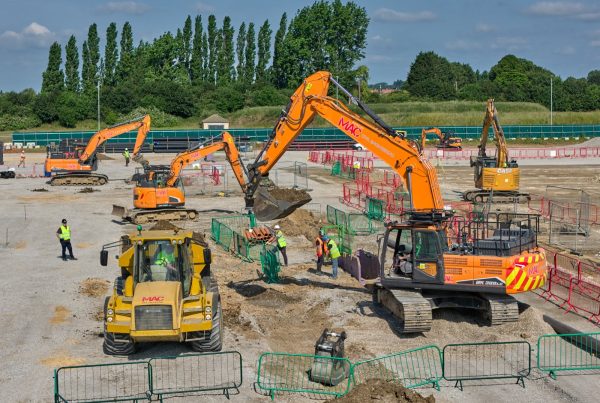
Installing permeable paving requires careful planning and execution to ensure its effectiveness. The process begins with a thorough site assessment to evaluate soil conditions, drainage patterns, and the specific needs of the area. It is crucial to choose the right type of permeable material based on the project’s requirements and the local climate.
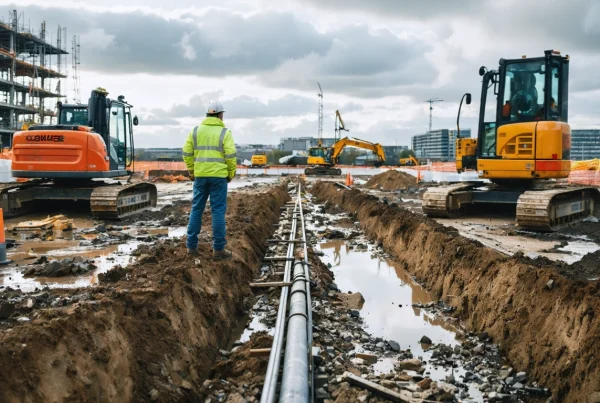
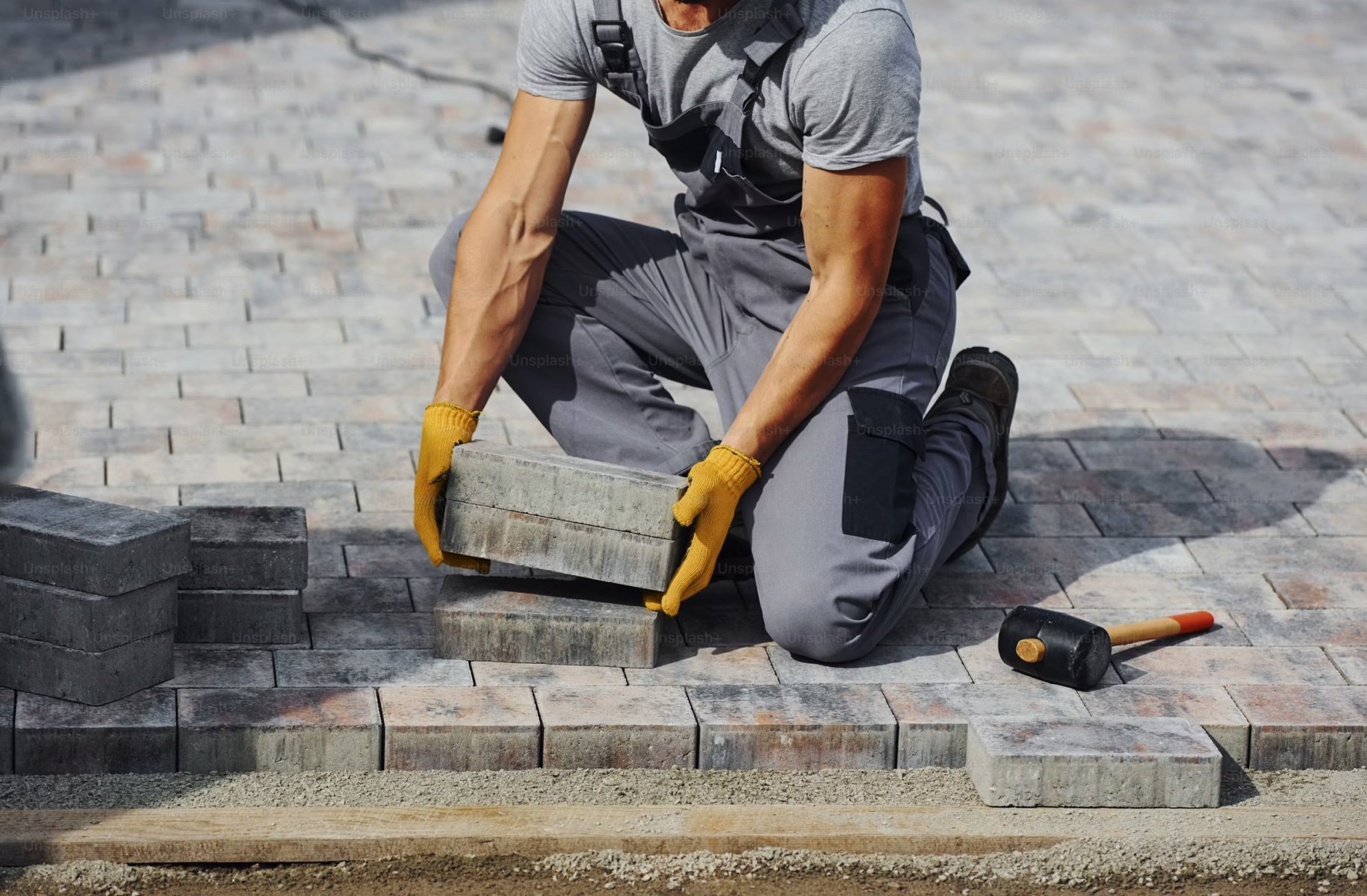
The installation typically involves excavating the existing surface and creating a stable base layer of crushed stone or gravel. This base provides structural support and facilitates water infiltration.The permeable paving material is then laid on top of this base. It’s important to compact the layers properly to ensure stability while maintaining permeability. In some cases, a geotextile fabric may be used between layers to enhance filtration and prevent the mixing of materials.
For larger commercial developments, this stage of the work is often handed to specialist contractors experienced in managing base preparation, jointing and compaction at scale. Specialists like MAC Group Ltd install these systems on commercial projects across the UK, and organisations planning a large installation may find it useful to look into MAC Group’s permeable paving services, which cover site assessment through to installation and compaction.
Proper maintenance is vital to the long-term performance of permeable paving. Regular cleaning to remove debris and sediments ensures that the pores remain unclogged, allowing water to pass through effectively. Depending on the type of permeable paving used, occasional resealing or joint replenishment may be necesary to maintain its integrity and functionality.
Considerations for Permeable Paving Projects
While permeable paving offers numerous benefits, there are considerations to keep in mind before embarking on such a project. The initial cost of permeable paving can be higher than traditional paving due to the specialised materials and installation techniques required.however, the long-term benefits, such as reduced stormwater management costs and increased property value, often outweigh the initial investment.
Climate and soil conditions also play a significant role in the success of permeable paving. In regions with heavy clay soils or areas prone to freezing and thawing cycles, additional design considerations may be necessary to ensure proper drainage and prevent damage. Consulting with a landscape architect or civil engineer experienced in permeable paving can help navigate these challenges and optimise the design for local conditions.
Embracing Sustainable Solutions
Environmental benefits and installation considerations make it an attractive option for those looking to enhance sustainability in their projects. By effectively managing stormwater, reducing urban heat and improving water quality, permeable paving provides a holistic approach to environmental stewardship. While the initial investment may be higher, the long-term benefits for both the environment and property owners are ample. As urban areas continue to grow and climate challenges persist, adopting such innovative solutions is not only wise but necessary for a sustainable future.
Permeable paving has gained significant traction as a sustainable choice in landscape architecture and urban advancement, especially in our increasingly eco-conscious society. Unlike traditional paving methods, which often act as impervious barriers, permeable paving allows water to permeate its surface and naturally infiltrate the ground beneath. This innovative approach not only helps manage stormwater runoff but also addresses erosion and mitigates the urban heat island effect. In this article, we will explore the numerous environmental benefits of permeable paving and provide insights into its installation, making a case for why it could be an excellent choice for your next project.
At its core, permeable paving is designed to facilitate the natural passage of water through its surface, mimicking the way water would interact with the natural ground. Unlike conventional concrete or asphalt, which prevent water from soaking into the soil, permeable paving uses materials like porous asphalt, pervious concreteand permeable interlocking pavers. These materials are layered over a bed of stone aggregate, which not only provides structural support but also offers temporary storage for water, allowing it to gradually seep into the underlying soil.The environmental advantages of permeable paving are both numerous and substantial. first and foremost, it offers an effective solution for managing stormwater. Traditional pavements often contribute to excessive runoff, which can overwhelm drainage systems and lead to flooding and also carry pollutants into nearby water bodies. Permeable paving mitigates these issues by allowing water to seep through, thus recharging groundwater supplies and easing the load on stormwater management systems.
Another significant benefit is its role in combating the urban heat island effect. Conventional pavements tend to absorb and retain heat, leading to higher temperatures in urban settings. In contrast, permeable paving helps cool the environment by facilitating water evaporation, which reduces surface temperatures. This cooling effect can make urban areas more comfortable and decrease reliance on air conditioning, consequently lowering energy consumption and greenhouse gas emissions.
Moreover, permeable paving enhances water quality. As water filters through the permeable surface, it removes pollutants such as oils, heavy metals and sediments, resulting in cleaner water reaching the soil and, ultimately, local water bodies.This natural filtration process is vital for protecting aquatic ecosystems and improving overall environmental health.
Installing permeable paving requires meticulous planning to ensure it performs effectively. The process begins with a thorough site evaluation to assess soil conditions, drainage patterns and specific project needs.Selecting the appropriate permeable material based on these factors and the local climate is crucial. Installation typically involves removing the existing surface, creating a stable base layer of crushed stone or gravel and then laying the permeable paving material on top. Proper compaction of these layers is essential to maintain both stability and permeability. In some instances, geotextile fabric may be used between layers to enhance filtration and prevent material mixing.
Maintenance plays a critical role in the longevity of permeable paving. Regular cleaning to remove debris and sediments is necessary to keep the pores unclogged and ensure effective water passage. Depending on the type of material used,periodic resealing or joint replenishment may also be required to maintain its integrity and functionality.
Despite its numerous benefits,there are several considerations to bear in mind before opting for permeable paving.The initial cost can be higher than traditional paving due to the specialised materials and techniques involved. However, the long-term advantages, such as reduced stormwater management expenses and increased property value, often justify this initial investment. Additionally, climate and soil conditions substantially impact the success of permeable paving. In areas with heavy clay soils or regions susceptible to freeze-thaw cycles, additional design considerations might potentially be necessary to ensure proper drainage and prevent damage. Consulting with a landscape architect or civil engineer experienced in permeable paving can definitely help address these challenges and optimize the design for local conditions.
The environmental benefits and installation considerations make permeable paving an appealing choice for anyone looking to enhance sustainability in their projects. By efficiently managing stormwater, reducing urban heatand improving water quality, permeable paving offers a comprehensive approach to environmental stewardship. while the upfront investment may be higher, the long-term benefits for both the environment and property owners are substantial. As urban areas continue to expand and climate challenges persist, embracing such innovative solutions is not only prudent but essential for a sustainable future.