
Ever wondered why some pavements endure while others crumble? In the UK, paving isn’t just about laying stones.It’s a blend of art and science. It involves careful planning, skilled craftsmanshipand the right materials.
Paving impacts daily life, from the paths we stroll on to the driveways we park in. Understanding its craft ensures durability and beauty in public and private spaces. Let’s explore what makes UK paving both an art and a science.

The History of UK Paving
The history of paving in the UK dates back to Roman times. The Romans built roads using flat stones and gravel. These roads connected major cities and facilitated trade and military movements.Their techniques laid the groundwork for modern paving methods.
The medieval period saw cobbled streets emerge. Craftsmen used rounded stones to create durable paths. These cobbles provided traction for horses and carriages. Many towns still boast these charming,historic surfaces.
During the industrial Revolution, paving evolved.Engineers introduced new materials like asphalt and concrete. these materials offered smoother surfaces for the increasing number of vehicles. This period marked a shift towards more efficient paving techniques.
In the 20th century, paving standards improved. Local councils established guidelines to ensure safety and durability. They considered factors like drainage and load-bearing capacity. This focus on quality continues to influence paving projects today.For a practical tip, consider using permeable pavers in your garden. They allow water to drain through, reducing flooding risks. This choice blends aesthetic appeal with environmental benefits,reflecting the UK’s innovative paving approach.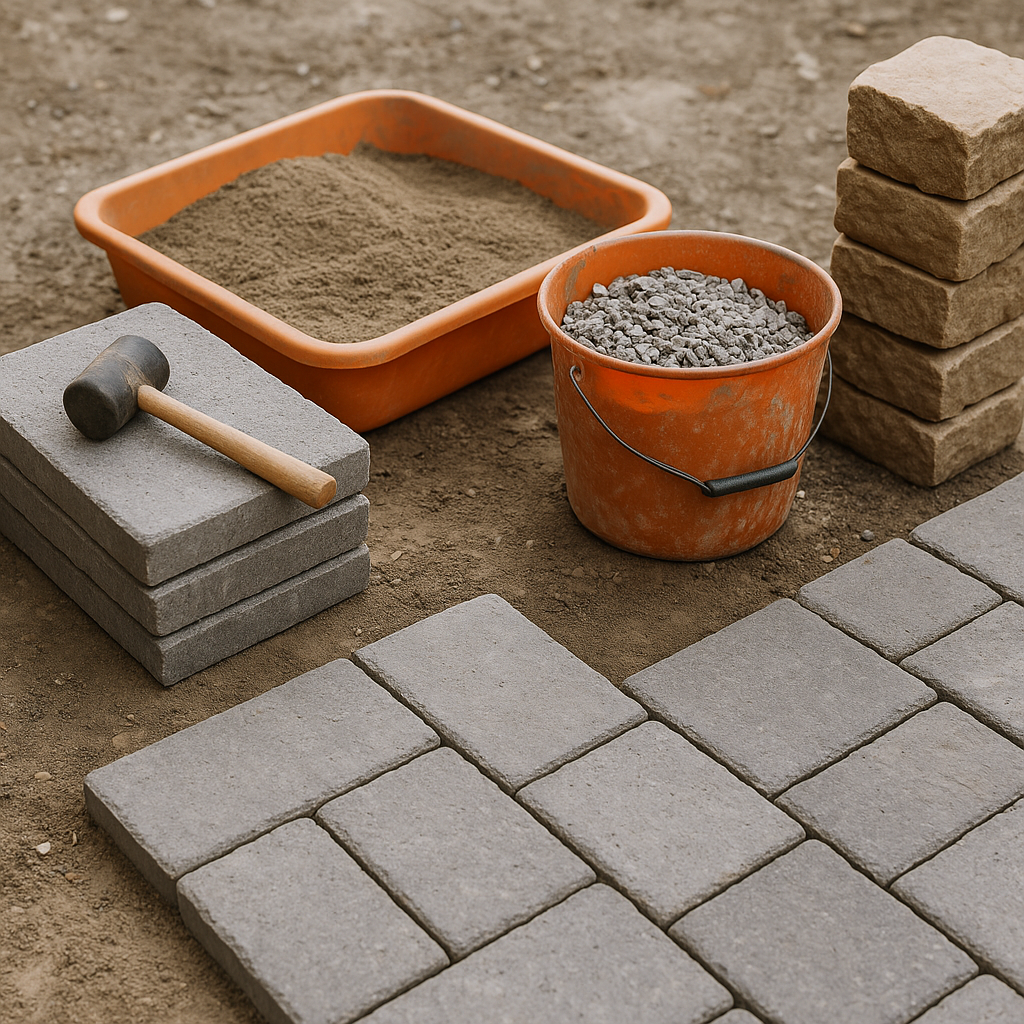
Essential Materials for Long-Lasting Pathways
Choosing the right materials is crucial for creating long-lasting pathways. Start with a strong foundation. Use compacted layers of crushed stone or gravel. This base supports the weight and helps with drainage.
Concrete offers durability and versatility. it suits various designs and can be textured or coloured. Consider using reinforced concrete for high-traffic areas. Reinforcement prevents cracking and extends the lifespan of your pathway.
Stone paving provides timeless appeal. Opt for granite or sandstone for their strength and beauty. These natural stones withstand weathering and add elegance to any space. Seal them to protect against stains and moisture damage.
Brick is another popular choice. It brings a classic look and excellent durability. Ensure proper installation with tight joints and good drainage. this prevents bricks from shifting or cracking over time.
think about maintenance. Regular cleaning and sealing keep pathways looking their best. For example, power wash surfaces annually to remove dirt and algae. This simple step helps maintain the pathway’s appearance and integrity.
Traditional Versus Modern Paving Techniques
Traditional paving techniques, like cobblestones, involve skilled craftsmanship. Workers carefully lay each stone by hand. This method demands time and patience, yet results in a charming, durable surface. Many historic UK towns still feature these enduring paths.
In contrast, modern techniques focus on efficiency and cost-effectiveness. Machines lay asphalt quickly over large areas, reducing labor and time. Despite its speed, this method offers smooth, reliable surfaces ideal for busy roads.
Recent innovations include permeable paving solutions. These allow rainwater to seep through, reducing surface water and flood risk. This environmentally friendly approach suits both urban and rural areas,reflecting modern enduring practices.
Concrete paving combines traditional and modern benefits.With options for texture and color, it adapts to various settings. Reinforced concrete ensures durability, making it suitable for heavy traffic areas like city centres.
When choosing a paving method, consider your needs. For a rustic garden path, opt for traditional stones. For a driveway, consider modern materials like asphalt or reinforced concrete. This choice balances aesthetics,functionality,and sustainability.
Environmental Considerations in Paving
When paving, consider environmental impacts. Using eco-friendly materials helps reduce carbon footprints. For example, recycled asphalt is a sustainable choice. This material repurposes old asphalt, lessening waste and conserving resources. The UK embraces such practices for greener construction.
Permeable paving solutions are gaining popularity. These surfaces allow rainwater to pass through,reducing surface water and flood risks. this method supports urban drainage systems, preventing overflow and waterlogging. It’s a smart choice for areas prone to heavy rainfall.
Native plants can enhance paved areas. Planting hardy, local species alongside pathways boosts biodiversity. These plants require less water and maintenance. They provide natural beauty and support local wildlife, creating a thriving ecosystem.
Consider using solar-powered lighting for pathways. these lights charge during the day and illuminate paths at night. They reduce electricity usage and enhance safety. This environmentally friendly option suits both residential and public spaces.
Maintenance plays a crucial role in sustainable paving. Regular cleaning prevents weed growth and surface degradation.Using biodegradable cleaning agents protects local water sources. Simple actions like these ensure pathways remain both beautiful and environmentally responsible.
The Role of Skilled Craftsmanship in Paving
Skilled craftsmanship transforms paving from a simple task into an art form. Craftspeople meticulously select and arrange materials, ensuring each piece fits perfectly. This attention to detail creates pathways that stand the test of time.
Experienced workers understand the properties of different materials.They know how to match stones, bricksor concrete to their surroundings. This expertise enhances both the functionality and aesthetics of the finished product.
Craftspeople use traditional techniques to lay cobblestones.This method requires patience and precision. Each stone must align correctly to create a smooth, durable surface. Such skill ensures the pathway endures heavy foot traffic.
Modern paving also relies on skilled labour. Workers operate machinery with precision, ensuring even surfaces. They manage materials efficiently to reduce waste. This expertise contributes to the overall quality of the paving project.
For a practical tip, hire a reputable paving contractor. Look for those with a proven track record in craftsmanship. Their expertise can significantly impact the durability and appearance of your pathways.
Future Trends in UK Paving
Emerging technologies are reshaping paving methods. Drones now survey sites, providing detailed maps. These maps guide precise material placement, improving efficiency. Such advancements reduce costs and waste, benefiting both contractors and clients.
Sustainable materials are gaining traction. Researchers develop new eco-friendly composites from recycled waste.These materials offer durability while reducing environmental impact. They represent a significant step towards greener construction practices across the UK.
Smart paving solutions are on the rise. Some pathways now incorporate sensors. These sensors monitor traffic and weather conditions, sending data to local councils. This facts helps optimise maintenance schedules and improve safety.
3D printing technology is beginning to influence paving. It allows for custom designs and rapid production of paving elements.This innovation offers unique aesthetic possibilities and reduces production time significantly.
For a practical tip, consider using LED lights embedded in pathways. These lights enhance visibility and safety during dark evenings. They also consume less energy than traditional lighting, aligning with sustainable goals.
Concluding Remarks
Paving in the UK blends art and science to create durable, beautiful paths. It’s a craft that requires skilled hands and thoughtful design. The right materials,like stone or brick,ensure longevity and charm. each choice impacts the landscape, marrying function with aesthetics.
For your next project, consider local materials that suit the habitat. This not only supports sustainability but also enhances the natural beauty of the area. A well-crafted path can transform a space, providing both utility and enjoyment.


