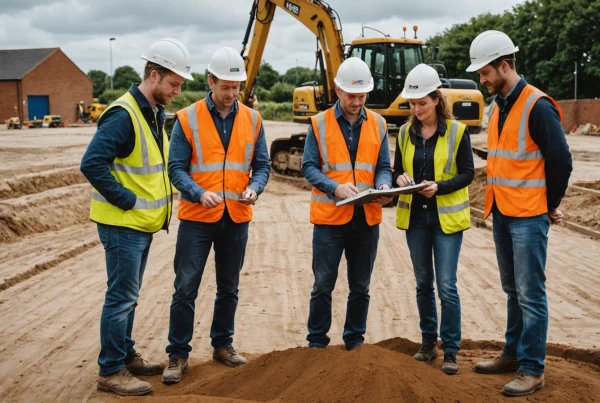
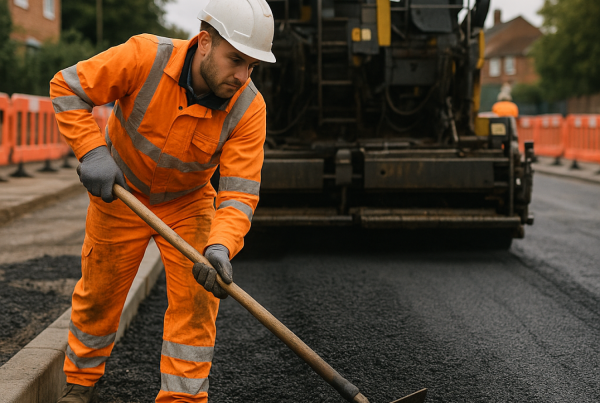
Ever wondered how the paths we tread are transforming beneath our feet? from cobbled streets to smart pavements, UK civil engineering is revolutionising the way we pave our roads and walkways.
These innovations aren’t just about aesthetics; they promise safer, more sustainableand efficient travel.Understanding these changes could benefit everyone, from local councils to everyday commuters navigating the urban landscape.

Emerging Trends in Paving Technology
Permeable paving is gaining popularity. It allows water to pass through, reducing surface runoff. This technology helps prevent flooding in urban areas. Councils appreciate its environmental benefits and cost-effectiveness for stormwater management.
Solar roads are another exciting progress. They integrate solar panels into the pavement. These panels generate electricity, powering streetlights and traffic signals. This innovation supports the UK’s shift towards renewable energy sources.
Recycled materials are transforming paving practices. Engineers use rubber from old tyres and crushed concrete to create durable surfaces. This approach reduces waste and lowers construction costs, making it both eco-friendly and economical.
Smart pavements enhance pedestrian safety. Embedded sensors detect foot traffic and environmental conditions.They can alert authorities to potential hazards, like icy paths. This technology ensures safer public spaces in all whether conditions.
Modular paving offers versatility and speed in construction. pre-fabricated units fit together like a puzzle, allowing quick installation and easy repairs. This method minimises disruption and maintains accessibility during roadworks.

Sustainable Materials in Modern Paving
Sustainable materials are transforming modern paving methods. Engineers now favour materials that reduce environmental impact. As a notable example, they use permeable concrete to enhance drainage and prevent urban flooding. This method not only supports sustainable practices but also lowers maintenance costs.
Recycled rubber from tyres finds new life in paving projects. It provides a durable and flexible surface, reducing the need for frequent repairs. In the UK, this approach helps decrease landfill waste while ensuring robust pathways for pedestrians and vehicles alike.
Engineers are also exploring the use of biocomposites. These materials combine natural fibres with conventional components, offering strength and sustainability. They reduce reliance on non-renewable resources and integrate seamlessly into existing infrastructure, promoting eco-friendly development.
Local councils in the UK are investing in these sustainable options. They see the long-term benefits of reduced maintenance and environmental impact. Paving with sustainable materials contributes to greener, more resilient urban landscapes.
For those considering sustainable paving, consider the local climate and traffic conditions. Choosing the right materials can enhance durability and performance. Thoughtful selection ensures that pathways remain functional and environmentally friendly for years to come.

Innovative Design Approaches for Pathways
Innovative design approaches are reshaping pathways across the UK. Engineers now incorporate interactive elements to improve user experience. These designs ensure pathways are not only functional but also engaging for pedestrians.
Integrating technology into pathways enhances accessibility. As an example, tactile paving guides visually impaired individuals safely. This simple yet effective design improves navigation and fosters inclusivity in urban areas.
Color and texture variations in pathways offer practical benefits. Contrasting colours highlight different zones, aiding navigation. Textured surfaces provide grip, reducing slip risks. These features contribute to safer and more user-friendly environments.
Designers use natural materials to blend pathways with surroundings. Local stone and wood create an organic look,enhancing aesthetic appeal. This approach harmonises urban spaces with nature,offering a more pleasant walking experience.
Planners consider community needs when designing pathways. Consulting with local residents ensures designs meet practical requirements. This collaboration results in pathways that serve everyone effectively, reflecting local character and needs.
The Role of Technology in Paving Projects
Technology plays a crucial role in modern paving projects. Engineers use advanced software to plan and design pathways. This technology ensures precise measurements and efficient material use, reducing waste and costs.
Drones assist in surveying large areas quickly. They provide accurate topographical data, helping planners make informed decisions. This method speeds up project timelines and enhances accuracy, ensuring high-quality results.3D printing is revolutionising paving.It allows for intricate designs and custom solutions. Engineers can create durable components with less material, offering sustainable and cost-effective options for urban development.
Augmented reality (AR) aids in visualising projects before construction begins.Stakeholders can see a virtual model of the pathway. This tool helps identify potential issues early, saving time and resources.
Data analytics improve maintenance planning. Sensors embedded in pavements collect information on usage and wear. Councils can schedule repairs proactively, extending the lifespan of pathways and enhancing public safety.
Challenges in Urban Pathway Construction
Urban pathway construction in the UK faces numerous challenges. One significant issue is dealing with existing underground utilities. Builders must carefully navigate these to prevent damage, which can cause costly delays.
Another challenge is ensuring accessibility for all users. Engineers must design pathways that accommodate wheelchairs and pushchairs. This requires thoughtful planning and frequently enough involves retrofitting older paths to meet modern standards.
Weather conditions in the UK also pose problems. Frequent rain can disrupt construction schedules. Engineers must plan for potential delays and choose materials suited for wet climates to ensure longevity.
Budget constraints frequently enough limit project scope. Councils must balance cost with quality, ensuring projects remain within financial limits. This can result in compromises, affecting the final design and material choice.
maintaining pathways during construction is crucial. Builders must minimise disruption,ensuring public access remains safe and efficient. Temporary signage and barriers help guide pedestrians and maintain order.
Future Prospects for UK Paving Techniques
UK paving techniques continue to evolve, offering promising future prospects. One key area is the integration of smart technology. Engineers are developing pavements that can communicate with vehicles, enhancing traffic management. This innovation could reduce congestion and improve road safety.
Another promising development is the increased use of sustainable materials. Engineers are experimenting with new composites, reducing reliance on traditional asphalt. for example, using hemp-based materials can lower carbon footprints and offer durable surfaces.
Local councils are considering modular paving systems for quick repairs. These systems allow damaged sections to be replaced swiftly, minimising disruption. Councils can maintain pathways without lengthy closures, improving public satisfaction.
Collaboration with technology companies could drive future advances. By partnering with tech firms, councils can implement the latest innovations in paving. This approach ensures pathways remain cutting-edge and efficient.
investing in training for engineers will be crucial. As techniques advance,skilled workers are needed to implement them effectively. Continuous education ensures the workforce can adapt to new methods, sustaining progress in UK paving.
Final Thoughts
Innovative paving is reshaping the UK’s pathways. Engineers are using cutting-edge techniques to create more sustainable and durable surfaces. These advancements promise a better future for our roads and walkways.
To make the moast of these innovations, councils and developers should consider integrating these techniques in upcoming projects. It could save costs and improve infrastructure quality.