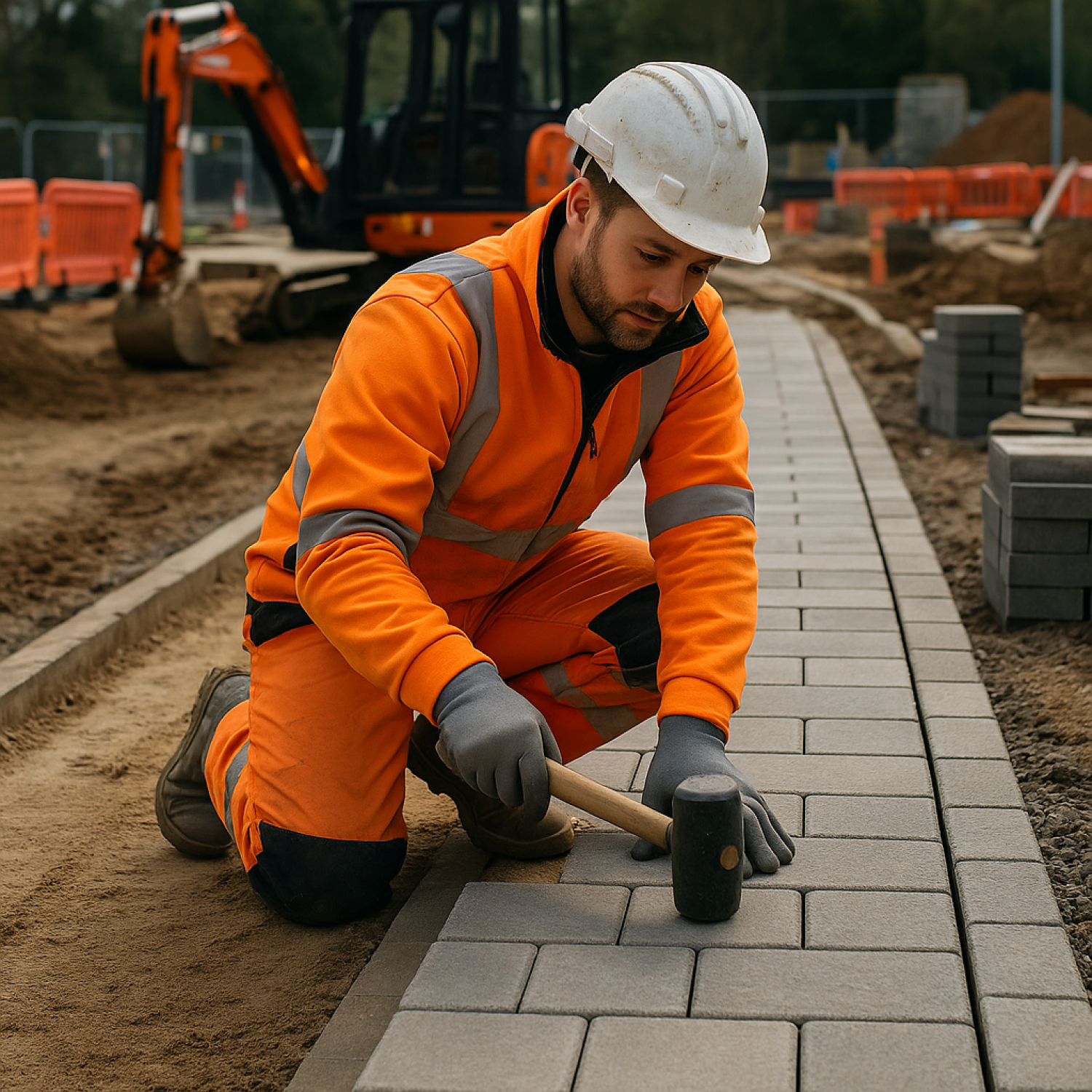
have you ever walked down a cobblestone street and marvelled at its timeless charm? Paving isn’t just about laying stones; it’s about crafting pathways that tell stories and connect communities throughout Britain.
Understanding the art of paving can transform your surroundings and enhance the beauty of your surroundings. By mastering this skill,you can contribute to preserving the unique character of Britain’s landscape while creating spaces that endure for generations.
Understanding the History of British Paving
The history of paving in Britain stretches back centuries. Romans introduced the first pavements, setting a foundation for future developments. They built roads with layers of stone, sandand gravel, creating durable surfaces for travel.
Medieval towns saw the rise of cobblestone streets. Craftsmen laid these stones by hand, creating charming and practical pathways. These streets became central to community life, hosting markets and local gatherings.
During the 19th century, the Industrial Revolution brought new materials. Engineers began using asphalt and concrete, improving road quality and accessibility. This period marked a shift towards modern paving techniques still used today.
Paving today combines conventional methods with modern innovations. You can choose materials like reclaimed stone to maintain historical character. This approach preserves the aesthetic while offering durability and functionality.
When planning your paving project, consider the local environment. Use materials that reflect the region’s natural beauty. This choice not only enhances your space but also respects Britain’s diverse landscapes.
Choosing the Right Materials for Your Project
Start with assessing your project’s needs. consider the area’s purpose and traffic.For a garden path, choose permeable materials like gravel or sandstone. They allow water drainage, reducing the risk of flooding.
Select materials that suit the local climate. In wetter regions, opt for non-slip surfaces such as textured concrete or brick. These materials provide better grip, ensuring safety during rainy seasons. Always prioritise functionality alongside aesthetics.
Think about the visual impact. Natural stone offers a classic look, blending with traditional british architecture. For a more contemporary style, consider sleek slate or granite. These options provide a modern edge while maintaining elegance.
When sourcing materials, consider sustainability. Reclaimed or locally sourced stone reduces environmental impact and supports local businesses. This choice promotes responsible practices and preserves the landscape’s integrity.
Plan for the future. Choose durable materials that withstand time and usage. Investing in quality now saves on repairs later. Consider professional consultation for expert advice tailored to your specific project and location.
Exploring Traditional and Contemporary Paving Styles
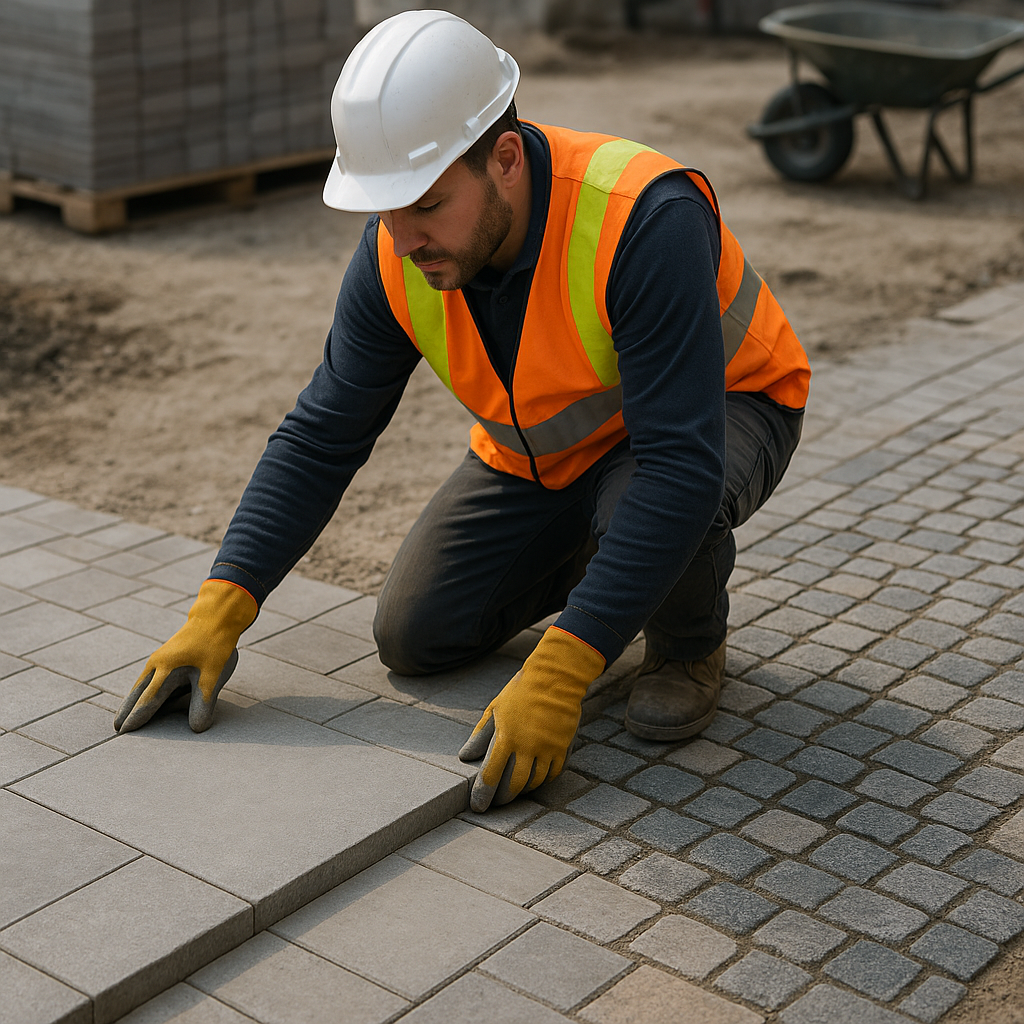
traditional paving styles like cobblestones offer timeless appeal. Craftsmen laid them by hand, creating durable and charming pathways. Today, you can use these techniques to add character to modern spaces. Try mixing sizes for a unique effect.
Modern paving styles often feature clean lines and minimalist designs. Materials like concrete and slate offer sleek surfaces. These can complement contemporary architecture, adding a polished look to urban gardens and driveways.
Combining old and new styles can create striking contrasts. Pair traditional materials like brick with modern elements like metal edging. This approach respects history while embracing innovation, resulting in a unique and cohesive design.
Consider the setting when selecting your paving style. In rural areas, natural stone blends well with the surroundings. In urban environments, geometric patterns using concrete or brick add a modern touch.
Experiment with patterns to personalise your space. Herringbone or basketweave designs add visual interest and texture. These patterns work well with both traditional and contemporary materials, offering versatility in any paving project.
Step-by-Step Guide to Laying Paving
Prepare the ground before you start laying any materials. Clear the area of debris and vegetation. Ensure the surface is level. Use a spade to dig out a base. This foundation is crucial for stability.
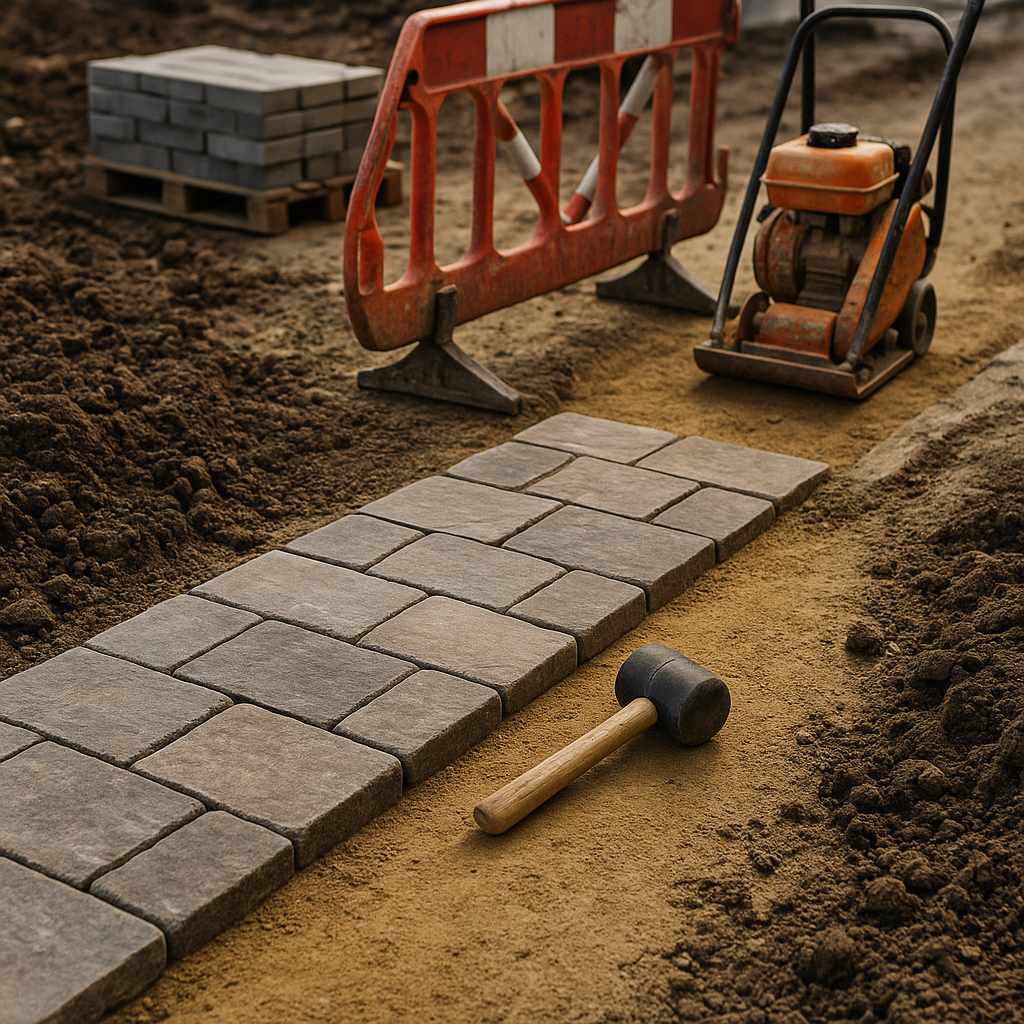
Lay a sub-base using crushed stone or hardcore. Spread it evenly across the area. Compact it with a plate compactor. This step prevents sinking and provides a solid foundation for your paving.
Next, create a bedding layer. Use sharp sand and spread it over the sub-base. Aim for a consistent thickness. Level it using a screed board. This layer helps achieve an even surface for laying stones.
Begin laying the paving stones.Start from one corner and work outwards.use a rubber mallet to tap stones into place. Leave small gaps between them for expansion and drainage. Check alignment regularly.
Once all stones are in place, fill the gaps with jointing sand. Sweep it across the surface to ensure it fills the joints. This step stabilises the stones and helps prevent weeds. Finish by compacting the entire area again.
Maintaining and Caring for Your Paved Surfaces
Regular maintenance keeps your paved surfaces looking their best. Start by sweeping them often to remove debris. This prevents dirt from settling and causing stains. A clean surface also enhances the overall appearance.
Inspect your paving regularly for any cracks or lose stones. Address these issues promptly to avoid further damage.Small repairs now can save you from costly fixes later. Use a sealant for added protection.
Weeds can invade the gaps between stones. Pull them out by hand or use a weed killer. this prevents them from weakening the surface. Keep the edges tidy to maintain a neat look.
In the winter, avoid using harsh chemicals to de-ice your paths. Opt for sand or grit. These provide traction without harming the paving materials. Protect your investment by choosing gentler alternatives.
Consider power washing annually. This removes stubborn grime and revives the surface. Use a low-pressure setting to prevent damage.Regular care ensures your paving remains attractive and durable for years to come.
Innovative Paving Designs Transforming Urban Areas
Urban areas are seeing a surge in creative paving designs. These designs aim to enhance functionality while improving aesthetics. As an example, permeable pavements allow water to pass through, reducing urban flooding risks.
Incorporating green spaces into paving designs is another trend. Integrating grass or low-maintenance plants between stones can soften hard surfaces. This approach not only beautifies but also promotes biodiversity in cities.
Colourful paving materials can enliven dull cityscapes. Using vibrant tiles or painted stones creates eye-catching patterns. This technique can define public spaces, making them more inviting for residents and visitors alike.
Interactive paving designs are gaining popularity too. Some cities use sensor-embedded pavements that light up when stepped on. These designs enhance safety and create engaging experiences for pedestrians, especially in busy areas.
Consider using recycled materials for your paving projects. Recycled concrete or rubber can reduce environmental impact. This sustainable choice aligns with urban initiatives aiming to decrease waste and promote eco-pleasant practices.
Wrapping up
Mastering the art of paving transforms more than just roads and walkways. It shapes communities and enhances environments. By focusing on quality and sustainability, paving experts can definitely help create spaces that everyone enjoys.
Consider using locally sourced materials for your next project. This choice not only supports local businesses but also reduces environmental impact. Together,we can pave a brighter future for Britain’s landscape.