Best Practices for Surface Water Drainage in Construction
Surface water drainage is a crucial aspect of construction that frequently enough goes unnoticed until problems arise. Properly managing water on a construction site can prevent a host of issues, from soil erosion to structural damage. Understanding and implementing the best practices for surface water drainage in construction can significantly enhance the longevity and safety of a project. This article will delve into these practices, offering insights into why they are essential and how they can be effectively applied on construction sites.
Understanding the Importance of Surface Water Drainage
The significance of surface water drainage in construction cannot be overstated. Water accumulation on construction sites can lead to delays,increased costs,and compromised safety. Effective drainage ensures that water is directed away from critical areas, protecting the integrity of the structures being built. It helps in maintaining soil stability, which is vital for the foundation of any construction project. Additionally, proper drainage systems help in preventing flooding and reducing environmental impacts on neighboring lands. By understanding the importance of surface water drainage, construction professionals can better plan and execute their projects, ensuring long-term sustainability and safety.
Planning and Design Considerations
Before breaking ground, it is imperative to incorporate surface water drainage into the planning and design phase of construction. This involves conducting a thorough site analysis to understand the natural water flow and identifying potential drainage issues. Engineers and architects should collaborate to design a system that effectively manages water runoff. This may include the installation of drains, gutters, and retention basins.Additionally, the choice of materials and construction techniques should be considered to enhance water drainage. Planning for drainage at the outset not only prevents future problems but also ensures compliance with local regulations and environmental standards.
Implementing Effective Drainage Systems
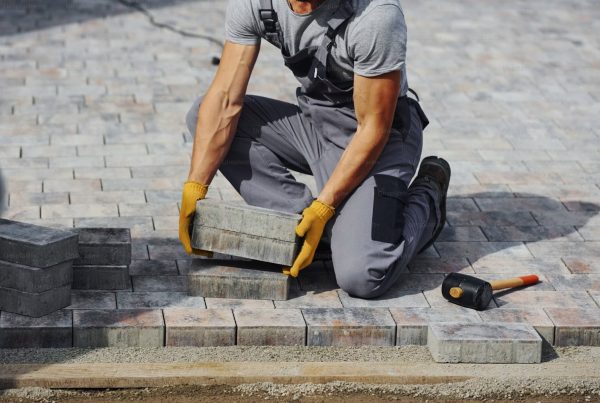
Implementing an effective surface water drainage system requires a combination of strategies and technologies. One of the best practices for surface water drainage in construction is the use of permeable surfaces, which allow water to seep through and be absorbed by the ground. This can significantly reduce runoff and decrease the risk of flooding. Additionally,the installation of swales and contouring the land to direct water flow can be highly effective. These methods work by channeling water to designated drainage areas, preventing it from pooling in unwanted locations.
Moreover, the use of advanced drainage systems, such as French drains or trench drains, can provide efficient water management. These systems are designed to collect and divert water away from critical areas,reducing the risk of water damage. It is also essential to regularly maintain these systems to ensure they continue to function effectively. This includes clearing debris from drains, inspecting pipes for blockagesand repairing any damage promptly.
Addressing Challenges and Solutions
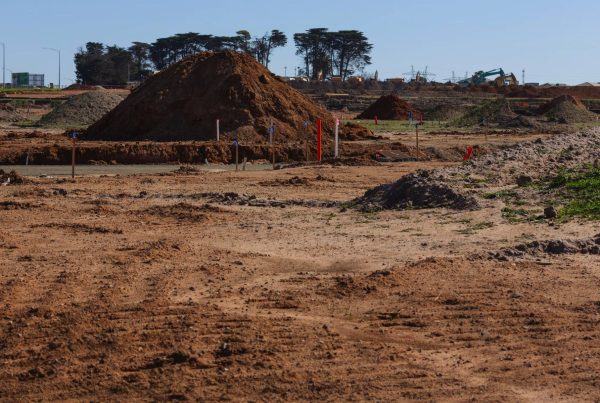
Despite careful planning and implementation, challenges in surface water drainage are inevitable. Construction sites are dynamic environmentsand changes in weather, site conditionsor construction activities can impact drainage effectiveness. One common challenge is soil erosion, which can be mitigated by using ground covers or erosion control blankets.These solutions help stabilize the soil and prevent it from being washed away by rainwater.
Another challenge is the potential for drainage systems to become clogged with debris or sediment. Regular inspection and maintenance are crucial to address this issue. Utilizing silt fencing and sediment traps can also help in managing sediment runoff. Moreover, adapting to unexpected weather changes by having contingency plans in place can be invaluable. This might include temporary drainage solutions or the use of pumps to manage excess water during heavy rainfall.
The Role of Technology in Surface Water Drainage
Advancements in technology have significantly influenced best practices for surface water drainage in construction. Modern software tools allow for precise modeling of water flow and drainage patterns, enabling engineers to design more efficient systems. These tools can simulate various weather conditions and assess the impact on drainage, allowing for better planning and risk management.
Additionally, smart sensors and monitoring systems can provide real-time data on water levels and system performance. This information can be used to make informed decisions and adjustments to drainage systems as needed. Embracing technology not only enhances the effectiveness of drainage solutions but also contributes to more lasting and resilient construction practices.
Conclusion: Ensuring Long-Term Success
the best practices for surface water drainage in construction are essential to the success and sustainability of any building project. By prioritizing effective drainage from the planning stages through to implementation and maintenance, construction professionals can prevent costly damage, ensure safety, and comply with environmental regulations. Understanding the challenges and leveraging technology are key components in creating robust drainage systems. With careful consideration and strategic planning, surface water drainage can be effectively managed, ensuring the long-term success and resilience of construction projects.
Surface water drainage is a fundamental yet often overlooked element of construction that plays a pivotal role in the overall success of a project. When not properly managed, water accumulation can lead to a myriad of issues, including soil erosion and structural damage, which can compromise the safety and integrity of the construction. By understanding and applying best practices for surface water drainage, construction professionals can enhance both the longevity and safety of their projects. This article explores these practices, highlighting their importance and offering guidance on their effective implementation.
The importance of surface water drainage in construction is undeniable. Accumulated water on construction sites can cause significant delays, escalate costsand pose safety risks. Effective drainage systems are designed to channel water away from critical areas, thereby preserving the structural integrity of the buildings being erected. Maintaining soil stability is crucial for the foundation of any construction project, and a well-planned drainage system is key to this. Additionally, proper drainage helps prevent flooding and minimizes environmental impacts on surrounding areas. By appreciating the critical role of surface water drainage, construction professionals can better plan their projects, ensuring they are sustainable and safe in the long run.
Before construction begins, it is essential to integrate surface water drainage considerations into the planning and design stages. This involves a extensive site analysis to understand natural water flow patterns and identify potential drainage challenges. Collaboration between engineers and architects is crucial to devise a system that efficiently handles water runoff. This could involve installing drains, guttersand retention basins. material selection and construction techniques also play a role in optimizing water drainage.Addressing drainage needs at the planning stage not only mitigates future issues but also ensures adherence to local regulations and environmental standards.
Implementing an effective surface water drainage system involves a blend of strategies and technologies. One effective practice is the use of permeable surfaces, which allow water to be absorbed by the ground, thereby reducing runoff and the risk of flooding.Techniques such as installing swales and contouring the land to guide water flow are also beneficial. These methods channel water to designated drainage areas, preventing unwanted pooling. advanced drainage solutions, like French drains or trench drains, offer efficient water management by collecting and diverting water away from key areas. Regular maintenance of these systems is critical to their effectiveness,involving tasks such as clearing debris from drains and inspecting for blockages.
Despite meticulous planning, challenges in surface water drainage are inevitable due to the dynamic nature of construction sites.Soil erosion is a common issue, which can be mitigated through ground covers or erosion control blankets that stabilize the soil and prevent it from being washed away. Drainage systems can also become clogged with debris or sediment, making regular inspections and maintenance essential.Implementing silt fencing and sediment traps can help manage sediment runoff.Additionally, being prepared for unexpected weather changes with contingency plans, such as temporary drainage solutions or pumps, can prove invaluable.
Technology has revolutionized surface water drainage practices in construction. Modern software tools enable precise modeling of water flow and drainage patterns, allowing engineers to design more efficient systems. These tools can simulate various weather conditions, aiding in better planning and risk management. Moreover, smart sensors and monitoring systems provide real-time data on water levels and system performance, facilitating informed decision-making and system adjustments. Embracing these technological advancements not only enhances the effectiveness of drainage solutions but also promotes sustainable and resilient construction practices.
adhering to best practices for surface water drainage in construction is vital for the success and sustainability of any building project. By prioritizing effective drainage from planning through to implementation and maintenance, construction professionals can prevent costly damages, ensure safetyand comply with environmental regulations. Understanding the challenges and leveraging technology are crucial components in developing robust drainage systems.With thoughtful consideration and strategic planning,surface water drainage can be effectively managed,ensuring the long-term success and resilience of construction projects.