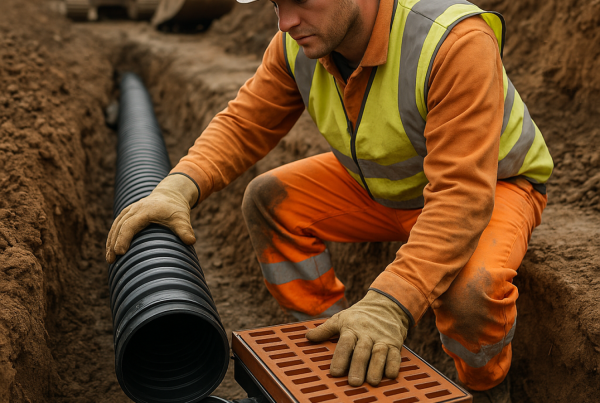
Have you ever watched rainwater pool on a road and wondered why it happens? poor drainage can lead too costly damage and safety hazards. Learning to master drainage solutions is crucial for civil engineers.
Effective drainage design keeps roads safe and buildings dry. It’s a skill that sets great engineers apart. Elevate your engineering expertise by mastering drainage solutions and make a lasting impact on infrastructure projects.

Understanding Drainage System Fundamentals
Understanding the fundamentals of drainage is essential for any civil engineer. It involves the study of how water moves across and through soil and structures. Engineers must consider factors like soil type, slopeand rainfall intensity. These elements influence drainage efficiency and effectiveness.
Proper site analysis is the frist step in designing an effective drainage system. Engineers must evaluate the terrain and identify potential water accumulation areas. This helps in planning where to direct water away from vulnerable spots. It’s vital to prevent erosion and protect structures.Incorporating natural features can enhance drainage designs. For instance, using swales can guide water flow naturally. These shallow channels are effective in managing rainwater, reducing the need for extensive artificial systems. They also blend well with the landscape, offering both function and aesthetics.
Material selection plays a crucial role in drainage solutions. Engineers often choose permeable surfaces to allow water to infiltrate the ground. This reduces surface runoff and helps replenish groundwater supplies. Using materials like gravel or porous concrete can be beneficial in managing excess water.
Regular maintenance ensures drainage systems function optimally. Engineers should plan for inspections and cleaning to remove blockages. This prevents overflow and potential damage. By maintaining systems, engineers ensure long-lasting infrastructure performance.
Exploring Innovative Drainage Materials
Innovative materials are transforming drainage solutions in civil engineering. Engineers now use geotextiles to improve drainage efficiency. These synthetic fabrics prevent soil clogging and enhance water flow. They offer durability and are easy to install.
Permeable pavements are increasingly popular for managing rainwater. They allow water to seep through, reducing surface runoff. This helps prevent flooding and replenishes groundwater. Use them in car parks or pedestrian areas for effective results.Recycled materials offer sustainable drainage options. For example, crushed concrete can replace customary aggregates. This not only reduces waste but also provides a cost-effective solution. Engineers can incorporate these materials into various projects.
Bio-retention systems are another innovative approach. They use plants and soil to filter and absorb rainwater. These systems improve water quality and support biodiversity. Consider them in urban areas to manage stormwater naturally.
engineers should explore modular systems for flexibility. These pre-fabricated units can adapt to different sites. Use them to address specific drainage challenges quickly. They save time and simplify installations, making them an excellent choice for modern projects.
site Assessment and Planning Techniques
Conducting a thorough site assessment is crucial for effective drainage planning. Engineers must evaluate the topography and soil conditions. This helps in identifying potential water flow paths and accumulation areas. Accurate site data supports informed decision-making.
Understanding local climate patterns is essential. Engineers should consider seasonal rainfall variations and storm intensity. This knowledge aids in designing systems that can handle peak water loads.It also ensures resilience against extreme weather events.
Collaboration with environmental experts can enhance planning. They offer insights into ecological impacts and sustainability.Working together helps balance technical needs with environmental considerations. This approach promotes harmonious integration with the natural landscape.
Hydraulic modelling tools are invaluable in drainage planning. They allow engineers to simulate water flow and system performance. Using these tools, engineers can test different scenarios and optimise designs. This results in more reliable and efficient drainage solutions.
engaging with local communities is beneficial. They provide valuable feedback on existing issues and potential improvements. Involving them in the planning process fosters trust and cooperation. It also ensures that the solutions meet real-world needs effectively.
Sustainable Drainage System Implementation
Sustainable drainage systems (SuDS) are vital for modern infrastructure.They manage water naturally, reducing flood risks and improving water quality.Engineers should integrate these systems into urban and rural projects alike for maximum impact.
Green roofs are a practical example of SuDS. These roofs absorb rainwater and provide insulation.They reduce runoff and lower building energy use. Implement them in urban settings to enhance sustainability and eco-friendliness.
engineers can also employ rain gardens. These shallow, planted areas capture and filter rainwater. They prevent pollutants from reaching waterways and support local wildlife. Consider them in residential areas for effective and attractive drainage solutions.
Permeable surfaces are essential for sustainable drainage. They allow water to infiltrate the ground, reducing surface water. Use materials like porous asphalt in car parks to minimise flooding risks and support groundwater recharge.
Maintenance is crucial for SuDS success. Regular checks ensure systems remain effective. Engineers should schedule inspections to clear debris and assess plant health. This proactive approach maintains efficiency and extends system longevity.
Maintenance Strategies for Long-Lasting Systems
Routine inspection is key to maintaining long-lasting systems. Schedule regular checks to identify and address potential issues early. Look for blockages,erosion,or sediment build-up. These simple steps help prevent major problems down the line.
Establish a clear maintenance plan. Document all inspection results and repair activities. this record-keeping supports continuity and ensures accountability. A well-organised plan aids in budgeting for future upkeep and resource allocation.
Train staff on proper maintenance techniques. Educated personnel can spot issues quickly and respond effectively. This proactive approach minimises downtime and extends the lifespan of the infrastructure. Encourage ongoing learning to keep skills sharp.
Use technology to enhance maintenance efforts. Drones can inspect hard-to-reach areas,providing real-time data. Sensors can monitor water levels and flow rates. These tools offer valuable insights, allowing for timely interventions and informed decisions.
foster a culture of regular interaction among team members. Share findings and solutions to common problems. this collaborative habitat encourages innovation and continuous improvement. By working together, teams can ensure efficient and effective system maintenance.
Overcoming Common Drainage Challenges
addressing drainage challenges requires innovative thinking and practical solutions. One common issue is soil erosion, which can undermine structures. Engineers can use vegetation and geotextiles to stabilise slopes and prevent erosion effectively.
Another challenge is managing high water tables, which can lead to flooding. Engineers should consider installing sub-surface drainage systems. These systems collect and redirect excess water away from critical areas, safeguarding infrastructure.
Urban areas frequently enough face drainage difficulties due to impermeable surfaces. Permeable pavements offer a practical solution. By allowing water to infiltrate the ground, they reduce surface runoff and lower flood risks. consider using them in city projects.
Maintenance is crucial in overcoming drainage obstacles. Regular inspections can identify potential blockages or wear and tear. Prompt action can prevent minor issues from escalating into major problems.this ensures continued system effectiveness and reliability.
Collaboration with diverse experts can also address complex challenges. Engineers should work with environmental scientists and urban planners. This team effort encourages holistic solutions that balance technical needs with environmental considerations.
To wrap It Up
improving your drainage skills can considerably enhance your civil engineering projects. Effective drainage ensures stability and longevity, preventing costly repairs. Keep learning and experimenting. Next time it rains, observe how water moves and think about improvements.