Picture a typical rainy day in London, with water pooling around yoru feet as you dodge puddles. Ever wondered why some cities flood while others stay dry? the secret lies beneath our streets.
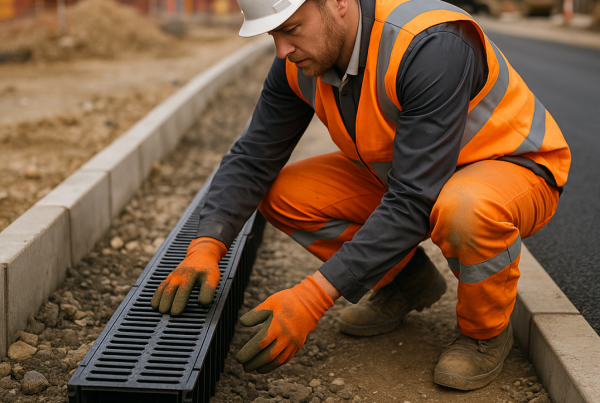
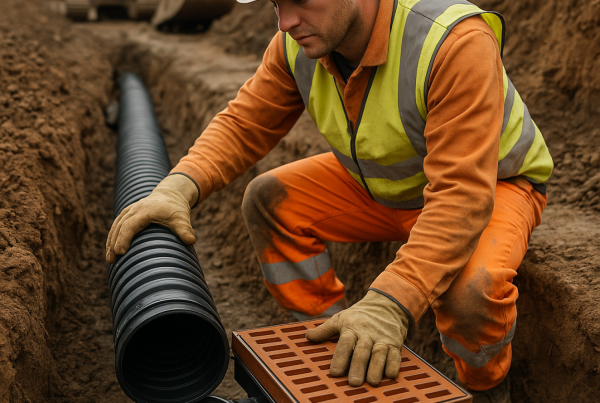
Effective drainage systems are crucial for urban living. They prevent flooding, protect infrastructureand keep our cities moving. Discover how innovative solutions are transforming UK cities and why they matter to our daily lives.

Understanding Urban Drainage Challenges
Urban areas face unique drainage challenges. Rapid progress and dense populations increase surface run-off. Concrete and asphalt replace natural absorbent ground. Rainwater has nowhere to go. This creates a high risk of flooding during heavy rains.
Cities like Manchester have tackled these issues with green infrastructure. Green roofs and permeable pavements allow rainwater to soak into the ground naturally. They reduce pressure on traditional drainage systems and help prevent localised flooding.
Public awareness plays a crucial role in managing urban water flow. Residents can help by clearing leaves from drains near their homes. This simple action can prevent blockages and reduce flooding risk in their neighbourhoods.
Climate change further complicates urban drainage. Heavier, more frequent storms challenge existing systems.Cities must adapt by upgrading infrastructure and implementing sustainable practices. This proactive approach helps protect homes and businesses from flood damage.
Innovative drainage solutions also provide environmental benefits. By managing water sustainably, cities reduce pollution in waterways.Cleaner rivers and streams support local wildlife and improve urban quality of life. As cities grow, these solutions become increasingly vital.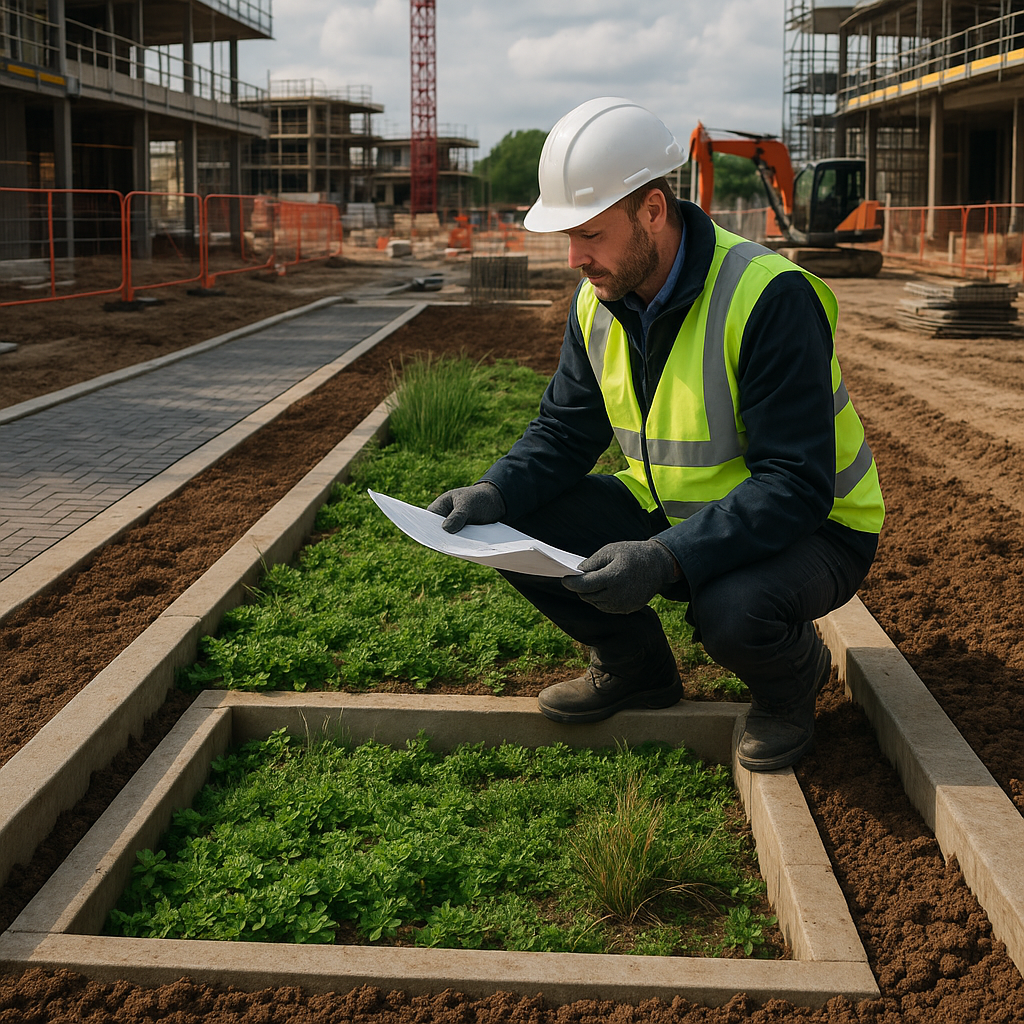
Exploring Green Infrastructure solutions
Green infrastructure solutions focus on integrating nature into urban environments. by using natural processes, cities manage water more effectively. As an example, bioswales are shallow channels filled with plants that capture and filter rainwater. These features enhance drainage and beautify urban spaces.
Sheffield has embraced rain gardens to address water management. Rain gardens are planted depressions that absorb rainwater runoff from roofs and pavements.They reduce flood risk and support local biodiversity. Residents can create their own rain gardens by choosing native plants.
Permeable pavements are another effective solution. They allow water to seep through surfaces,reducing runoff and recharging groundwater. Many UK cities now incorporate these pavements in public spaces and car parks. They help manage stormwater and extend the life of traditional drainage systems.
Tree planting in urban areas offers multiple benefits. Trees intercept rainwater and improve soil absorption. They also provide shade and improve air quality. encourage community tree planting initiatives to enhance local drainage and create greener neighbourhoods.
Water-sensitive urban design integrates multiple strategies. It uses features like green roofs, rain barrels, and wetlands to manage water sustainably. These solutions not only alleviate flooding but also create healthier urban environments. They are essential for resilient and vibrant cities.

Embracing Permeable Surfaces in Cities
Permeable surfaces offer a practical solution for urban drainage issues. By allowing water to seep through, they reduce surface runoff. Cities like Birmingham have introduced permeable pavements in public areas, enhancing water absorption and reducing flood risk.
These surfaces include permeable concrete and porous asphalt. They enable rainwater to percolate into the soil, recharging groundwater levels.This approach not only mitigates flooding but also supports sustainable water management in urban settings.
Implementing permeable surfaces requires thoughtful planning. Planners must consider soil type and local climate. For effective results, they should combine these surfaces with other green infrastructure, such as rain gardens and bioswales.
Residents can contribute by using permeable materials for driveways and patios. This small change can significantly impact local water flow. It helps prevent waterlogging and reduces pressure on city drainage systems during heavy rainfall.
Urban planners should prioritise permeable surfaces in new developments. By doing so, they create cities better equipped to handle changing weather patterns. This forward-thinking strategy ensures resilience against future climate challenges.
Innovative Technologies in Water Management
Technological innovation is revolutionising water management in UK cities. Smart sensors monitor drainage systems in real-time. These sensors detect blockages and send alerts, enabling quick responses to potential flooding. This technology significantly reduces damage and disruption.
London employs a network of underground tunnels for excess water. These tunnels temporarily store stormwater during heavy rains. Onc the storm subsides, the system releases water gradually. This method effectively prevents urban flooding and protects infrastructure.
Rainwater harvesting systems collect and store rainwater for later use. Homeowners can install tanks to capture roof runoff. This water can be used for gardening or flushing toilets, easing the demand on public supplies.
Advanced modelling tools predict flood risks with greater accuracy. Planners use these tools to design better drainage systems. By simulating various scenarios,they identify potential problem areas and implement solutions before issues arise.
Education plays a key role in water management. Workshops teach residents about sustainable practices. They learn to maintain personal property to improve local water flow.Community involvement strengthens urban resilience against flooding challenges.
Community Engagement in Urban Planning
Engaging the community in urban planning enhances drainage solutions. Local residents provide valuable insights into neighbourhood-specific issues. Their input helps planners create effective, tailored solutions. This collaboration fosters a sense of ownership and obligation within communities.
Planners can host workshops and public meetings to gather feedback. These events encourage open dialogue between citizens and professionals. Residents share experiences and suggest improvements.This participatory approach leads to more resilient and sustainable urban environments.
Communities can organize local clean-up events. By removing debris from drains and gutters, residents prevent blockages. This simple act reduces flood risk and helps maintain efficient drainage systems. Participation strengthens community bonds and promotes civic pride.
Schools can incorporate urban planning topics into their curriculum. Students learn the importance of sustainable water management. They engage in projects that promote local drainage awareness. Education empowers the next generation to contribute actively to urban resilience.
Planners should ensure transparency in decision-making processes. Regular updates on project progress keep communities informed. When residents understand ongoing efforts, they feel more connected and invested. This transparency builds trust and encourages continued community involvement.
Policy and Regulation for Sustainable Drainage
Government policies guide sustainable drainage practices across the UK. The Flood and Water Management Act 2010 sets a framework for managing urban water flow. It encourages local authorities to implement sustainable drainage systems (SuDS) in new developments.
Regulations require developers to include SuDS in planning applications. This ensures that new projects incorporate features like permeable pavements and green roofs. These measures reduce surface runoff and mitigate flood risks effectively.
the Department for Surroundings, Food & Rural Affairs (DEFRA) provides guidance on best practices. It supports councils in applying consistent standards nationwide. This approach ensures that cities adopt uniform, effective strategies for water management.Local authorities offer incentives for sustainable drainage solutions. For example, they might reduce fees for developments using eco-pleasant systems. this encourages builders to prioritise sustainability in their designs, benefiting the wider community.
Residents can engage with local councils to understand drainage policies. Attending public consultations allows them to voice concerns and learn about planned improvements. Active participation helps shape resilient and sustainable urban landscapes.
Wrapping Up
As our cities grow, managing urban water becomes more crucial.Innovative drainage solutions can transform how we handle excess water,reducing flood risks and enhancing city life. The right drainage systems not only protect infrastructure but also support sustainable urban development. To make a tangible difference, consider integrating green roofs or permeable pavements in your community projects. these small changes can significantly improve urban drainage and resilience.