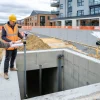
Britain’s bridges, flyovers and other highway structures are under growing pressure from age, heavier traffic, extreme weather and years of constrained maintenance budgets. The Government’s new £24 billion infrastructure fund promises to tackle that challenge by supporting repairs, renewals and upgrades across strategically important parts of the transport network.
For the construction sector, the programme could create a substantial pipeline of inspection, engineering and delivery work. Its wider significance, however, will depend on how quickly funding reaches priority assets, how projects are selected and whether the investment supports long term resilience rather than short term repairs alone.
Why Britain’s highway structures need urgent attention
Many bridges and flyovers in the United Kingdom were designed and built during the rapid expansion of the road network in the second half of the twentieth century. These assets have since endured decades of continuous loading, water ingress, freeze and thaw cycles, road salt exposure and repeated utility works. Even when a structure remains safe, deterioration can increase maintenance costs and make future interventions more complex.
Reinforced concrete structures are particularly vulnerable when moisture and chlorides reach embedded steel. Corrosion can cause the steel to expand, leading to cracking and concrete spalling. Steel bridges face their own risks, including coating failure, corrosion, fatigue and deterioration around joints, bearings and drainage systems. Problems in these components may appear localised, but they can eventually affect the performance of the wider structure.
A maintenance backlog with economic consequences
Delayed structural maintenance rarely remains a purely technical issue. Restrictions on a deteriorating bridge can force heavy vehicles onto longer routes, disrupt local businesses and place additional pressure on surrounding roads. Emergency closures can also produce congestion, increase journey times and complicate access for public transport and emergency services.
Construction inflation has made the backlog more difficult to manage. The cost of specialist labour, structural steel, concrete, temporary works and traffic management has risen, while local authorities must balance bridge maintenance against other essential services.
Climate resilience is changing project priorities
More frequent flooding and intense rainfall are increasing the importance of drainage, scour protection and water management. Bridge foundations near rivers can be undermined when fast moving water removes material from around piers and abutments.
The new funding programme therefore arrives at a time when asset management must look beyond visible defects. Effective investment will require better condition data, climate risk assessments and whole life planning so that repairs address the causes of deterioration as well as its symptoms.
What the £24 billion programme could mean in practice
The headline figure signals a major commitment, but its practical impact will depend on the programme’s scope and allocation rules. Large infrastructure announcements can include several forms of expenditure, such as capital renewals, routine maintenance, safety upgrades and previously planned schemes.
Priority projects are likely to be identified through structural condition, safety risk, network importance and the consequences of failure or closure. A bridge carrying a strategic freight route may receive attention because disruption would affect a wide area, while a smaller local structure may be prioritised if it provides the only practical connection to homes, schools or essential services.
Likely areas of construction activity
Work generated by the fund could range from targeted component replacement to complete reconstruction. Typical packages may include concrete repairs, waterproofing, deck resurfacing, bearing replacement, joint renewal, steel strengthening, protective coatings, parapet upgrades and improvements to drainage.
Complex flyover projects will also create demand for access systems, temporary works design and carefully phased traffic management. Much of the work must be completed while keeping roads operational, which can require night shifts, weekend closures and coordination with railways, utilities or waterways.
Opportunities and capacity pressures for the supply chain
A sustained programme could give engineering consultancies, principal contractors and specialist subcontractors greater confidence to invest in people, equipment and training. Demand may grow for structural inspectors, bridge engineers, concrete repair specialists, steelwork contractors, testing laboratories and teams experienced in working beside live traffic.
At the same time, a rapid release of projects could expose shortages in specialist skills and create competition for materials and plant. A predictable pipeline, proportionate procurement requirements and coordinated delivery schedules will be important if the fund is to avoid cost escalation and attract a diverse range of capable suppliers.
How projects could be selected and funded
The credibility of the programme will rest on a transparent method for deciding which structures receive investment first. Condition scores alone may not provide a complete picture.
Funding arrangements will need to recognise the different circumstances of national highways bodies, devolved administrations and local authorities. Some asset owners have detailed inspection records and developed schemes ready for procurement.

Moving from reactive repairs to planned renewal
Short funding cycles can encourage asset owners to select projects that are easiest to deliver quickly rather than those offering the greatest whole life value.
A planned approach can also reduce repeated disruption. For example, replacing bridge joints while renewing waterproofing, surfacing and drainage may cost more initially than treating one defect, but it can avoid several separate closures and prevent water from damaging recently repaired components.
The importance of project readiness
Before physical work starts, bridge schemes may require intrusive investigations, structural assessments, environmental permits, utility searches and consultation with affected communities. Structures crossing railways, rivers or canals can involve additional approvals and limited access periods.
Funding should therefore cover the early stages of project development as well as construction. Maintaining a pipeline of surveyed, designed and consented schemes would allow asset owners to respond quickly when budgets become available without compromising technical assurance.
Procurement will shape the programme’s results
How the work is bought will have a direct effect on cost, quality and delivery speed. Large regional frameworks can create consistency and reduce repeated tendering, while smaller lots may help local contractors and specialist suppliers compete.
Contracts based heavily on the lowest initial price may be unsuitable for structures where hidden defects are common. Once surfacing, coatings or concrete are removed, the extent of deterioration can differ significantly from early estimates.
Early contractor involvement
Bringing contractors and key specialists into the design process can improve buildability and reduce disruption. Their input can help determine whether components can be repaired in place, whether prefabricated elements are practical and how access platforms or temporary supports should be arranged.
Early engagement is particularly valuable where traffic management drives the programme. A technically simple repair may become expensive if it requires a lengthy closure on a busy route.
Collaborative delivery across multiple assets
Grouping similar work across several structures could improve productivity. A contractor appointed to renew bearings or apply protective coatings at multiple sites may be able to standardise designs, reuse temporary works concepts and retain an experienced team throughout the package.
However, standardisation should not replace asset specific assessment. Bridges of similar age and appearance may have different reinforcement details, loading histories, foundation conditions and exposure risks.
Digital inspection and better asset data
A significant share of the fund may need to support improved information about the structures themselves. Records for older assets can be incomplete, inconsistent or held across separate systems.
Modern survey methods can help close these gaps. High resolution imagery, laser scanning, drones and remote monitoring can provide detailed information while reducing the need for prolonged lane closures or difficult access.
Using sensors to monitor changing risks
Structural health monitoring systems can measure movement, strain, vibration, temperature and other indicators over time. These systems do not remove the need for engineering inspections, but they can help asset owners understand how a structure behaves under traffic and environmental loading.
Monitoring may be especially useful for bridges awaiting major work, structures with known defects and assets exposed to flooding or ground movement. Alerts can support faster intervention when readings exceed agreed thresholds, although sensors must be maintained and their data interpreted by suitably qualified professionals.
Creating reliable digital records
Every funded project offers an opportunity to improve the asset record. Surveys, repair locations, test results, product specifications and photographic evidence should be captured in a consistent format and transferred to the organisation responsible for future maintenance.
Accurate records can prevent unnecessary investigations during the next intervention and help teams track whether a repair system is performing as expected. Data standards will be important if information is to remain accessible across different software platforms and contract periods.
Safety, disruption and environmental performance
Bridge and flyover repairs often take place in constrained environments with live traffic above, below or beside the workforce. Other hazards can include work at height, confined spaces, lifting operations, deteriorated materials and proximity to railways or water.

Traffic management must protect workers and road users while preserving access wherever possible. Clear public communication can reduce confusion around closures, diversions and changing restrictions.
Reducing the carbon cost of renewal
Repairing and strengthening an existing structure can often avoid the material use and demolition associated with complete replacement. This does not mean that repair is always the lowest carbon option, particularly where repeated interventions would be required.
Potential measures include retaining sound structural elements, using lower carbon concrete mixes where technically appropriate, recovering steel, minimising waste and selecting durable repair systems. Off site manufacturing can reduce site activity, while efficient closure planning can limit emissions caused by congestion and lengthy diversions.
Designing for future maintenance
Renewal schemes should consider how components will be inspected and replaced in the future. Better access to bearings, improved drainage details, replaceable components and clearly marked inspection points can reduce the cost and risk of later work.
Durability also depends on workmanship. Waterproofing, concrete preparation, coating application and drainage installation require careful quality control because small defects can allow deterioration to restart.
What success should look like
The amount spent will not, by itself, show whether the fund has worked. Performance should be measured through improvements in structural condition, reductions in emergency closures, fewer weight restrictions and greater reliability on strategically important routes.
Other useful measures include the proportion of funding committed to preventative maintenance, the number of projects delivered within agreed closure periods and the reduction in repeat interventions.
Benefits for local economies and skills
A stable programme could support apprenticeships, graduate engineering roles and specialist training in areas such as structural assessment, concrete repair and protective coatings. Longer term visibility would give employers a stronger reason to develop these capabilities rather than relying on short term recruitment for individual contracts.
Local benefits will be greatest where procurement gives capable smaller firms a realistic route into the supply chain. Proportionate insurance, financial and technical requirements can widen participation without weakening safety or quality standards.
Key challenges that could limit the fund’s impact
Inflation remains a major risk because a fixed budget can purchase less work if labour, materials and traffic management costs continue to rise. Delays during design or approval can further reduce buying power and leave deteriorating assets requiring more extensive intervention by the time construction starts.
There is also a risk that urgent, visible schemes absorb funding at the expense of routine preventative work. Major bridge projects attract attention, but smaller actions such as clearing drainage, maintaining coatings and sealing joints can stop minor defects from becoming expensive structural problems.
Balancing national priorities with local need
Strategic routes carry high traffic volumes and are economically important, but local bridges can be equally critical to the communities they serve. A fair programme should account for places where a closure would isolate residents, restrict agricultural or industrial traffic, or remove access for buses and emergency vehicles.
Authorities with smaller engineering teams may struggle to prepare bids and manage complex contracts. Shared technical resources, standard documentation and central support could help prevent funding from concentrating only among organisations with the greatest existing procurement capacity.
Maintaining momentum beyond the announcement
The construction industry will look for confirmed allocations, delivery timetables and a visible schedule of projects. Without that detail, contractors may be reluctant to recruit staff or invest in specialist equipment.
Ultimately, the fund’s value will depend on sustained maintenance after major repairs are completed. Protecting the investment through regular inspections, drainage cleaning and timely minor works will be essential if renewed bridges and flyovers are to remain reliable for decades.