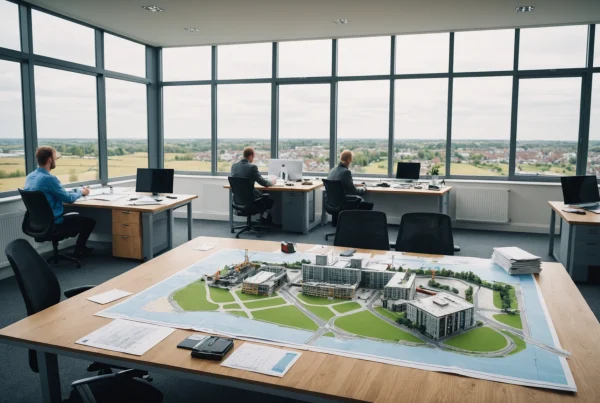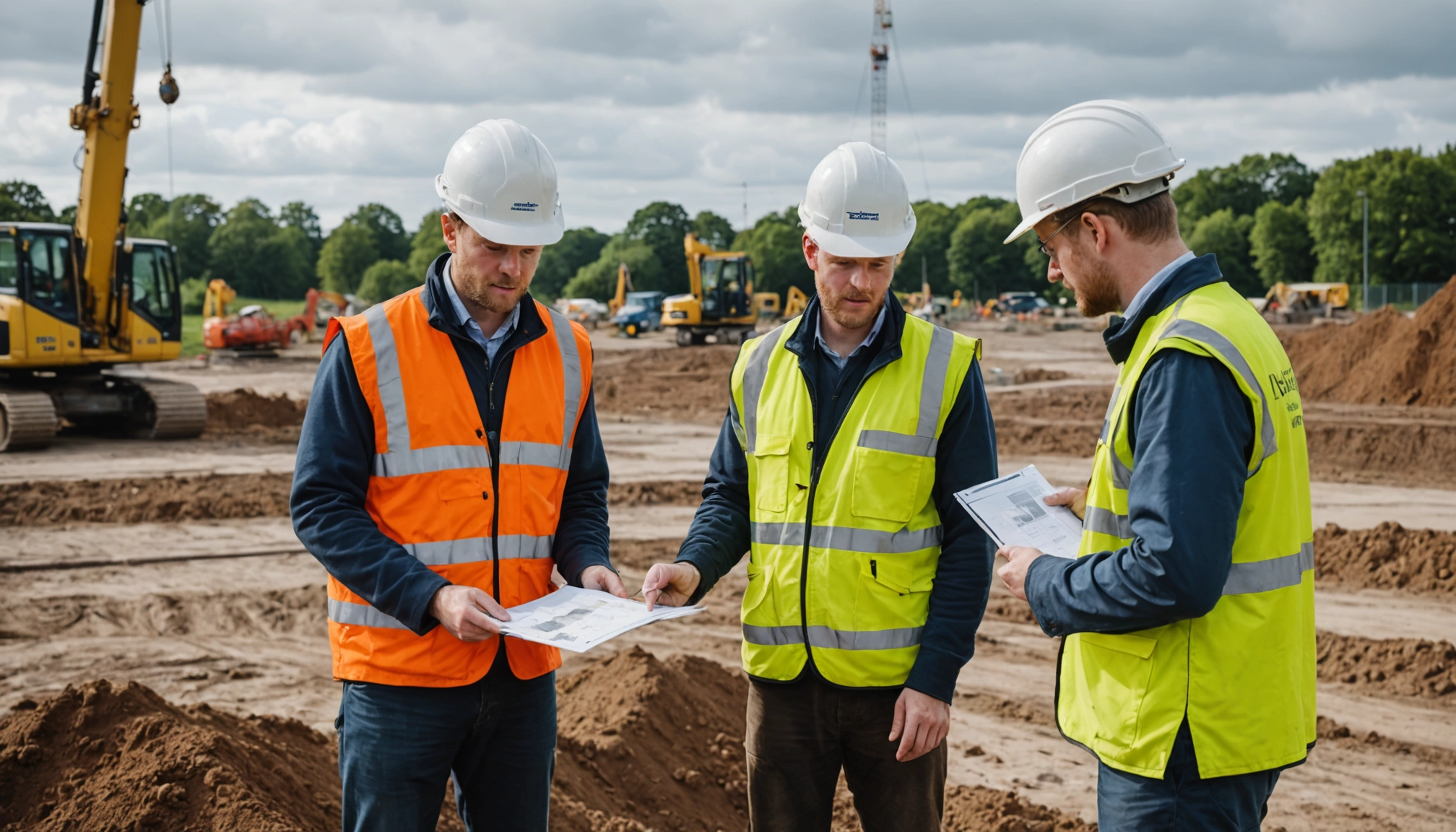
Groundworks determine how well every stage of a construction project performs. If the site investigation, excavation, drainage or foundations are poorly planned, the consequences can include structural movement, standing water, programme delays and expensive remedial work. Problems below ground are also notoriously difficult to correct once the building or infrastructure above has taken shape.
Many groundworks failures are not caused by one dramatic error. They develop through small oversights, rushed decisions and weak communication between designers, contractors and site teams. Understanding where these mistakes occur makes it easier to control risk, protect the programme and deliver work that performs as intended.
Good Decisions Begin Before Excavation
One of the biggest mistakes in groundworks is treating the ground as predictable. Two sites located close together can have very different soil conditions, groundwater levels, contamination risks and buried obstructions. Relying on assumptions or limited historical information may save time at the start, but it can create significant uncertainty once excavation begins.
Pre-construction planning should establish what is beneath the surface, how the site is likely to respond to excavation and which constraints could affect the chosen construction method. This information allows the project team to select suitable foundations, plan temporary works, manage excavated materials and prepare for groundwater before machinery arrives on site.
Starting Without an Adequate Ground Investigation
An incomplete ground investigation can result in foundations being designed for conditions that do not exist across the whole site. Unexpected soft spots, made ground, shrinkable clay or shallow groundwater may then be discovered during construction. At that point, redesigns, deeper excavations and additional materials can place immediate pressure on both the budget and programme.
The investigation should be proportionate to the scale, location and complexity of the project. It may include trial pits, boreholes, soil sampling, laboratory testing and groundwater monitoring. Results should be reviewed by competent professionals and shared with those responsible for design, estimating and delivery. A report has limited value if its findings never reach the people making decisions on site.
Failing to Identify Existing Services
Damaging an underground utility can cause injury, service disruption, environmental harm and lengthy delays. Service drawings are useful, but they should not be treated as exact records. Utilities may have been diverted, installed at an unexpected depth or omitted from older plans altogether.
Service information should be gathered early and verified using appropriate detection equipment, site surveys and carefully controlled trial holes. Known services must be clearly marked, and excavation teams should understand any exclusion zones and permit requirements. Where records and site findings conflict, work should pause until the uncertainty has been resolved.
Excavation Requires More Than Moving Soil
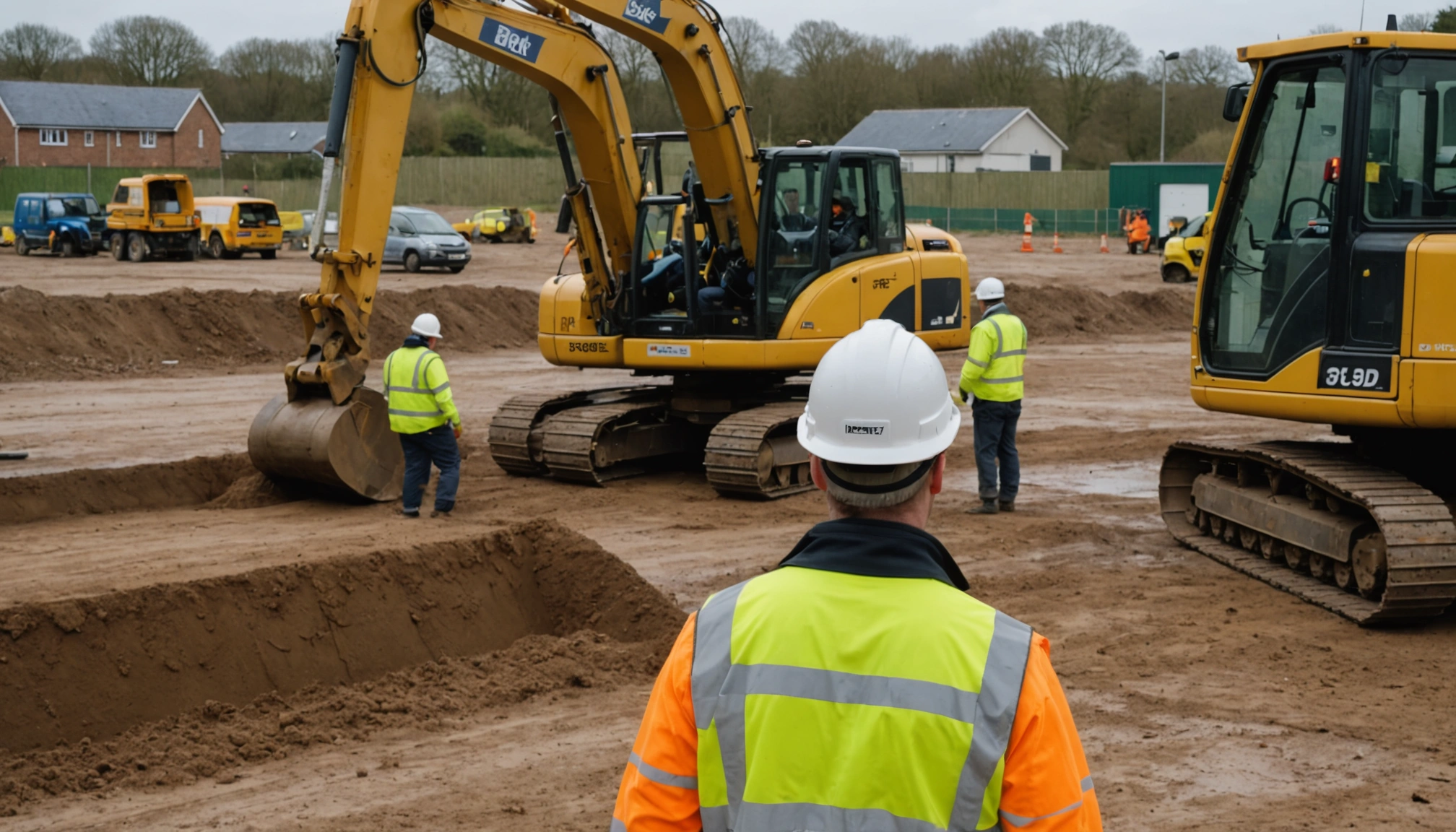
Excavation often looks straightforward from the outside, yet it involves changing the physical stability of the site. Removing soil can affect nearby structures, expose workers to collapse hazards and allow water to enter previously stable ground. Poorly controlled excavation can also damage the formation level that will support foundations, roads or drainage assets.
A suitable excavation method should account for soil type, depth, available working space, plant movement and the location of neighbouring buildings or services. The method must also consider how the excavation will remain safe and stable throughout the work, not simply how quickly the required depth can be reached.
Over Excavating or Disturbing the Formation
Excavating below the specified level creates a void that must be corrected with an approved material or an amended construction detail. Simply replacing disturbed soil rarely restores its original bearing capacity. Unnecessary excavation also increases disposal costs, material consumption and working time.
Formation levels should be checked regularly using calibrated surveying equipment rather than relying on visual judgement. Machine operators need clear depth information, while final trimming should be carried out with care. If the formation becomes soft, wet or disturbed, the affected area should be assessed before concrete, stone or other construction layers are placed.
Ignoring Excavation Stability
Unsupported excavation faces can collapse suddenly, even when the trench or pit has appeared stable for several hours. Rainfall, vibration, changing groundwater and loads placed near the edge can all reduce stability. Spoil heaps and heavy plant positioned too close to an excavation add further pressure to the surrounding ground.
Safe systems may involve battered sides, benching, trench boxes, shoring or another engineered support solution. The appropriate approach depends on the depth and geometry of the excavation as well as the actual ground conditions. Excavations should be inspected by a competent person, particularly after severe weather, alterations or any event that could affect stability.
Water Management Cannot Be Left Until Later
Water is one of the most persistent causes of groundworks problems. Surface run-off, groundwater and damaged drainage can soften formations, flood excavations and carry fine material away from supporting layers. Even modest rainfall can disrupt a site if there is no planned route for water to follow.
Temporary and permanent drainage should therefore be considered together. The project team needs to understand where water originates, how it will move through the site during each construction phase and where it can be discharged lawfully. Waiting until an excavation has flooded usually leaves fewer options and increases the risk of damage.
Installing Drainage to the Wrong Falls
Drainage pipes depend on accurate levels. If the gradient is too shallow, solids may settle and cause repeated blockages. If it is excessively steep, liquid can run ahead of solids and create a similar problem. Backfalls and localised low points can leave water trapped within the system.
Pipe gradients, invert levels and connection points should be checked throughout installation. Laser equipment and level surveys are valuable, but they do not replace proper supervision. Each section should be inspected before it is surrounded or covered, because correcting a drainage run after roads, slabs or landscaping have been completed is significantly more disruptive.
Using Inadequate Bedding and Surround
Pipes require the specified bedding and surround to distribute loads and maintain alignment. Large stones, unsuitable excavated material or poorly compacted fill can create point loads that crack or deform the pipe. Gaps beneath sockets may also allow sections to settle unevenly.
Bedding material should be placed to the required thickness and shaped to provide continuous support. The surround must then be built up carefully on both sides of the pipe. Compaction equipment should suit the available space and the pipe material, as aggressive compaction close to a pipe can cause as much damage as insufficient compaction.
Allowing Silt and Debris into the System
New drainage is often exposed to mud, concrete washout, packaging and loose aggregate while construction continues. A system can pass an initial inspection and still become obstructed before handover if open ends and chambers are left unprotected.
Temporary caps, drain covers and silt control measures should remain in place wherever required. Chambers need to be kept clean, while drainage runs should be tested and, where appropriate, surveyed before completion. Any defects should be recorded and corrected before access becomes restricted.
Compaction Must Be Controlled, Not Assumed
Poorly compacted fill is a common cause of settlement beneath floors, roads, pavements and external works. The surface may appear firm while deeper layers remain loose or contain voids. Once loads are applied, these weak areas compress and produce cracking, uneven finishes or damage to buried services.
Placing Fill in Layers That Are Too Thick
Compaction equipment only works effectively to a limited depth. If fill is tipped in thick layers, the top may compact while the lower portion remains inadequately consolidated. Adding more passes over the surface will not necessarily correct the problem.
Fill should be placed in controlled layers that are suitable for the material and the equipment being used. The required layer thickness and number of passes should be defined within the construction method. Changes in material, moisture or plant may require the process to be reviewed rather than continued automatically.
Ignoring Moisture Content
Soil that is too dry may not bind effectively, while saturated material can pump, rut or move beneath compaction equipment. This is especially important when site-won material is being reused. Material that was suitable when excavated may become unsuitable after prolonged exposure to rain.
Stockpiles should be managed to reduce contamination and uncontrolled water ingress. Where moisture is outside an acceptable range, the material may need to be dried, conditioned or replaced. Compaction testing can then confirm whether the specified performance has been achieved.
Using Unsuitable Fill
Not every excavated material is suitable for reuse beneath a structure or paved area. Fill containing organic matter, excessive clay, degradable waste or oversized fragments may change volume, retain water or compact inconsistently.
Materials should be classified and allocated to suitable uses before earthworks begin. Imported fill should also be checked against the project specification and relevant testing requirements.
Foundation Errors Have Lasting Consequences
Foundations transfer loads into the ground, so small inaccuracies can have effects far beyond the excavation itself. Incorrect dimensions, contaminated concrete, misplaced reinforcement or an unsuitable bearing surface can compromise the intended design.
Building on an Unapproved Formation
A foundation excavation should not be treated as ready simply because it has reached the drawing depth. The exposed ground must correspond with the design assumptions and remain free from loose, softened or disturbed material.
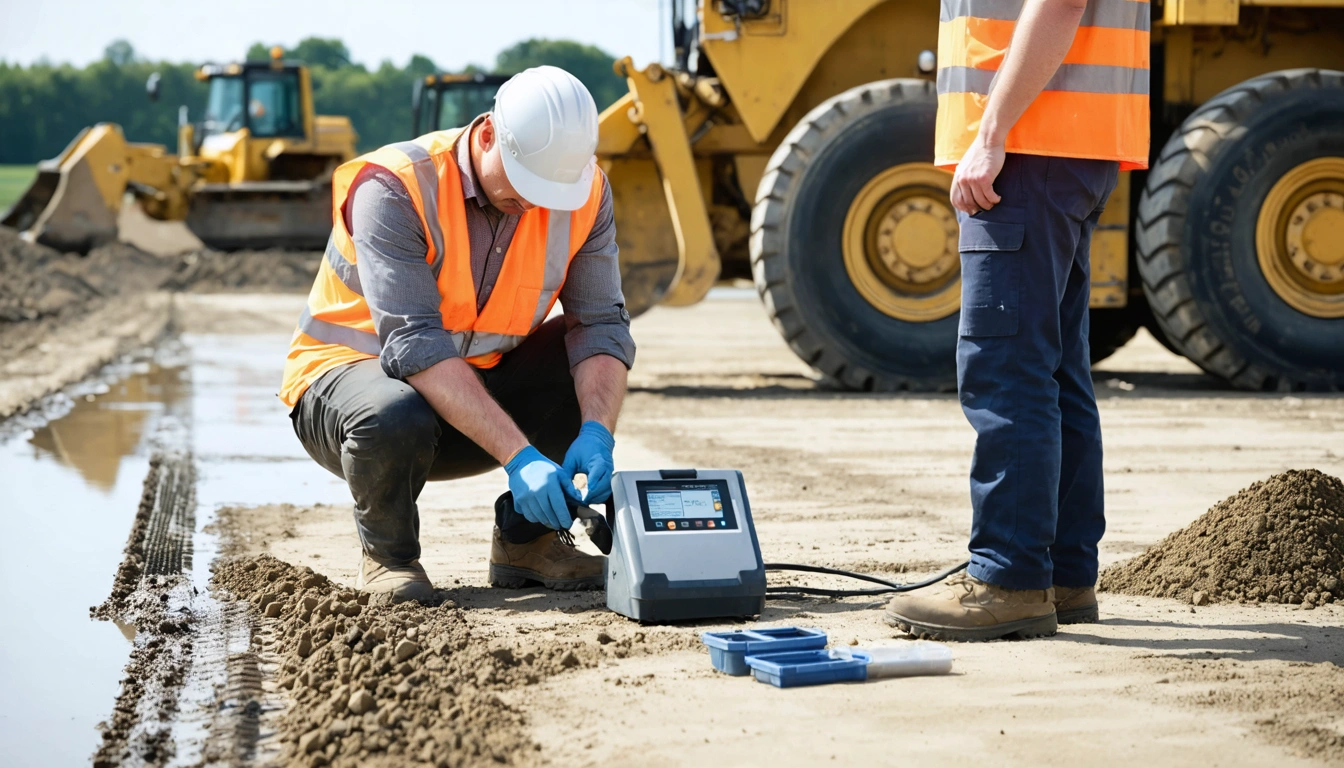
A formal inspection and hold point before concrete placement provides an opportunity to check formation quality, dimensions, levels, reinforcement and service penetrations. Concrete should not be used to conceal uncertainty.
Leaving Excavations Open for Too Long
Foundation trenches can deteriorate quickly after excavation. Rain may soften the base, exposed clay can shrink or swell, and trench sides may collapse into the formation.
The programme should coordinate excavation, inspection and concrete placement so that vulnerable formations remain exposed for the shortest practical period. Where delays are unavoidable, protection measures should be agreed.
Misplacing Reinforcement and Holding-Down Components
Reinforcement that lacks the specified cover may be vulnerable to corrosion and may not perform as designed. Bars can move during concrete placement if they are inadequately supported or tied.
Spacers and supports should be appropriate for the load and ground conditions. Critical dimensions should be surveyed before the pour, and reinforcement should be checked against the latest approved drawings.
Temporary Works Deserve Permanent Attention
Temporary haul roads, piling platforms, access ramps, dewatering systems and excavation supports may not form part of the finished asset, but they are essential to safe delivery.
Temporary works should be designed, installed, inspected and maintained for the actual loads they will experience. That includes considering plant configuration, ground deterioration, weather and changes to site traffic.
Failing to Maintain Working Platforms
A compliant working platform can deteriorate through repeated trafficking, water ingress or excavation near its edges. Contamination with mud may also change the behaviour of the platform surface.
Regular inspections should identify rutting, pumping, soft areas and edge damage. Drainage must remain functional, and defects should be repaired using suitable materials. Where platform loading or geometry changes, its suitability should be reviewed before heavier or differently configured plant is introduced.
Poor Coordination Creates Avoidable Rework
Groundworks sit at the point where structural design, drainage, utilities, highways, landscaping and construction logistics meet. Conflicts between these disciplines are often discovered physically in the ground when sleeves, ducts, foundations and drainage runs compete for the same space.
Working from Superseded Information
A revised drainage layout or foundation detail can make earlier setting-out information incorrect. If site teams do not have reliable document control, work may be completed accurately but to an obsolete drawing.
Current drawings should be easy to identify and available to supervisors, engineers and operatives. Superseded information should be removed from use, and important revisions should be briefed rather than simply uploaded to a document system.
Failing to Plan Service Crossings
Drainage, electrical ducts, water supplies and structural elements frequently cross at different levels. Without coordinated design, one installation may block another or leave inadequate cover.
Crossings should be reviewed before excavation, with levels confirmed rather than inferred from plan drawings alone. A coordinated sequence helps ensure that deeper services are installed first and that later work does not damage completed assets.
Any agreed changes should be documented and communicated to every affected trade. Accurate as-built surveys are equally important, particularly for buried services that will soon become inaccessible.