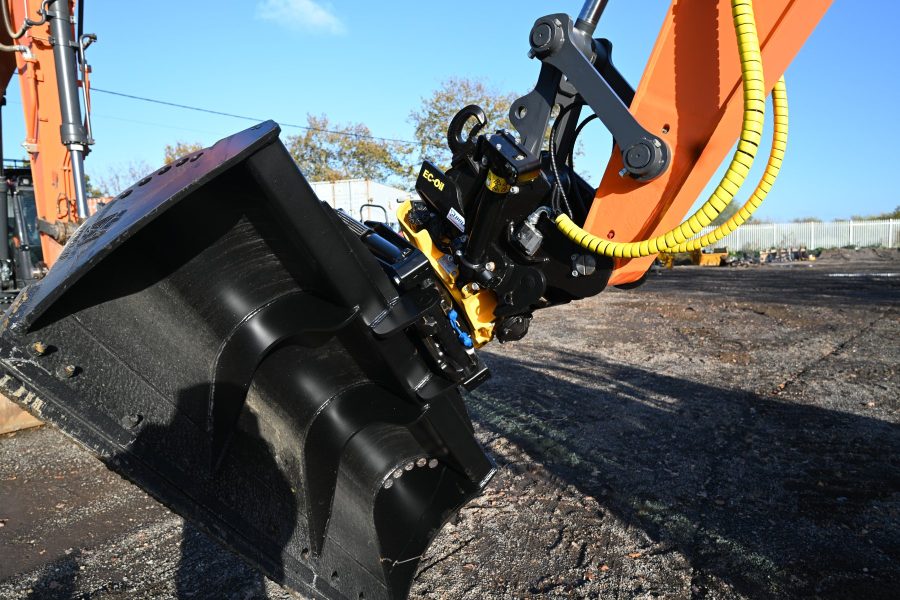
Understanding site Clearance and Excavation
The Importance of Site Clearance in construction
Site clearance is a crucial first step in any construction project, setting the stage for prosperous development. Before any building can begin,the land must be prepared,ensuring that it is safe and suitable for construction. This process involves the removal of obstacles such as trees, debrisand existing structures that might impede the progress of the project. The importance of site clearance cannot be overstated, as it directly influences the ease and efficiency with which subsequent construction activities can be carried out. A well-executed site clearance ensures that the land is not only clean but also free from potential hazards that could pose risks to workers and the environment.
Moreover, site clearance goes beyond mere cleaning. It involves a thorough assessment of the land, understanding its topography, soil stabilityand drainage capabilities. This assessment is vital to determine the appropriate construction techniques and materials needed.For instance, knowing the soil type can inform decisions on foundation types and depth, which are critical for the structural integrity of the building. Furthermore, site clearance also involves ensuring that the land complies with local regulations and environmental standards. This step is essential to avoid legal complications and ensure that the project adheres to lasting practices, minimizing its environmental footprint.
Excavation: Digging Deeper into the process
Once the site has been cleared, the next phase in the construction process is excavation. Excavation is the process of moving earth,rock,or other materials with tools,equipment,or explosives. this stage is essential for laying the foundation of the building, which supports the entire structure. Understanding site clearance and excavation together is essential, as they are interlinked stages that prepare the land for construction.During excavation, careful attention is paid to the dimensions and depth required by the building plans. This ensures that the foundation is laid correctly, capable of supporting the load of the structure and withstanding environmental factors.
The excavation process involves several steps, starting with staking out the site to mark the areas to be dug. This is followed by digging trenches or pits, depending on the foundation requirements. It is a highly technical process that requires precision and expertise to ensure that the dimensions are accurate and that the ground is stable. Any errors during excavation can lead to meaningful setbacks, including structural issues or even project delays. Therefore, it is crucial to have skilled professionals who can operate the machinery and equipment involved in excavation, such as backhoes, bulldozers, and excavators, while adhering to safety standards.
Challenges and Considerations in Site Clearance and Excavation
Both site clearance and excavation come with their own set of challenges and considerations that must be addressed to ensure a smooth construction process. One of the primary challenges is dealing with existing underground utilities such as water pipes, sewage lines, or electrical cables. These must be identified and either relocated or protected during excavation to prevent damage and ensure safety. Additionally, the presence of hazardous materials like asbestos or contaminated soil can complicate the site clearance, requiring specialized removal processes and adherence to strict regulations.
Environmental considerations also play a significant role in site clearance and excavation. It is indeed essential to assess the impact of these activities on local ecosystems, particularly if the site is near protected areas or natural habitats. Measures must be taken to minimize disruption to wildlife and vegetationand to prevent soil erosion and water pollution. Another consideration is the management of waste generated during site clearance and excavation. Effective waste management strategies are necessary to reduce the environmental impact and comply with legal requirements. Proper planning and execution of these processes ensure not only the success of the construction project but also its sustainability and compliance with environmental standards.
the Role of Technology in Modern Site Clearance and excavation
Technology has significantly transformed site clearance and excavation, making these processes more efficient and precise. The use of advanced machinery and equipment, such as GPS-guided excavators and drones, has revolutionized how these tasks are performed. GPS technology allows for precise mapping and navigation of the site, ensuring that excavation is carried out with high accuracy. This reduces the risk of errors and enhances the efficiency of the process. Drones, on the other hand, provide aerial views and assessments of the site, helping in planning and monitoring progress.
Additionally, software tools for project management and design have improved the planning and execution of site clearance and excavation. These tools allow for better visualization of the site and its surroundings, facilitating more informed decision-making. They also enable the simulation of different scenarios, helping project managers to anticipate potential issues and devise solutions in advance. The integration of technology in site clearance and excavation not only improves efficiency but also enhances safety by minimizing the risks associated with manual operations.
Conclusion: The Foundation of Successful Construction
Understanding site clearance and excavation is fundamental to the success of any construction project. These initial stages lay the groundwork for the entire building process, influencing the project’s timeline, budgetand overall quality.A thorough and well-planned approach to site clearance and excavation ensures that the land is prepared to support the structure, complies with regulationsand minimizes environmental impact. As technology continues to advance, the processes involved in site clearance and excavation are becoming more efficient and precise, contributing to safer and more sustainable construction practices. Ultimately, the success of a construction project hinges on the meticulous execution of these foundational steps, highlighting their importance in the broader context of building and development.
Site clearance is an indispensable part of any construction project, acting as the preliminary step that paves the way for successful development. Before the first brick is laid, the land must be meticulously prepared to ensure it is both safe and suitable for construction. This involves removing any obstacles such as trees,debris,and existing structures that could hinder progress.The meaning of site clearance cannot be overstated, as it directly affects the efficiency and ease of subsequent construction activities. A thorough site clearance not only cleans the area but also eliminates potential hazards that could pose risks to workers and the environment.
Beyond mere cleaning, site clearance entails a comprehensive assessment of the land, examining its topography, soil stabilityand drainage capabilities. Such an assessment is crucial for determining the appropriate construction techniques and materials. Such as,understanding the soil type can inform decisions on foundation types and depth,which are vital for the building’s structural integrity. Additionally, site clearance involves ensuring compliance with local regulations and environmental standards to avoid legal issues and promote sustainable practices, minimizing the project’s environmental footprint.
Following site clearance,excavation becomes the focal point of the construction process. Excavation involves the movement of earth, rockor other materials using tools, machineryor explosives. This phase is crucial for laying the building’s foundation, which supports the entire structure. The processes of site clearance and excavation are interconnected, both essential for preparing the land for construction. During excavation, attention to detail regarding the dimensions and depth specified in the building plans is critical to ensure the foundation can support the structure and withstand environmental factors.
The excavation process involves several steps, beginning with marking the areas to be dug. This is followed by digging trenches or pits according to the foundation requirements.Precision and expertise are necessary to ensure the accuracy of dimensions and ground stability. Mistakes during excavation can result in significant setbacks, including structural issues or project delays. Therefore, skilled professionals are essential for operating excavation machinery and equipment, such as backhoes, bulldozersand excavators, while adhering to safety standards.
Both site clearance and excavation present unique challenges and considerations. One major challenge is managing existing underground utilities like water pipes, sewage linesor electrical cables, which must be identified and protected or relocated to prevent damage and ensure safety. The presence of hazardous materials, such as asbestos or contaminated soil, can also complicate site clearance, necessitating specialized removal processes and strict regulatory compliance.
Environmental considerations are equally crucial. Assessing the impact of site clearance and excavation on local ecosystems is crucial, especially if the site is near protected areas or natural habitats. Efforts must be made to minimize disruption to wildlife and vegetation and to prevent soil erosion and water pollution. Effective waste management strategies are also necessary to reduce environmental impact and comply with legal requirements. Proper planning and execution of these processes are vital for the project’s success and sustainability.
Technology has dramatically transformed site clearance and excavation, enhancing efficiency and precision. Advanced machinery and equipment, like GPS-guided excavators and drones, have revolutionized these processes. GPS technology ensures precise mapping and navigation, reducing errors and improving efficiency. Drones offer aerial views and assessments, aiding in planning and monitoring progress.
Software tools for project management and design have also improved the planning and execution of site clearance and excavation. These tools facilitate better visualization of the site and its surroundings, enabling more informed decision-making. they also allow for scenario simulation, helping managers anticipate potential issues and devise solutions in advance. The integration of technology not only improves efficiency but also enhances safety by reducing risks associated with manual operations.
understanding the intricacies of site clearance and excavation is fundamental to the success of any construction project. These initial stages lay the groundwork for the entire building process, affecting the project’s timeline, budgetand overall quality. A well-planned approach to site clearance and excavation ensures the land is ready to support the structure, complies with regulationsand minimizes environmental impact. As technology continues to advance, these processes are becoming more efficient and precise, leading to safer and more sustainable construction practices. Ultimately, the success of a construction project relies heavily on the meticulous execution of these foundational steps, underscoring their importance in the broader context of building and development.