As the skyline of our cities continues to evolve, the importance of robust and innovative foundation techniques for commercial buildings becomes increasingly evident. The foundation is the structural base that supports the entire edifice and its importance cannot be overstated. In the realm of commercial construction, where the stakes are high and the structures are massive, employing modern foundation techniques is crucial to ensuring stability, longevity and safety.
The Importance of Foundations in commercial Construction
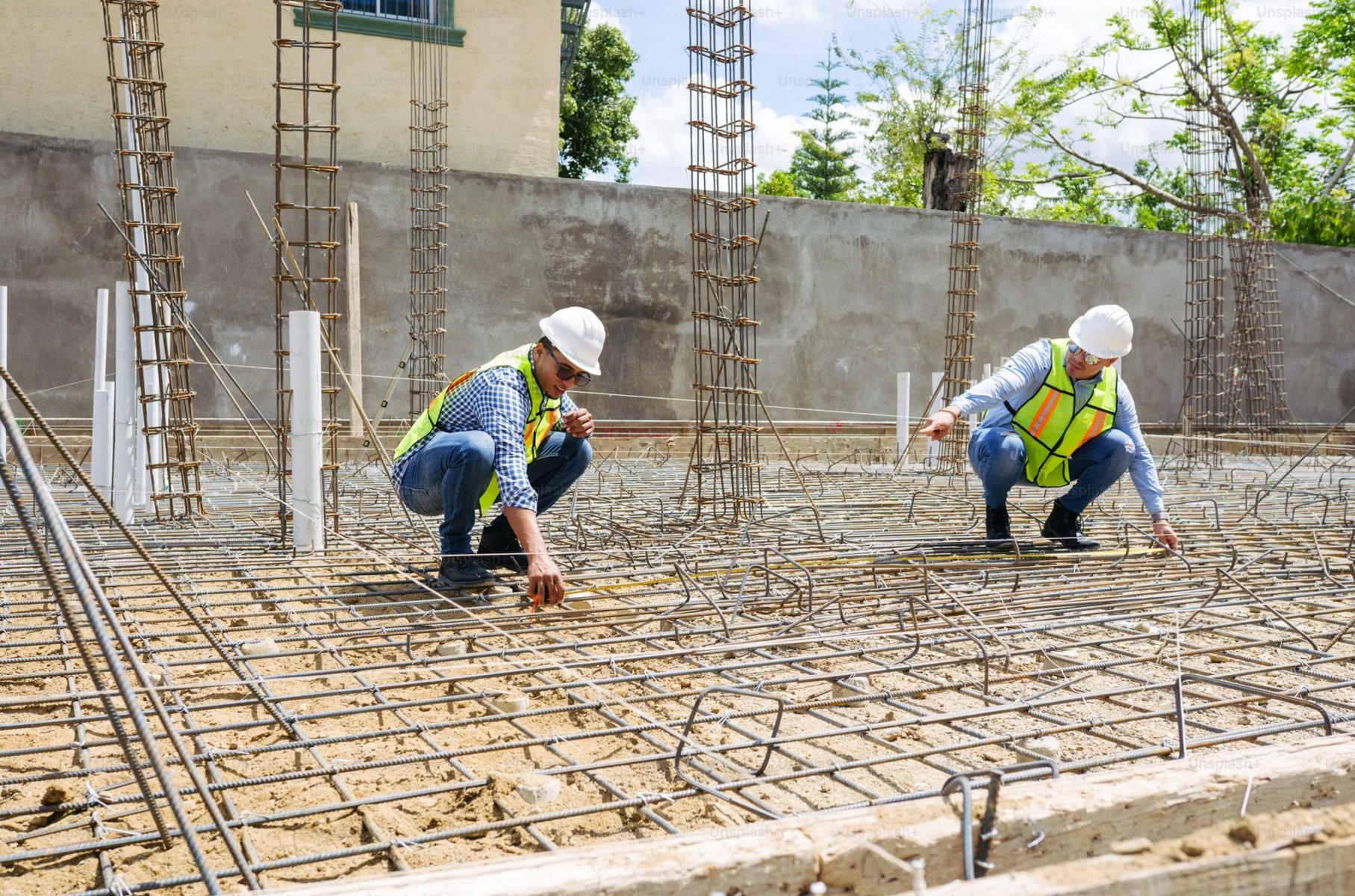
Foundations are the unsung heroes of the construction world,often hidden beneath the surface but critical to the integrity of any building. In commercial construction, the demands placed on foundations are particularly intense.These structures must support not only the weight of the building itself but also dynamic loads such as machinery, human trafficand environmental factors like wind and seismic activity. The choice of foundation technique can substantially impact a building’s performance, influencing everything from structural integrity to cost efficiency and environmental impact.
Traditional Versus Modern Foundation Techniques
Traditionally, foundations were constructed using straightforward methods such as shallow footings or simple piles. While these techniques are still in use, the complexity and scale of modern commercial buildings often require more sophisticated solutions. modern foundation techniques for commercial buildings have evolved to address the unique challenges posed by contemporary architectural designs and urban environments. These methods often incorporate advanced materials and innovative engineering approaches to enhance the performance and reliability of the foundation.
Deep Foundations and Their Advantages
One of the moast prominent modern foundation techniques for commercial buildings is the use of deep foundations. These include piles and drilled shafts, which extend deep into the ground to reach stable soil layers or bedrock. This method is particularly advantageous in urban areas where the soil near the surface may not be able to support the weight of a large structure. Deep foundations provide enhanced stability and can mitigate issues related to soil settlement and seismic activity.The choice between different types of deep foundations often depends on the specific geological conditions of the site and the load requirements of the building.
Delivering deep foundations to this standard on live commercial sites requires substantial plant, technical expertise and coordination with the wider construction programme. Contractors like MAC Group Ltd deliver foundation works on large commercial and industrial projects across the UK, bringing the piling rigs, ground engineering knowledge and site management needed to execute these schemes safely. Clients working through complex ground conditions often turn to MAC Group’s foundations services to translate the geotechnical strategy into a built structure.
Innovations in Foundation Materials
The materials used in foundation construction have also seen significant advancements.High-strength concrete, steel reinforcements and composite materials are now commonly used to enhance the durability and load-bearing capacity of foundations. These materials are frequently enough engineered to resist environmental factors such as corrosion and water infiltration, which can compromise the integrity of the foundation over time. Additionally, the use of sustainable materials and practices is becoming increasingly common, reflecting the growing emphasis on environmental responsibility in the construction industry.
technological Integration in Foundation Design
The integration of technology into foundation design and construction has revolutionised the industry. Advanced modeling software allows engineers to simulate various foundation scenarios, optimizing their designs for specific site conditions and load requirements. This technology enables more precise calculations and predictions, reducing the risk of structural failure and enhancing the overall efficiency of the construction process. Additionally, monitoring systems can be embedded into foundations to provide real-time data on structural performance, allowing for proactive maintenance and early detection of potential issues.
Addressing Environmental and Geotechnical Challenges
Modern foundation techniques for commercial buildings must also address a range of environmental and geotechnical challenges. In areas prone to seismic activity, for example, foundations must be designed to absorb and dissipate energy to prevent damage during an earthquake. This often involves the use of base isolation systems or energy-dissipating devices that enhance the building’s resilience. Similarly, in regions with high water tables or flood risks, foundations must be engineered to resist water intrusion and maintain stability under saturated conditions.
The Role of Sustainability in Modern Foundations
Sustainability is an increasingly vital consideration in the design and construction of commercial building foundations. Modern techniques often incorporate elements such as geothermal systems, which use the steady temperature of the ground to provide energy-efficient heating and cooling solutions. Additionally, the use of recycled materials and low-impact construction methods can reduce the environmental footprint of foundation projects. By prioritizing sustainability, the construction industry can contribute to broader efforts to mitigate climate change and promote environmental stewardship.
Conclusion: The Future of Foundation technologies
As commercial buildings continue to grow in complexity and scale, the demand for innovative foundation techniques will only increase. Modern foundation techniques for commercial buildings are at the forefront of this evolution, offering solutions that are not only structurally sound but also environmentally responsible. By embracing these advanced methods and materials, the construction industry can build safer, more durable and more sustainable structures that meet the needs of our rapidly changing world. As we look to the future, it is indeed clear that the foundations we lay today will play a crucial role in shaping the urban landscapes of tomorrow.
As cities expand and their skylines reach new heights,the role of innovative foundation techniques becomes ever more critical in supporting the towering structures of commercial buildings. Foundations serve as the unseen backbone of any building, providing the essential stability needed to uphold vast architectural feats. In the realm of commercial construction, where buildings are not only larger but also more complex, the necessity for modern foundation strategies is paramount. These methods ensure that buildings remain safe, stable and enduring, even as they accommodate heavy machinery, bustling human activity, and withstand environmental stresses like wind and seismic forces.
In the past, foundational work often relied on straightforward methods such as shallow footings or basic piles.While these techniques still have their place, the demands of modern commercial construction often call for more advanced solutions. Today’s foundation techniques have evolved, integrating cutting-edge materials and engineering practices to tackle the challenges posed by contemporary designs and densely populated urban areas.These advancements aim to boost the foundation’s performance,ensuring that it can adequately support the structure above while maintaining cost-effectiveness and minimising environmental impact.
A prominent example of modern foundation techniques is the use of deep foundations, such as piles and drilled shafts. These extend deep into the earth to anchor the building to stable soil layers or bedrock, a critical consideration in urban settings where surface soils may not provide sufficient support. Deep foundations offer increased stability and can address issues like soil settlement and seismic activity. The choice between different types of deep foundations is often dictated by the site’s geological conditions and the building’s load requirements.
The materials used in foundation construction have also undergone significant innovation.High-strength concrete, reinforced steeland composite materials are now standard, enhancing durability and load-bearing capabilities. These materials are engineered to withstand environmental challenges such as corrosion and water infiltration, which could otherwise compromise the foundation’s integrity over time.Moreover,there is a growing trend towards using sustainable materials and methods,highlighting the construction industry’s commitment to environmental responsibility.
Civil engineering technology plays a pivotal role in modern foundation design and construction. Sophisticated modeling software enables engineers to simulate various scenarios, optimising designs for specific site conditions and load requirements. This technological integration allows for more accurate calculations and predictions, reducing the risk of structural failure and improving construction efficiency. Additionally, embedded monitoring systems in foundations can provide real-time data on structural performance, facilitating proactive maintenance and early issue detection.Addressing environmental and geotechnical challenges is another crucial aspect of modern foundation techniques.In earthquake-prone areas,for instance,foundations must be designed to absorb and dissipate energy,minimizing damage during seismic events.This is often achieved through base isolation systems or energy-dissipating devices that enhance building resilience. Similarly, in regions subject to high water tables or flood risks, foundations must be engineered to resist water intrusion and maintain stability when saturated.
Sustainability is increasingly important in foundation design for commercial buildings. Modern techniques often include geothermal systems, which utilize the earth’s consistent temperature for energy-efficient heating and cooling solutions. The use of recycled materials and low-impact construction methods also helps reduce the environmental footprint of foundation projects. By emphasising sustainability, the construction industry contributes to broader efforts to combat climate change and promote environmental stewardship.
As commercial architecture grows more intricate and enterprising, the demand for advanced foundation techniques will continue to rise. These techniques are at the forefront of construction innovation, offering solutions that are not only structurally sound but also environmentally conscious. By adopting these modern methods and materials, the construction industry can build structures that are safer, more durable and more aligned with the needs of an evolving world.The foundations we lay today will undoubtedly shape the urban landscapes of tomorrow, underscoring their critical role in our built environment’s future.