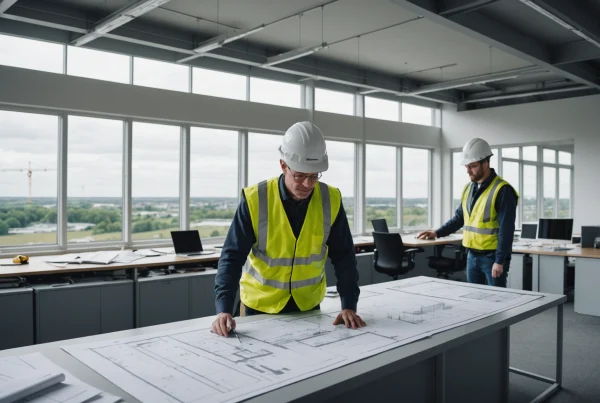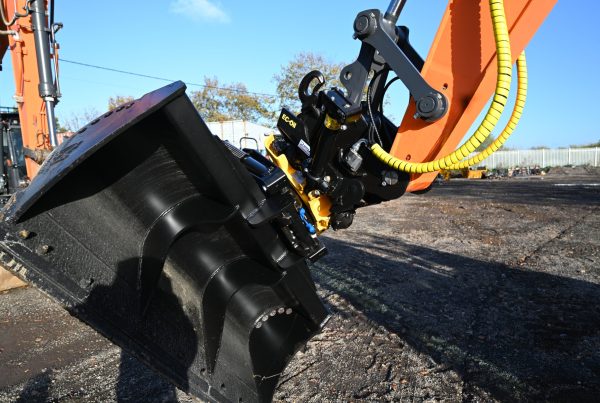
Infrastructure projects are under growing pressure to move faster, control costs and improve safety without compromising quality. Modular construction methods offer a practical response by transferring more work from unpredictable site environments into controlled manufacturing facilities.
I see modular construction as far more than assembling identical boxes. In civil engineering, it can involve precast concrete components, prefabricated utility units, bridge elements, plant rooms and complete infrastructure modules. When these components are designed, manufactured and installed as part of one coordinated process, projects can achieve greater certainty from the outset.
Why traditional delivery models are being reconsidered
Conventional construction relies heavily on sequential activities taking place on site. Groundworks may need to be completed before structural work begins, while poor weather, restricted access or shortages of skilled labour can interrupt the programme. Even a relatively small delay can affect multiple trades and create additional cost.
Modular construction changes this sequence by allowing components to be manufactured while enabling works continue on site. Foundations, drainage and access routes can progress at the same time as structural or mechanical units are produced elsewhere. This parallel approach can shorten the overall programme and reduce the number of critical activities exposed to site conditions.
Programme certainty through controlled production
A factory environment makes it easier to standardise processes, monitor tolerances and plan labour requirements. Materials and equipment are available in known locations, while inspections can be incorporated at defined stages of production. This provides greater visibility over progress and makes potential quality issues easier to identify before components reach the construction site.
However, faster delivery does not happen automatically. Modular infrastructure requires early design decisions, accurate surveys and close coordination between designers, manufacturers, logistics teams and site engineers. If dimensions, connection details or lifting requirements are left unresolved, the time saved during production can quickly be lost during installation.
How modular methods can improve construction safety
Reducing the amount of work undertaken on site can remove or limit several common construction hazards. Factory assembly may require less working at height, fewer temporary access systems and reduced exposure to moving plant. It can also provide better lighting, fixed workstations and more consistent supervision than a changing site environment.
On infrastructure schemes beside live roads, railways or public spaces, modular construction can also reduce the time workers spend within high risk areas. Preassembled components can be delivered during a planned possession or road closure and installed within a shorter window, helping to minimise disruption while reducing exposure to traffic and operational hazards.
Safer installation still depends on detailed planning
Large modules can introduce significant lifting, transport and temporary stability risks. Engineers must consider the module’s weight, centre of gravity, lifting points and behaviour during every stage of movement. Crane selection, ground bearing capacity, exclusion zones and weather limits should all be established before installation begins.
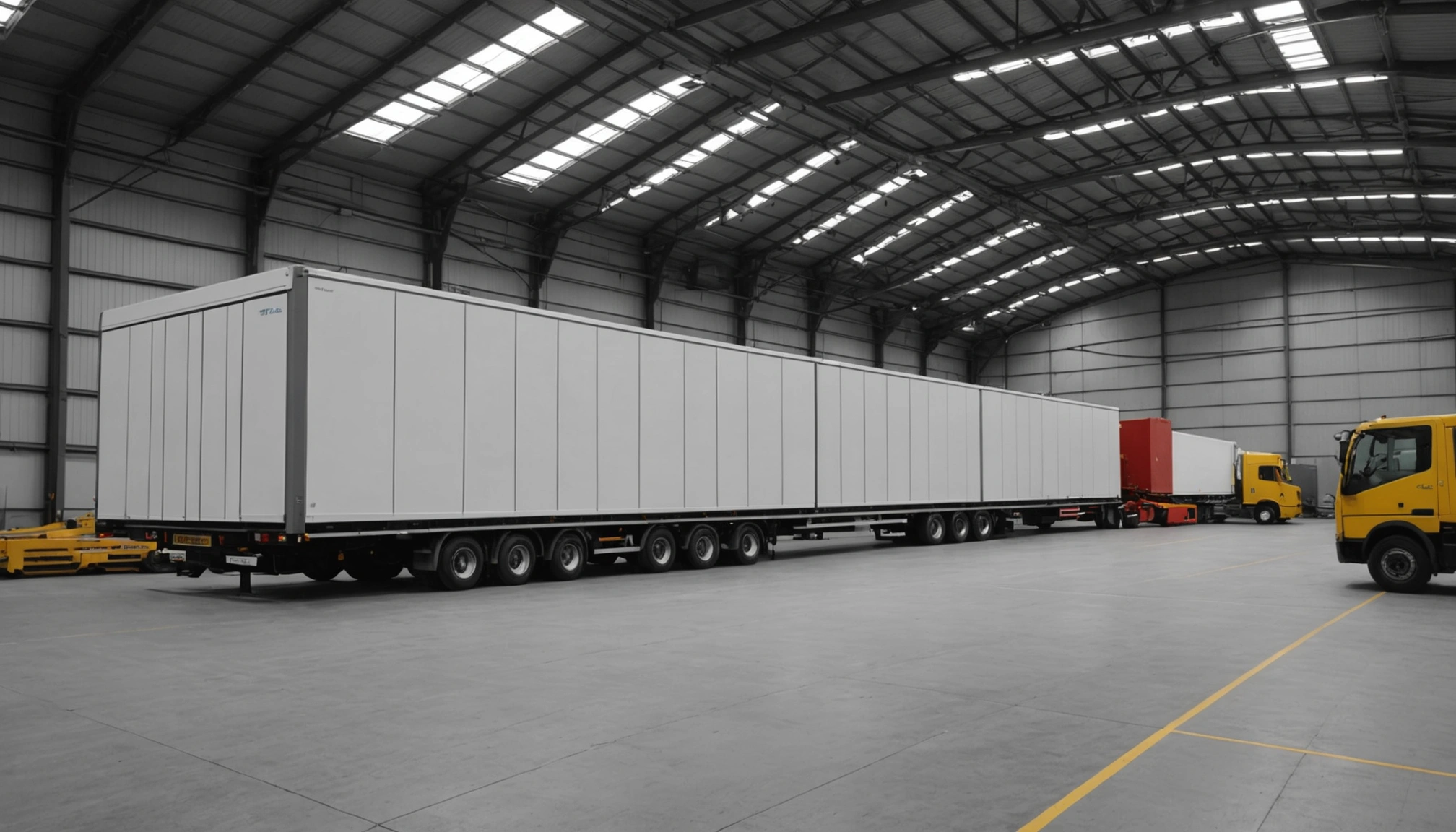
Transport constraints are equally important. Route surveys may identify narrow roads, weak structures, overhead services or restricted turning areas that affect the maximum module size. By addressing these factors during design, project teams can divide an asset into transportable sections without creating unnecessary complexity at the final assembly stage.
Where modular construction delivers the greatest value
Modular methods are particularly effective where projects contain repeatable elements, face limited access or must be delivered within short working windows. The approach is already used across highways, rail, water, energy and public realm schemes, although the form of modularisation varies considerably.
Bridges and transport infrastructure
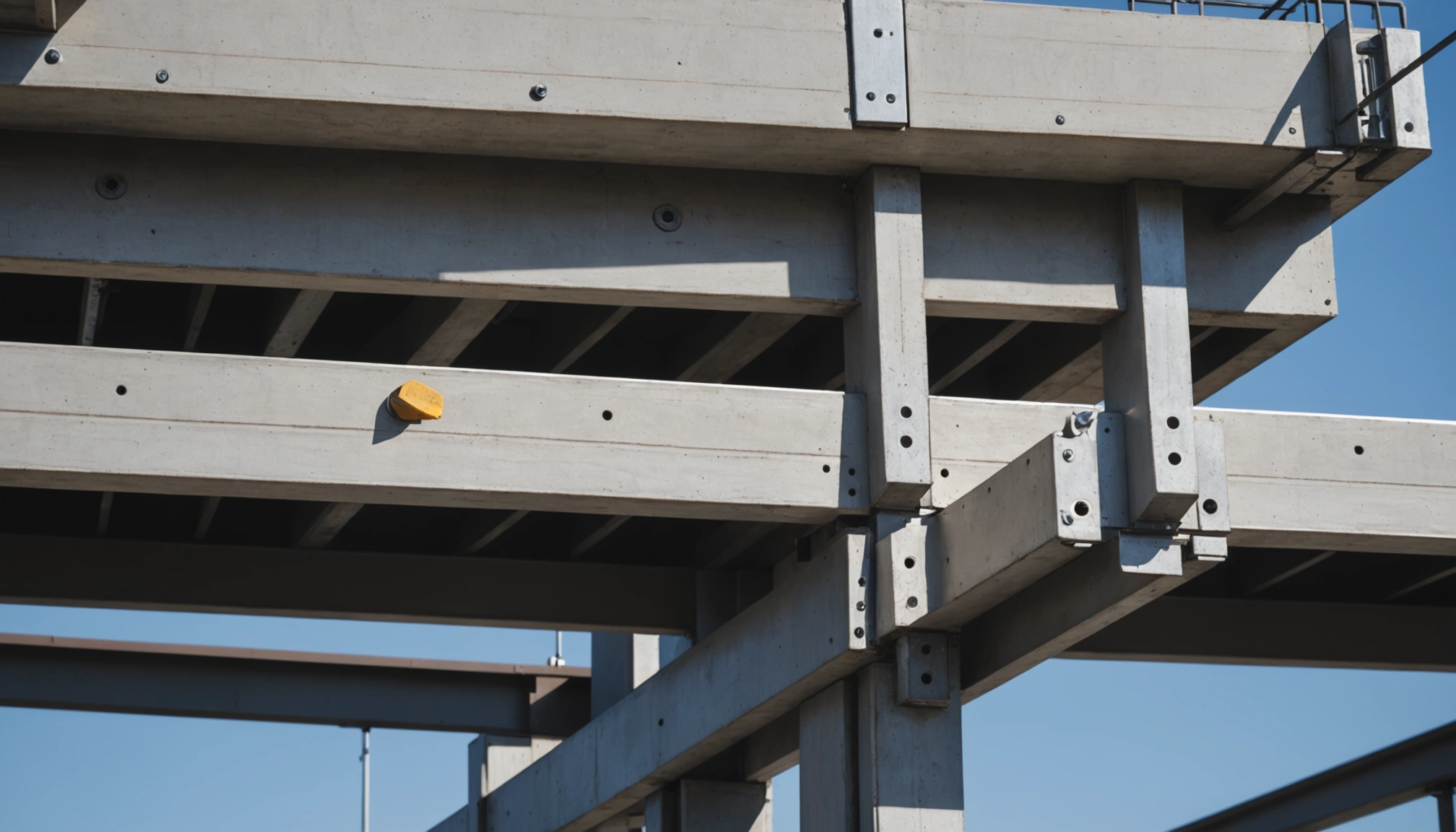
Bridge decks, beams, parapets, platform sections and pedestrian overbridges can all be manufactured away from the final location. Once enabling works and foundations are ready, the components can be lifted or moved into position during a planned closure. This can reduce the length of traffic diversions, railway possessions and disruption to surrounding communities.
Accelerated bridge construction is a useful example. Instead of casting an entire deck over several weeks on site, teams can install precast deck panels and complete carefully designed connections afterwards. In some circumstances, a complete bridge structure can be assembled nearby and moved into place using specialist transport equipment.
Drainage, utilities and water infrastructure
Precast manholes, culverts, attenuation tanks, pumping stations and utility chambers can improve consistency while reducing excavation time. Mechanical and electrical equipment may also be assembled into skids or packaged plant rooms before delivery. This allows factory testing to take place before the unit arrives on site, reducing the amount of commissioning work required in a confined or weather exposed environment.
For utility corridors, repeated chamber and duct arrangements can be developed as standard component families. Standardisation does not mean that every location must be identical. It means using a reliable core design that can be adapted for different loading conditions, service layouts and ground levels.
Temporary and permanent site facilities
Modular welfare buildings and site offices are familiar across the construction industry, but the same principles can be applied to permanent control rooms, substations, maintenance depots and equipment enclosures. These assets often contain complex internal services, making off-site assembly especially valuable.
Completing wiring, pipework, ventilation and equipment installation in a controlled facility can improve access for operatives and simplify testing. The completed unit then arrives as an integrated package rather than a shell requiring several trades to work within a constrained space.
Designing infrastructure for manufacture and assembly
A successful modular project begins with a design that reflects how components will be manufactured, transported, lifted, connected and maintained. This is often described as design for manufacture and assembly. In my view, it should be treated as a core engineering activity rather than a late review of an otherwise complete design.
Standardisation without sacrificing performance
Standard dimensions, connection details and reinforcement arrangements can reduce design effort and make production more efficient. Repetition also gives manufacturing teams an opportunity to refine their processes as work progresses. However, standardisation must remain appropriate to the asset and its environment.
Ground conditions, hydraulic requirements, vehicle loading and existing services can all require local adjustments. The aim should be to standardise the elements that benefit from repetition while retaining enough flexibility to respond to genuine site constraints.
Connections deserve early attention
Connections frequently determine whether modular installation is straightforward or frustrating. Bolted joints, grouted couplers, welded plates and in situ concrete stitches each have different tolerance, access and inspection requirements. Designers need to consider whether installers can reach the connection safely and whether it can be completed within the available working window.
Interfaces should also accommodate realistic manufacturing and setting-out tolerances. A connection that works perfectly in a digital model may prove difficult on site if it allows no adjustment for minor dimensional variation. Survey information, tolerance analysis and clearly defined interface responsibilities are therefore essential.
Digital coordination and trial assembly
Building information modelling can help teams coordinate structural components, reinforcement, mechanical services and lifting arrangements before manufacturing begins. A shared model can also support clash detection, quantity checks and installation sequencing.
For complex or high risk assemblies, a physical trial fit may still be worthwhile. Temporarily assembling adjoining components at the factory can confirm alignment and reveal access issues that are difficult to identify from drawings alone. Although this adds an early activity, it may prevent much more expensive corrective work during a closure or possession.
Quality assurance from factory to final installation
Factory production can create consistent conditions, but it does not remove the need for robust quality control. The inspection and test plan should cover raw materials, manufacturing stages, dimensional checks, protective finishes, testing, storage and transport.
Components should remain traceable throughout the process. Identification marks, production records and test results allow the project team to verify that each unit meets the specified requirements. Digital records can make this information easier to review and transfer into the completed asset file.
Protecting quality during transport and storage
A module that leaves the factory in excellent condition can still be damaged before installation. Temporary supports must prevent distortion, while exposed edges, finishes and equipment need suitable protection. Storage areas should be level, stable and arranged so that components can be lifted without unnecessary handling.
Transport loads can also differ from the forces experienced in service. Vibration, braking, cornering and uneven road surfaces may place unexpected demands on a module. Engineers should check temporary load cases and specify restraints that protect both the component and other road users.
Inspection after installation
Final inspection should confirm alignment, bearing conditions, joint completion and any required sealing or grouting. Mechanical and electrical modules may require functional testing after connections are made on site.
Environmental benefits and material efficiency
Modular construction can support lower waste levels because materials are cut, stored and handled within a planned production system. Reusable moulds, accurate ordering and controlled concrete placement can reduce surplus material.
Fewer site activities can mean fewer deliveries, less local noise and reduced disturbance around the project. These benefits are particularly relevant in residential areas, town centres and environmentally sensitive locations.
Designing for disassembly and future reuse
Mechanical connections can make some modular assets easier to dismantle, relocate or replace. This may be useful for temporary bridges, utility equipment, access structures and facilities that need to respond to changing demand.
Designing for disassembly requires components to remain accessible and structurally suitable for another lifting cycle. Accurate asset records are also important because future teams will need to understand the original design loads, connection details and handling requirements.
Commercial and procurement considerations
Modular construction changes when project expenditure occurs. More design and manufacturing cost may be committed earlier than under a conventional approach. This can feel uncomfortable for clients accustomed to developing details during construction, but early commitment is often what creates later programme certainty.
Procurement should bring manufacturers and specialist installers into the process soon enough to influence practical decisions. If a supplier is appointed after the design has been fixed, opportunities to simplify production or improve connections may already have been lost.
Looking beyond the component price
A direct comparison between a factory-made component and an equivalent site-built element can be misleading. The assessment should also account for temporary works, site labour, supervision, programme duration, traffic management, possessions, weather risk and the cost of disruption.
A modular option may carry a higher unit price while still offering better overall value. Conversely, modularisation is not automatically economical. One-off components, long transport distances or unusually complex interfaces can outweigh the benefits of controlled manufacture.
Allocating interface risk clearly
Contracts should define responsibility for design interfaces, tolerances, temporary works, transport, lifting and final connections. Ambiguity between the manufacturer and principal contractor can result in duplicated work or unresolved gaps.
A coordinated responsibility matrix is a simple but effective tool. It should identify who designs, checks, supplies, installs and signs off each interface. This is especially important where structural, mechanical and electrical packages meet within a single module.
Common challenges that project teams should anticipate
The greatest obstacle is often late decision making. Once manufacturing begins, design changes can affect moulds, material orders, production slots and completed units. A disciplined design freeze process is therefore essential, supported by timely approvals from clients, designers and asset operators.
Supply chain capacity can also influence the programme. Specialist factories may have limited production slots, particularly when several major infrastructure schemes are active at the same time.
Avoiding over-modularisation
Not every element benefits from off-site manufacture. Dividing an asset into too many small modules can create excessive joints, lifting operations and interface checks. Producing very large modules, meanwhile, may make transport and installation unnecessarily difficult.
The appropriate level of modularisation should be determined through option assessment. Project teams need to balance manufacturing efficiency against vehicle limits, crane capacity, site access, structural behaviour and the time available for installation.
Building the right skills and working culture
Modular delivery depends on close collaboration between designers, manufacturers, logistics specialists and site teams. Teams need to understand how early decisions affect production, transport and installation, rather than treating each stage separately.
Experience also matters. Lessons from manufacturing tolerances, lifting operations and completed installations should be recorded and applied to future modules. When organisations build this feedback into their processes, modular construction becomes progressively safer, faster and more reliable.