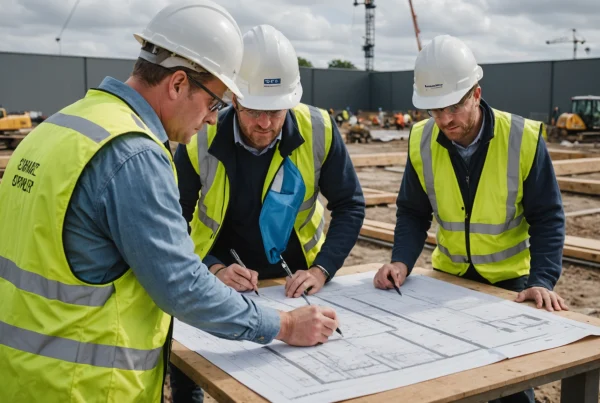
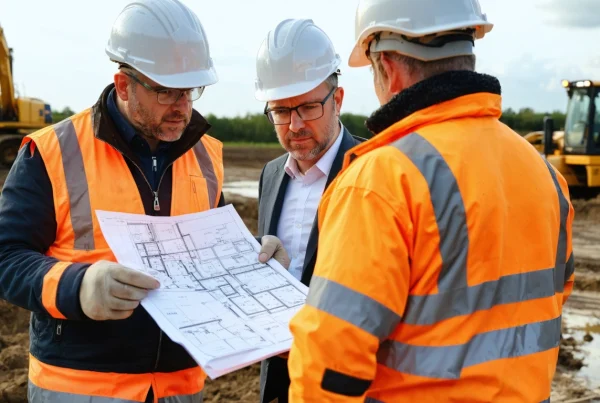
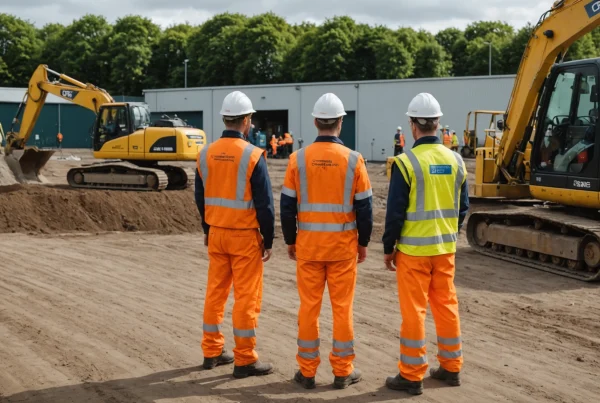
Before permanent construction can begin, a site must be made safe, stable and accessible. Groundworks, temporary and permanent utilities, and access roads create the conditions in which people, plant and materials can move efficiently. When these enabling works are properly planned, they reduce disruption, control risk and protect the wider construction programme.
Although enabling works may appear secondary to the finished asset, they often determine how smoothly every subsequent phase will progress. Early decisions about excavation, drainage, service routes and vehicle access can influence project cost, productivity, environmental performance and site safety.
Why early site preparation shapes project delivery
Ground conditions affect almost every element of civil engineering construction. Before excavation begins, project teams need to understand the site geology, groundwater levels, existing structures, buried services and potential contamination. Information from surveys and ground investigations helps engineers select appropriate methods for earthworks, temporary support, dewatering and soil improvement.
A coordinated enabling works strategy converts this information into a practical sequence of activities. It identifies which areas must be cleared first, where materials can be stored, how excavated soil will be managed and when access is required for specialist equipment. This sequencing is particularly important on constrained sites, where several contractors may need to work within limited space.
Clearing, excavation and earthworks
Initial groundworks may include vegetation clearance, demolition, topsoil stripping, excavation and the formation of working platforms. Each activity must account for site levels, soil characteristics and the proposed construction sequence. Removing too much material can create unnecessary disposal costs, while inadequate excavation may leave unsuitable ground beneath roads, foundations or compounds.
Earthworks balancing can reduce both cost and environmental impact. Where technically suitable, excavated material may be processed and reused as engineered fill elsewhere on the site. This approach requires careful classification, moisture control, compaction testing and quality assurance to confirm that the reused material meets the required performance criteria.
Drainage and groundwater control
Water management should begin before permanent drainage systems are available. Temporary ditches, settlement ponds, pumps and diversion channels can prevent excavations from flooding and reduce damage to unfinished surfaces. Effective controls also limit the movement of silt and pollutants beyond the site boundary.
Groundwater can present additional challenges, especially where deep excavations or below ground structures are planned. Dewatering methods must be selected with care because lowering the water table may affect nearby buildings, utilities or environmentally sensitive areas. Monitoring provides evidence that the chosen approach is working without causing unacceptable movement or settlement.
Coordinating utilities before construction intensifies
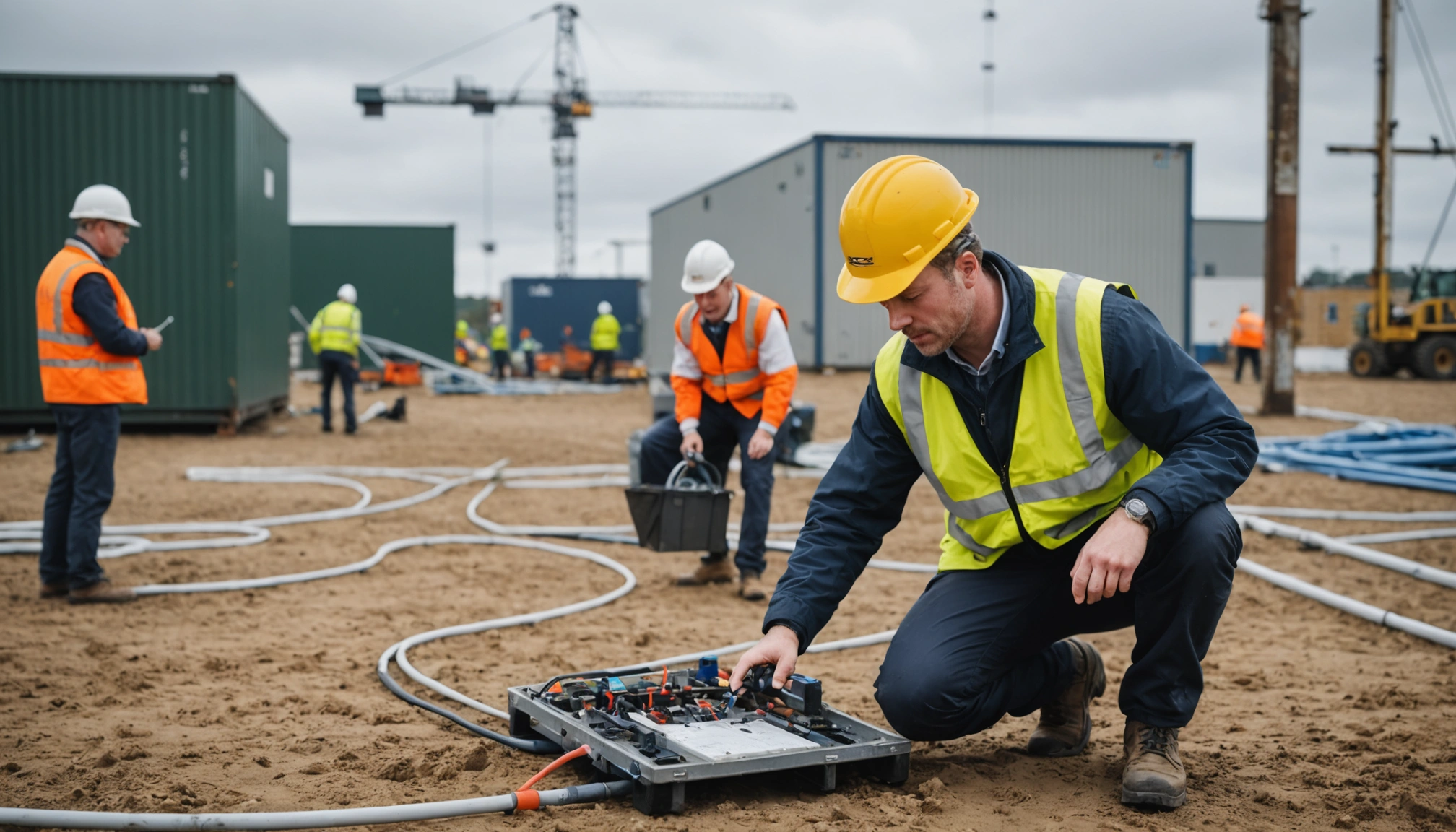
Construction sites depend on reliable supplies of electricity, water, communications and, in some cases, gas or specialist services. Temporary utilities support welfare facilities, lighting, security systems, pumping equipment and construction plant. Permanent utility installations may also need to begin early when connection lead times are long or when service corridors pass beneath future structures and roads.
Utility planning must be coordinated with the site layout and construction programme. Poorly positioned services can obstruct crane pads, piling operations, drainage runs or material storage areas. A shared utility plan helps designers and contractors identify crossings, maintain safe separation distances and reserve space for inspection, maintenance and future expansion.
Locating and protecting existing services
Existing utility records provide a useful starting point, but they should not be treated as definitive. Site teams commonly use detection surveys, visual inspections and carefully controlled trial excavations to confirm the position and depth of buried assets. Findings should be recorded accurately so that excavation permits and method statements reflect actual site conditions.
Where services must remain operational, protection measures may include barriers, marker posts, load spreading systems or restrictions on excavation and plant movement. If diversion is necessary, the work must be coordinated with asset owners and affected users. Allowing sufficient time for approvals, shutdowns and testing can prevent utility activities from delaying the main works.
Designing resilient temporary supplies
Temporary utility networks should be designed for changing demand as the project develops. Early site cabins may require modest capacity, while later phases can introduce tower cranes, treatment equipment, extensive lighting and larger welfare compounds. Estimating peak demand helps avoid overloaded systems, unplanned outages and repeated upgrades.
Resilience is also important for safety critical operations. Backup power, protected distribution routes and clearly identified isolation points can reduce the consequences of a failure. Regular inspection and maintenance ensure that temporary installations continue to perform safely throughout construction.
Creating access roads that support safe and efficient logistics
Access roads connect the public highway to work areas, compounds, storage zones and emergency routes. Their design should reflect the vehicles expected throughout the project, including delivery lorries, mobile cranes, concrete wagons, low loaders and emergency vehicles. Routes that are suitable for early site traffic may require strengthening or widening as construction activity increases.
Road planning should consider gradients, turning radii, visibility, passing places and clearance from excavations or overhead services. Entrances must also allow vehicles to enter and leave without creating unacceptable risks for other road users. On busy or constrained sites, separate pedestrian routes and controlled crossing points can reduce interaction between people and moving plant.
Temporary road construction and maintenance
A temporary road must distribute vehicle loads without excessive rutting, settlement or loss of traction. Typical construction may include geotextile separation, granular capping and compacted aggregate layers placed over prepared formation. The required thickness depends on ground strength, axle loads, traffic frequency, drainage and the intended service life.
Weak or variable ground may need stabilisation, reinforcement grids or local excavation and replacement before road construction. Working platforms for cranes and piling rigs require particular attention because bearing failure or differential settlement can have serious consequences. Platform design, installation and verification should therefore follow defined loading assumptions and inspection procedures.
Maintenance should be planned rather than treated as an occasional response to deterioration. Regular grading, pothole repairs, drainage clearance and aggregate replacement help preserve safe access. Dust suppression may be required during dry weather, while winter arrangements can include gritting, snow clearance and additional lighting.
Managing interfaces with public roads
Construction traffic can affect highway capacity, nearby communities and vulnerable road users. A traffic management plan can define approved routes, delivery hours, vehicle restrictions and procedures for abnormal loads. Where access visibility is limited, temporary signals, signage, marshals or junction improvements may be necessary.
Wheel washing and road sweeping prevent mud and debris from being carried onto public roads. Site entrances should also provide enough internal space for vehicles to wait without obstructing the highway. Booking systems can spread deliveries across the working day and reduce queues during periods of high activity.
Integrating logistics with the construction programme
Enabling works are most effective when they are planned around the sequence of the main works. Access that is adequate for survey crews may not support heavy lifting operations, while a utility route installed too early may be damaged by later excavation. Linking enabling activities to programme milestones helps teams provide the right capacity at the right time.
Phased logistics plans can show how roads, compounds, laydown areas and pedestrian routes will change as the site develops. They should identify when temporary facilities will be relocated, when permanent roads can be brought into use and which routes must remain available for emergency access. This approach is particularly useful where completed sections are handed over while construction continues elsewhere.
Delivery, storage and lifting zones
Materials should be delivered as close as practical to their point of use without blocking traffic routes or creating excessive handling. Designated unloading areas need stable surfaces, adequate lighting and sufficient space for vehicles and lifting equipment.
Storage conditions vary according to the material. Pipes may need chocking and segregation by size, electrical equipment may require dry secure storage, and aggregates may need containment to prevent contamination or mixing.
Separating vehicles and pedestrians
Physical separation is preferable wherever vehicles and pedestrians share a site. Barriers, designated walkways, controlled gates and clearly marked crossings establish predictable movement patterns. Welfare units, parking areas and work fronts should be positioned so that workers do not need to cross haul routes unnecessarily.
Where interaction cannot be avoided, controls may include speed limits, one way systems, reversing restrictions and trained vehicle marshals. Lighting and signage must remain effective as routes change.
Controlling environmental and community impacts
Groundworks and road construction can generate noise, vibration, dust, silt and large volumes of vehicle movement. Controls should be based on the site setting, nearby receptors and consent requirements.
Dust can be reduced through dampening, covered loads, lower vehicle speeds and prompt treatment of exposed surfaces. These measures should be applied carefully to avoid creating excessive runoff or slippery roads.
Managing soil, waste and contamination
A materials management plan can define how soil is excavated, tested, stored, reused or removed. Separate stockpiles help preserve different material classifications and prevent clean soil from becoming mixed with unsuitable or contaminated material.
Unexpected contamination requires a controlled response. Work should stop in the affected area while the material is assessed and appropriate handling measures are established. Personnel may need additional protective equipment, and contaminated water or soil may require specialist treatment and disposal.

Protecting water and ecology
Fuel storage, refuelling and plant maintenance should take place in controlled areas with suitable containment and spill response equipment. Drainage routes must be understood so that a release can be isolated before it reaches a watercourse or surface water system.
Vegetation clearance and earthworks may also need to account for protected species, nesting periods and retained habitats. Clearly marked exclusion zones reduce accidental disturbance. Where temporary crossings pass near sensitive areas, route selection and construction methods should minimise land take, lighting spill and sediment movement.
Assurance, inspection and change control
Quality assurance confirms that enabling works provide the performance assumed by designers and construction teams. Inspection and test plans may cover formation approval, fill placement, compaction, road layer thickness, drainage gradients, utility pressure testing and electrical certification.
Survey control is essential for verifying levels, boundaries and service positions. Accurate as built information reduces the risk of later clashes and supports safe maintenance.
Responding to changing site conditions
Ground conditions often vary from those indicated by investigation data. Soft spots, obstructions, unrecorded services or unexpected groundwater may require a revised method. A clear change process allows site teams to pause, obtain engineering input and document an approved solution before continuing.
Temporary works should also be reviewed when loading or use changes. A haul road designed for standard deliveries may not be suitable for an abnormal load, and a working platform may require reassessment if heavier plant is introduced.
Monitoring performance throughout construction
Routine inspections can identify blocked drainage, damaged service protection, road settlement and failing edge restraints before they disrupt operations. Monitoring frequency should reflect risk, traffic intensity and weather conditions.
Useful indicators include road repair frequency, utility interruptions, delivery waiting times, environmental incidents and excavation related service strikes. Reviewing this information helps the project team target improvements and determine whether temporary infrastructure has sufficient capacity for upcoming phases.
Transitioning from temporary works to permanent infrastructure
Some enabling works are removed at the end of construction, while others are incorporated into the completed asset. This distinction should be established during design.
Temporary utilities must be isolated and removed safely once permanent supplies are commissioned. Redundant cables, pipes, chambers and supports should not be left in locations where they could obstruct future maintenance or create uncertainty.
Reinstatement and demobilisation
Demobilisation can involve removing compounds, breaking out hardstanding, filling temporary drainage features and restoring soil profiles. Compacted ground may need loosening before topsoil placement and landscaping.
A planned handover should include as built surveys, test certificates, inspection records, operating information and details of residual risks. Completing these tasks progressively is more reliable than attempting to reconstruct records after the site has changed.
Delivering enabling works as an integrated system
Groundworks, utilities and access roads are closely connected. Drainage affects road performance, service routes influence excavation sequencing, and logistics requirements determine where working platforms and compounds are needed.
An integrated strategy brings together design, construction, logistics, temporary works, environmental management and utility coordination. When supported by accurate information, regular inspections and effective change control, enabling works provide a safe and dependable foundation for the entire project programme.