Have you ever wondered what keeps the iconic structures of the UK standing tall and proud? The secret lies beneath the surface, where strong foundations ensure everything from bridges to skyscrapers remains steadfast against the elements.
Understanding these foundations is crucial not only for engineers but for anyone interested in the resilience and longevity of our built habitat. They are the unsung heroes of construction,safeguarding our infrastructure and,ultimately,our way of life.

Understanding the Importance of Strong Foundations
Strong foundations support the UK’s architectural marvels. Engineers carefully design them to withstand both time and pressure. They use various materials, including concrete and steel, to ensure durability and stability.
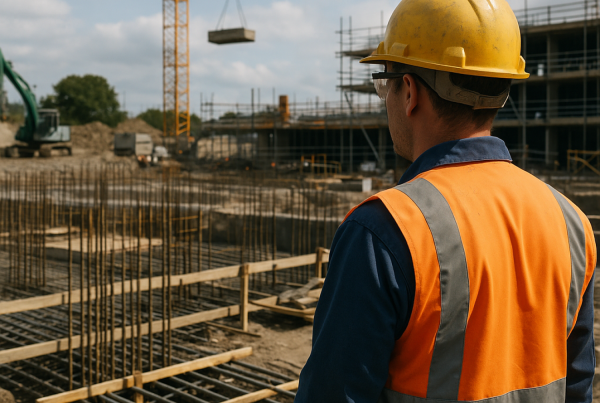
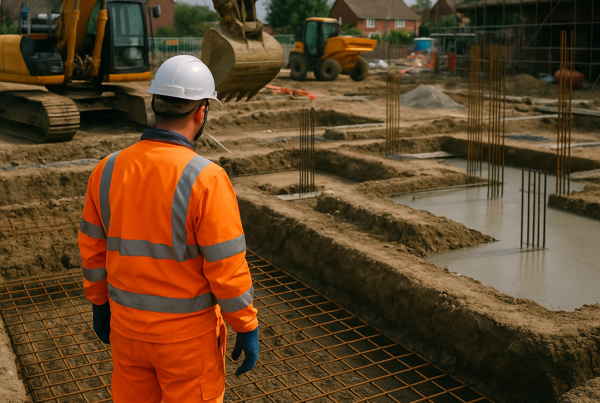
Engineers assess soil conditions before construction. this step determines the most suitable foundation type. They may choose shallow or deep foundations based on ground strength and building requirements. A thorough study prevents future issues.
Understanding soil behavior is crucial. Clay, sandand rock each respond differently to load. Engineers adapt their designs to these unique characteristics. Solid knowledge of geology aids in this complex process.
Consider the Shard in London. Engineers designed its foundation to reach deep into the ground. This ensures stability against London’s soft soil. Such careful planning protects the structure from shifting or settling.
For those interested in construction, remember the importance of site surveys.These surveys inform foundation design decisions. Understanding ground conditions can prevent costly mistakes and ensure safety.
Historical developments in UK Civil Engineering
During the Industrial Revolution,engineers laid the groundwork for modern civil engineering. They embraced new materials and techniques to address the unique challenges of urban expansion. Cast iron and steel revolutionised construction, allowing for more aspiring projects. These innovations paved the way for the impressive structures we see today.
Pioneers like Isambard Kingdom Brunel redefined engineering with bold projects. Brunel’s Clifton suspension Bridge exemplifies innovative design and engineering excellence. His work inspired future generations, demonstrating how thoughtful planning and execution led to enduring landmarks. Engineers continue to draw lessons from these historical achievements.
The post-war era marked meaningful advancements. Engineers responded to housing shortages by experimenting with prefabricated materials. This approach accelerated construction and reduced costs. It also introduced new foundation techniques, ensuring fast and stable building processes. Lessons from this period continue to influence modern practices.
The 20th century saw the rise of skyscrapers in the UK. Engineers faced the challenge of supporting taller structures on varied soil types. they developed advanced piling techniques to secure these towering buildings. This innovation highlighted the importance of adapting foundational methods to suit different environments.
Today,sustainability shapes foundation design. Engineers incorporate eco-friendly practices, reducing environmental impact. They explore recycled materials and innovative technologies like geothermal systems. These efforts ensure that modern foundations not only support structures but also protect the planet.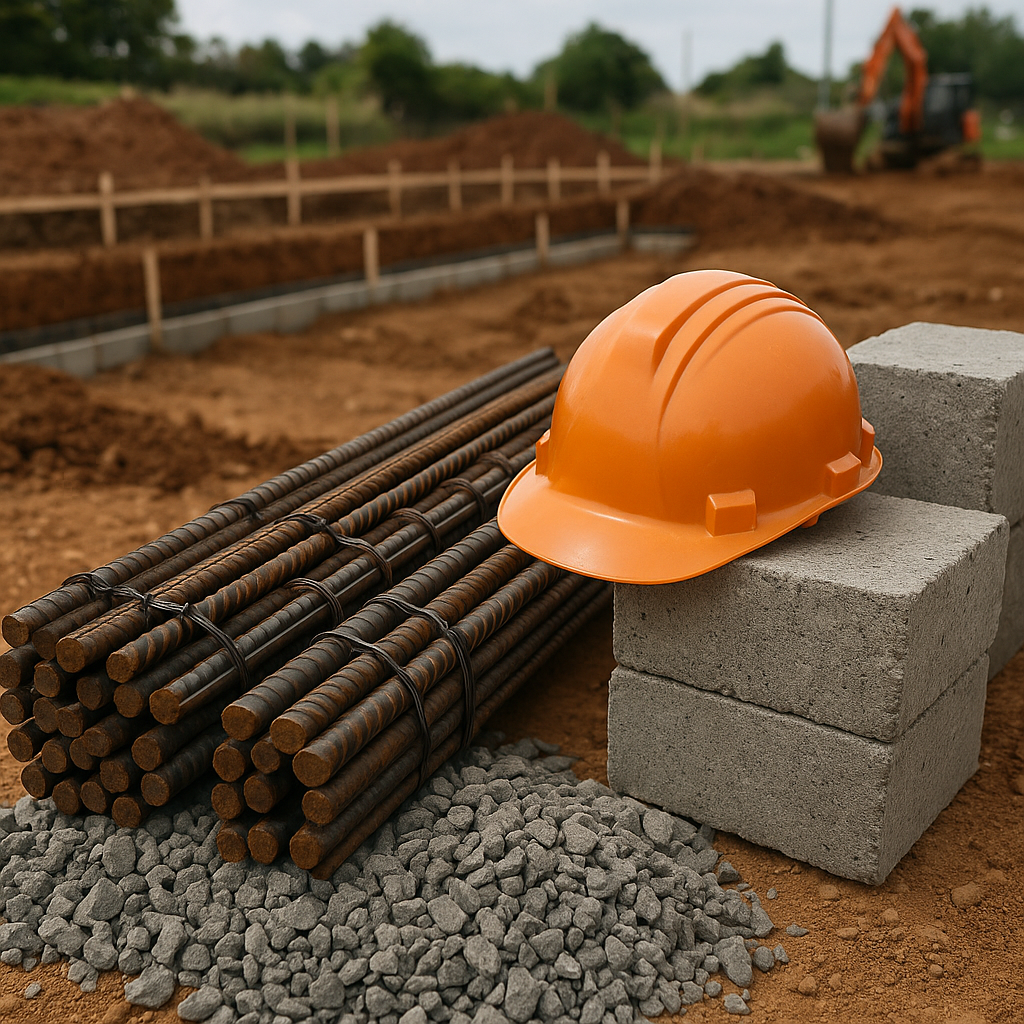
key Materials Used in Foundation Construction
Concrete is a staple in foundation construction across the UK. Its strength and durability make it ideal for supporting heavy loads. Engineers frequently enough mix it with aggregates for added stability and resistance to environmental factors.
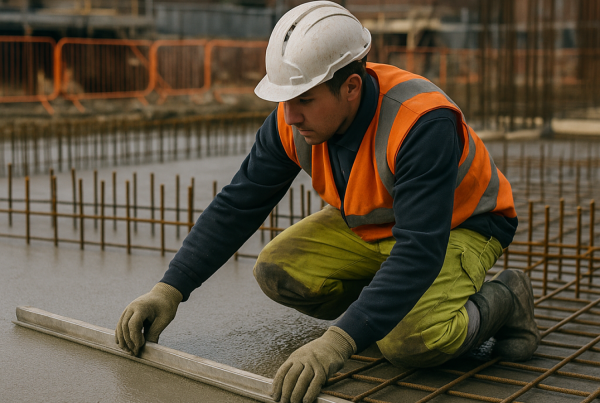
Steel plays a crucial role in reinforcing concrete foundations. It provides tensile strength, preventing cracking and bending. engineers use steel bars or mesh to ensure the foundation withstands various stresses over time. This combination enhances structural integrity.
Brick and stone are traditional materials with a long history in UK construction. they offer excellent compressive strength, making them suitable for low-rise buildings and historical restorations. Their aesthetic appeal also complements many architectural styles.
Modern advancements have introduced materials like geopolymers. These eco-friendly alternatives to traditional cement reduce carbon emissions. Engineers consider them for projects prioritising sustainability. geopolymers offer comparable strength, making them a viable option for future developments.
Understanding the properties of each material is key. It ensures engineers select the right combination for specific projects. This careful consideration helps maintain the longevity and safety of the UK’s infrastructure.
Innovative Techniques in Foundation Design
Engineers use advanced technology to improve foundation design.Ground-penetrating radar helps identify underground obstacles. This technology provides detailed images of subsurface conditions,allowing engineers to plan more effectively and avoid costly surprises during construction.
3D modelling software revolutionises foundation design. Engineers create detailed models to simulate different scenarios. This approach helps them identify potential issues early. It also allows for more precise planning and resource allocation, reducing waste and improving efficiency.
Vibratory hammers are another innovative tool. Engineers use them to drive piles into the ground with less noise and disruption. this method is particularly useful in urban areas, where minimising noise pollution is crucial for community well-being.
The use of smart sensors in foundations is growing. These sensors monitor structural health in real-time. Engineers can detect shifts or stresses early, allowing for prompt maintenance. This proactive approach extends the life of structures and improves safety.
modular foundations offer a flexible solution. Engineers pre-fabricate sections off-site. They then assemble them quickly on location. This method reduces construction time and minimises environmental impact, making it an attractive option for sustainable building projects.
Challenges Faced in Foundation Engineering
Foundation engineering in the UK faces numerous challenges.Soil variability is a significant issue. Engineers frequently enough deal with unpredictable soil conditions.They must adapt their designs to suit different environments,ensuring stability and safety.
Urban expansion presents another challenge. Engineers work in densely populated areas with limited space. They must minimise disruptions to existing structures and communities. Innovative techniques like vibratory hammers help reduce noise and vibration during construction.
Weather conditions can also complicate foundation projects. Heavy rainfall or freezing temperatures affect soil behaviour. Engineers must plan for these variables, choosing materials and methods that withstand harsh weather and prevent damage over time.
Engineers must consider environmental regulations. Sustainable practices are increasingly crucial. They explore eco-friendly materials and methods, balancing structural needs with environmental impact. This approach ensures compliance and supports long-term ecological health.
cost management is crucial. Projects must stay within budget while meeting safety standards. Engineers carefully plan resource allocation and use technology to optimise designs. This careful management prevents overspending and ensures project success.
Future trends in Foundation Technology
In the coming years, foundation technology will continue to evolve significantly. Engineers are experimenting with self-healing concrete. This material repairs its own cracks, increasing the lifespan of structures and reducing maintenance costs. It holds the potential to transform the durability of UK infrastructure.
Engineers are also exploring the use of artificial intelligence in foundation design. AI algorithms analyze vast amounts of data to optimise designs. This technology helps identify the best materials and methods for specific projects. It enhances precision and efficiency in construction processes.
Augmented reality is becoming a valuable tool in construction. Engineers use AR to visualise complex foundation designs on-site. This technology aids in accurate execution and allows for real-time adjustments. it bridges the gap between digital plans and physical construction.
The adoption of drones is on the rise. They conduct aerial surveys, providing detailed site data. Engineers use this data to plan foundations more effectively. Drones save time and improve accuracy by capturing areas that are difficult to access.
the focus on sustainability will grow. Engineers will increasingly use recycled materials in foundation construction. These materials reduce environmental impact while maintaining structural integrity. This trend aligns with the UK’s commitment to sustainable development and environmental responsibility.
Key takeaways
In the UK, civil engineering thrives on the strength and reliability of its foundations. These solid bases support the nation’s infrastructure, ensuring safety and functionality in every project. By focusing on robust groundwork, engineers can create resilient structures that withstand time and nature.
To enhance future construction, professionals should prioritise thorough site assessments. Understanding the unique characteristics of each location allows for better planning and execution. this careful readiness ensures long-lasting and dependable infrastructure across the country.