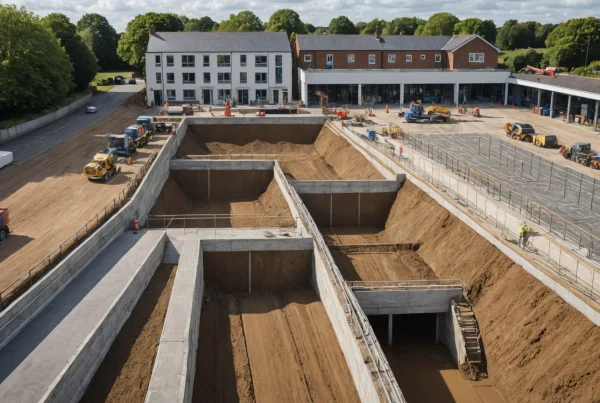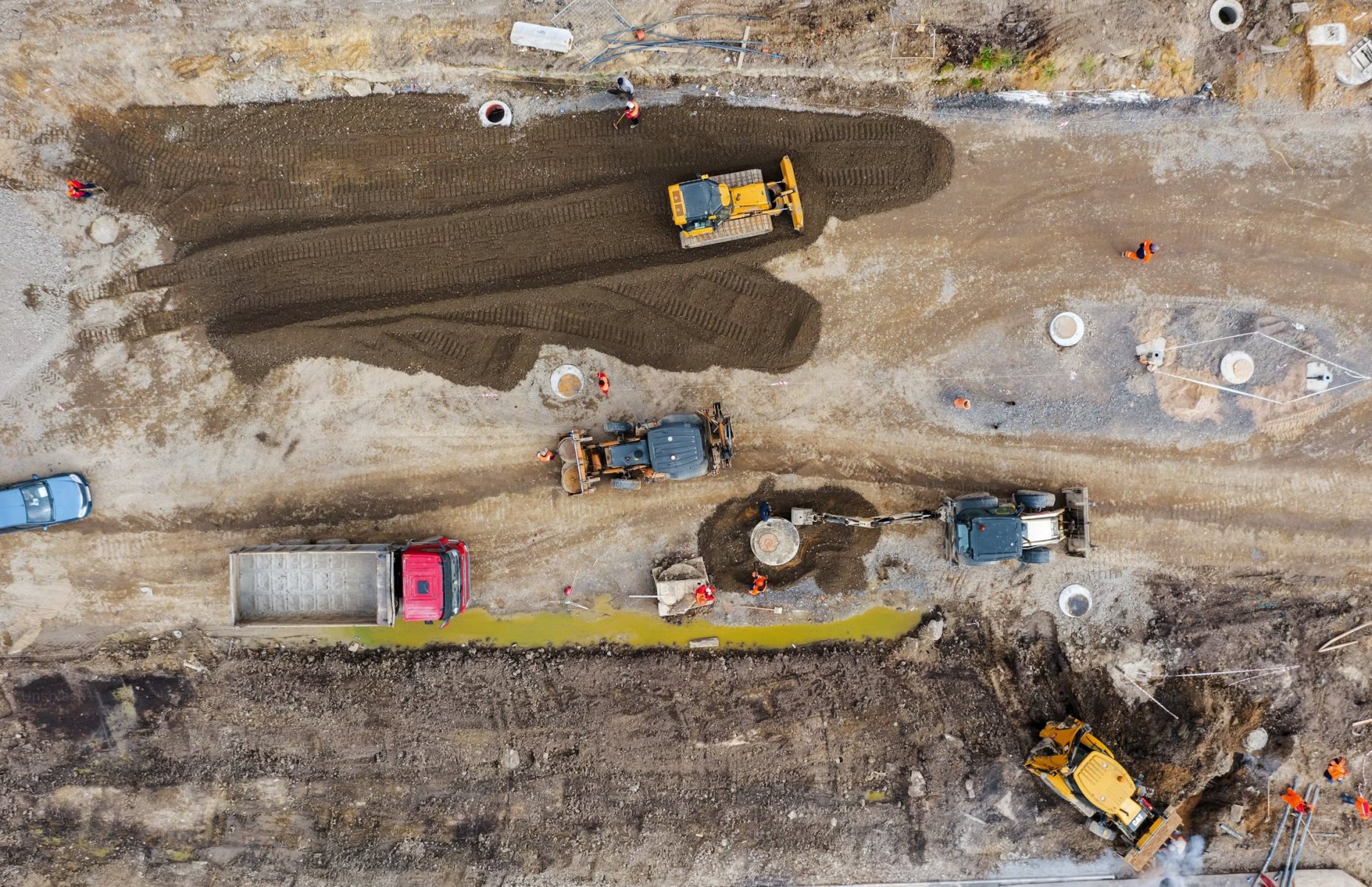
When embarking on a construction project, whether it’s a residential home or a commercial building, the significance of thorough preparation cannot be overstated.
One of the most critical steps in this preparatory phase is soil testing.Understanding the quality and characteristics of the soil on which a structure will stand is vital for the stability and longevity of the building. The importance of soil testing before laying foundations is rooted in ensuring safety,compliance with building codes, and the overall success of the construction project.
Understanding Soil Composition and Its Impact on Construction
Soil is a complex material composed of minerals organic matter, water and air. These components vary significantly from one location to another, affecting the soil’s physical and chemical properties. The type of soil found on a construction site can greatly influence the design and type of foundation required.For instance, clay soils can expand and contract with moisture changes, leading to potential structural issues if not properly accounted for. Conversely, sandy soils drain well but may lack the stability required to support a heavy structure. This variability highlights the importance of soil testing before laying foundations, as it provides essential data that informs the engineering and architectural decisions that follow.
Identifying Potential Hazards Through Soil testing
Soil testing plays a crucial role in identifying potential hazards that could compromise the integrity of a building. One common issue is soil bearing capacity, which refers to the ability of the ground to support the loads applied by a structure. If the soil cannot support the weight, it may lead to foundation settlement or even collapse. Additionally, soil testing can reveal the presence of contaminants or pollutants that might not only affect the construction process but also pose health risks to future occupants. By conducting comprehensive soil analysis, engineers can design foundations that mitigate these risks, ensuring both safety and compliance with environmental regulations.
Tailoring Foundation Designs to Site-Specific Conditions
The results of soil testing provide architects and engineers with invaluable insights that guide the design of foundations tailored to the specific conditions of a site. This customisation is essential because a one-size-fits-all approach to foundation design can lead to meaningful problems down the line. For example, if soil testing reveals a high water table, a drainage system may need to be incorporated into the foundation design to prevent water damage. Similarly, if the soil is prone to erosion, additional stabilisation measures might be necessary. By adapting the foundation design to the specific conditions revealed by soil testing, construction professionals can enhance the durability and performance of the structure.
Ensuring Compliance With Building Codes and Standards
Building codes and standards are established to ensure the safety and reliability of structures. Soil testing is frequently enough a mandatory requirement for compliance with these regulations. Failing to conduct soil tests can lead to non-compliance, resulting in legal and financial repercussions, including delays in construction and additional costs for redesigning foundations. Also, adherence to building codes through proper soil testing ensures that structures are built to withstand environmental stresses such as earthquakes, floods or heavy winds, which are critical considerations in regions prone to such events.
Cost Implications and Long-Term Benefits of Soil Testing
While some may view soil testing as an additional upfront cost, it is a crucial investment that can save money in the long run. Identifying potential issues before construction begins can prevent costly repairs and modifications after the building is completed.Additionally, a well-designed foundation based on accurate soil data can enhance the structure’s lifespan, providing long-term value to property owners. The importance of soil testing before laying foundations is thus underscored by its potential to minimise unforeseen expenses and contribute to the overall financial feasibility of a construction project.
A Necessary Step for Prosperous Construction
the importance of soil testing before laying foundations cannot be overstated.It is indeed a basic step in the construction process that ensures the stability, safetyand longevity of a building. By understanding the unique characteristics of the soil, identifying potential hazardsand tailoring foundation designs accordingly, construction professionals can avoid costly setbacks and ensure compliance with building codes. Ultimately, soil testing is not just about compliance or risk mitigation; it is about laying a solid foundation for success, both literally and figuratively. As such, it should be considered an indispensable part of any construction project.
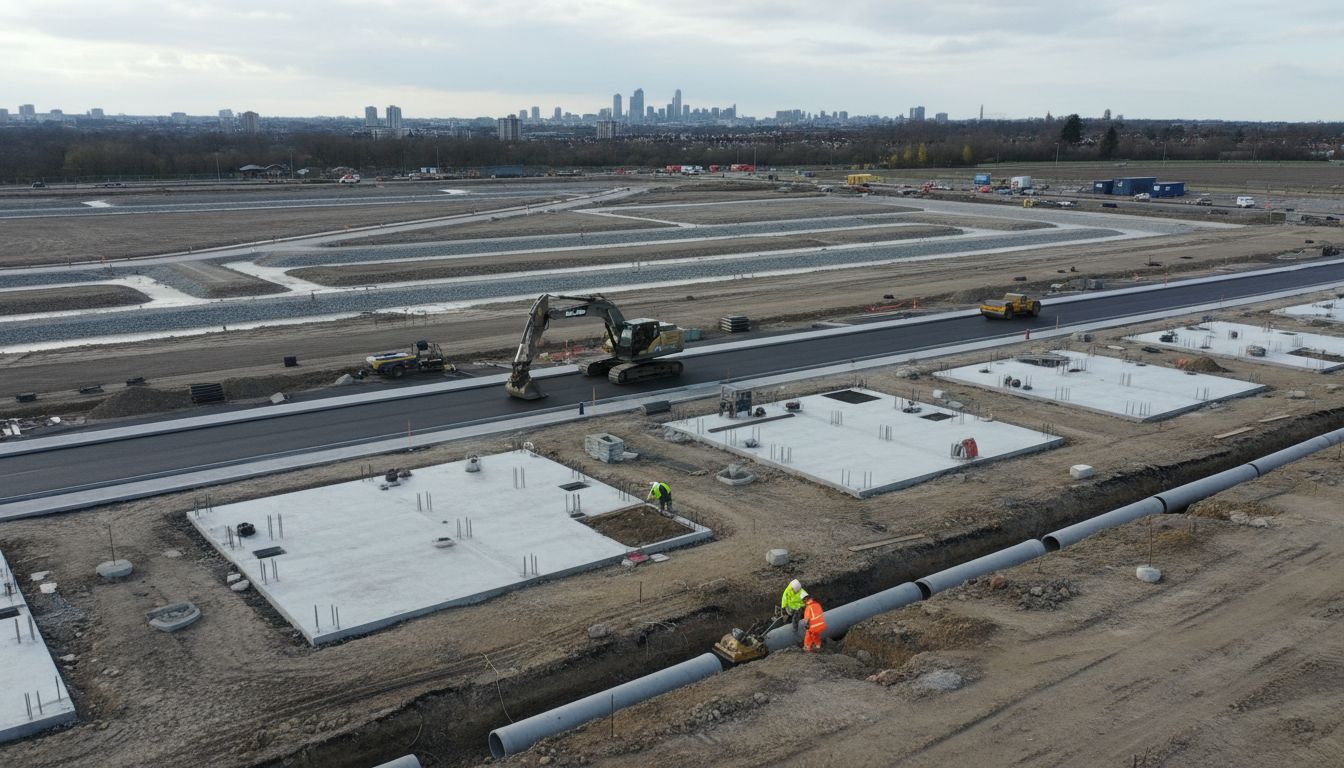
When embarking on a construction project, whether it’s a residential home or a commercial building, the significance of thorough preparation cannot be overstated. One of the most critical steps in this preparatory phase is soil testing. Understanding the quality and characteristics of the soil on which a structure will stand is vital for the stability and longevity of the building. The importance of soil testing before laying foundations is rooted in ensuring safety, compliance with building codesand the overall success of the construction project.
Soil is a complex material composed of minerals organic matter, water, and air. These components vary significantly from one location to another, affecting the soil’s physical and chemical properties. The type of soil found on a construction site can greatly influence the design and type of foundation required. For instance, clay soils can expand and contract with moisture changes, leading to potential structural issues if not properly accounted for. Conversely, sandy soils drain well but may lack the stability required to support a heavy structure.This variability highlights the importance of soil testing before laying foundations, as it provides essential data that informs the engineering and architectural decisions that follow.
The importance of soil testing
Soil testing plays a crucial role in identifying potential hazards that could compromise the integrity of a building. One common issue is soil bearing capacity, which refers to the ability of the ground to support the loads applied by a structure. if the soil cannot support the weight, it may lead to foundation settlement or even collapse. Additionally,soil testing can reveal the presence of contaminants or pollutants that might not only affect the construction process but also pose health risks to future occupants. By conducting comprehensive soil analysis, engineers can design foundations that mitigate these risks, ensuring both safety and compliance with environmental regulations.
The results of soil testing provide architects and engineers with invaluable insights that guide the design of foundations tailored to the specific conditions of a site. This customisation is essential as a one-size-fits-all approach to foundation design can lead to significant problems down the line. Such as, if soil testing reveals a high water table, a drainage system may need to be incorporated into the foundation design to prevent water damage. Similarly, if the soil is prone to erosion, additional stabilisation measures might be necessary. By adapting the foundation design to the specific conditions revealed by soil testing, construction professionals can enhance the durability and performance of the structure.
Building codes and standards
Building codes and standards are established to ensure the safety and reliability of structures. Soil testing is often a mandatory requirement for compliance with these regulations. Failing to conduct soil tests can lead to non-compliance, resulting in legal and financial repercussions, including delays in construction and additional costs for redesigning foundations. Moreover, adherence to building codes through proper soil testing ensures that structures are built to withstand environmental stresses such as earthquakes, floods or heavy winds, which are critical considerations in regions prone to such events.
While some may view soil testing as an additional upfront cost, it is indeed a crucial investment that can save money in the long run. Identifying potential issues before construction begins can prevent costly repairs and modifications after the building is completed. Additionally, a well-designed foundation based on accurate soil data can enhance the structure’s lifespan, providing long-term value to property owners. The importance of soil testing before laying foundations is thus underscored by its potential to minimise unforeseen expenses and contribute to the overall financial feasibility of a construction project.
The importance of soil testing before laying foundations cannot be overstated. It is a fundamental step in the construction process that ensures the stability, safety and longevity of a building. By understanding the unique characteristics of the soil, identifying potential hazards and tailoring foundation designs accordingly, construction professionals can avoid costly setbacks and ensure compliance with building codes. Ultimately, soil testing is not just about compliance or risk mitigation; it is about laying a solid foundation for success, both literally and figuratively. As such, it should be considered an indispensable part of any construction project.