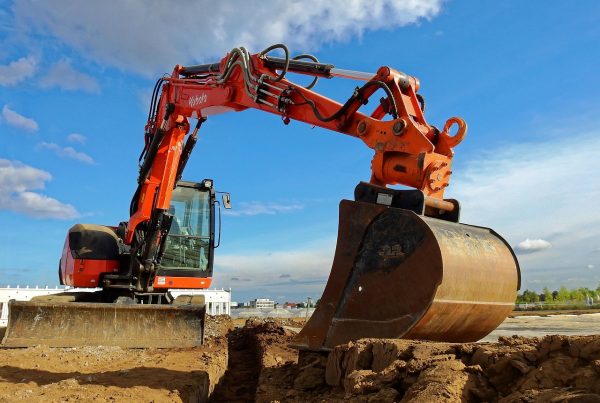
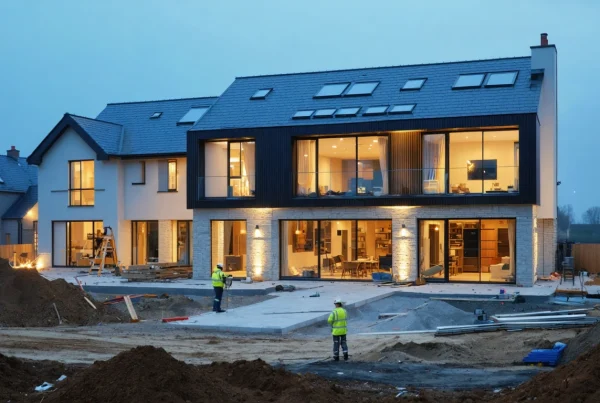
A quiet construction market gives you more choice when procuring groundworks, but it does not automatically deliver better value. An attractive opening price can still become an expensive final account if the tender leaves too much unresolved.
I would use the extra competition to make the work easier to price, compare and deliver, not simply push every bidder towards the lowest number. These ten steps help turn buying power into genuine savings.
1. Close the information gaps before asking for sharper prices
My first question would not be, “How much can we take off?” It would be, “What are we asking contractors to guess?” Groundworks prices are particularly sensitive to uncertainty beneath the surface.
When information is missing, one bidder might include a risk allowance, another might qualify its price, and a third might exclude the issue altogether.
Give bidders a consistent basis for pricing
Before issuing the enquiry, check that your tender pack covers:
- Ground investigation: relevant reports, available interpretative advice and any further investigation required.
- Coordinated drawings: current foundation, drainage and external works information, with revisions identified.
- Services: utility records, survey findings and responsibility for detection or trial holes.
- Earthworks: proposed levels, reuse criteria, testing and the basis for assessing disposal.
- Site constraints: access, working hours, storage, neighbours and interfaces with other trades.
- Scope boundaries: responsibility for setting out, temporary works design, testing, permits and approvals.
You cannot eliminate every uncertainty before tender. Where something remains open, request a defined pricing assumption, an appropriate provisional allowance or measurable rates.
Use bidders’ available capacity for a focused site visit and resolve queries before the return date. Share material clarifications with every tenderer so nobody gains an accidental information advantage.
2. Compare the likely outturn cost, not just the tender total
The cheapest groundworks tender is only the cheapest if it covers what you need. I would spend more time aligning scope than ranking first-page totals.
Ask contractors to return the same pricing schedule, with qualifications, exclusions and assumptions identified separately. This makes differences visible before negotiation starts.
Build a comparison around the cost drivers
- Excavation and disposal: check quantities, measurement rules, material classifications, haulage and applicable disposal charges.
- Imported materials: confirm specifications, quantities, delivery allowances and pricing validity periods.
- Groundwater: establish the pumping or dewatering provision and responsibility for additional measures.
- Preliminaries: compare supervision, welfare, plant, mobilisation and assumed site duration.
- Testing and handover: check compaction tests, drainage inspections, surveys and as-built records.
- Programme: confirm start dates, sequences, access dependencies and allowances for multiple visits.
Keep submitted prices separate from your comparison adjustments. If you add an allowance for an exclusion, label it as your estimate, not an agreed contractor price.
Check how the bidder intends to resource the work too. Spare capacity is useful when it means an available supervisor, suitable gang and reliable plant. A low price proves none of those things.
3. Offer programme flexibility where it genuinely saves money
A contractor may have gaps between committed projects. Filling one can unlock a saving without squeezing rates below a sustainable level.
Useful flexibility is not the same as an uncertain start. A confirmed alternative date helps allocate labour and plant. A vague promise that the site will be ready next month does not.

Price the options rather than guessing the benefit
Ask for a compliant programme and a separately priced alternative. Options might include starting later, completing drainage continuously or handing over larger work areas.
Finishing below-ground drainage before another trade occupies the area could reduce protection, repeat visits and plant movements. Weigh that saving against the wider construction programme, including any additional costs elsewhere.
Record agreed access dates, work areas and dependencies in the contract. If the price assumes uninterrupted possession, define that clearly rather than leaving the site team to interpret it.
4. Invite value engineering without weakening the specification
I see good value engineering as removing unnecessary cost while preserving performance. It is not a polite name for using cheaper materials and hoping nobody notices.
Ask tenderers to price the specified solution first and submit alternatives separately. Otherwise, you risk comparing different designs without realising it.
Make each alternative easy to assess
For each proposal, request:
- The saving: shown separately from the base tender.
- The technical change: including affected drawings, specifications and interfaces.
- The approval route: identifying designer, client, warranty provider or adopting authority acceptance required.
- Wider consequences: design fees, maintenance, testing and programme effects.
- Responsibility: who designs, checks and warrants the revised solution.
A different drainage arrangement might reduce excavation depth but introduce maintenance or adoption issues. Changing foundation construction could require structural redesign.
Get technical acceptance and update the contractual scope before the affected work starts. An informal agreement between buyer and contractor is not enough.
5. Challenge the earthworks and disposal strategy
Excavated material is an obvious place to look for meaningful savings. Double handling, unnecessary imports and exporting material that could lawfully and technically remain on site can undermine competitive rates.
The answer is not to assume everything can be reused. Establish what material will arise, whether it meets engineering requirements and what environmental controls apply.
Ask for a practical materials plan
Request excavation quantities, proposed reuse, stockpile locations, imported fill and off-site movements. Check whether quantities distinguish between in-situ, loose and compacted volumes.
Does the sequence make suitable material available when needed? Retaining it achieves little if storage is unsafe or poor handling and exposure make it unsuitable.
For exports, clarify waste classification, receiving facilities, haulage, applicable taxes and supporting records. Construction suitability and waste classification are separate questions. The government’s business waste guidance provides a useful starting point, although regulatory requirements vary across the UK.

Compare immediate export against managed stockpiling and reuse, including testing, handling, treatment and land occupation.
6. Package the work to reduce avoidable interfaces
Smaller orders can look competitive individually while creating duplicated mobilisation, supervision and temporary facilities. They can also leave expensive gaps between contractors.
I would review package boundaries before assuming more tenders mean better value. Excavation, drainage, foundations and external works often share plant, access and setting-out requirements.
Make responsibility at each boundary explicit
Take a drainage connection by a separate specialist. Who prepares and supports the excavation, manages groundwater, provides access and reinstates the surface?
Ask bidders to identify efficiencies from combining activities, then check their competence and capacity for the wider scope. A single point of responsibility only helps if the contractor can manage it.
Where packages stay separate, use a responsibility schedule. Agreeing boundaries before award is cheaper than paying two contractors to argue beside an open trench.
7. Agree rates and procedures for foreseeable change
Even a well-prepared tender cannot eliminate every unknown. Better value comes from agreeing how likely changes will be measured, authorised and valued.
Depending on the contract, clarify additional excavation, unsuitable material removal, extra fill, instructed service trial holes and extended pumping.
Define the measurement basis as well as the price
An excavation rate is little use if nobody knows whether it includes loading, haulage, disposal, support or backfilling. State conditions, units and inclusions, and check how the contract treats changes in quantities or working circumstances.
Establish who can instruct changes, which notices are required and what records support payment. For concealed work, timely photographs, surveys, delivery tickets and jointly agreed measurements can prevent later disputes.
Where dayworks are appropriate, agree labour, plant and material charging arrangements beforehand. Clarify what signing a daily record confirms. Acknowledging that resources attended site should not inadvertently settle whether the work was authorised or payable.
8. Use balanced payment terms as a commercial lever
If you want a contractor’s strongest sustainable price, consider the cost of doing business with you. Slow valuations, uncertain payment and disproportionate retention can increase financing costs.
I would ask whether clear, workable payment arrangements produce a better offer. That means straightforward valuation rules, application dates, payment timetables and supporting information, not paying ahead without protection.
Keep negotiated arrangements consistent with applicable construction payment legislation and the chosen contract. Retention, notices and materials payments need proper review, not improvisation during a discount discussion.
If advance payment is proposed to secure materials or capacity, assess that risk separately. Ownership, identification, insurance and suitable security may need attention. A modest discount is poor value if it exposes you to a much larger loss.

Make sure your own approval process can meet the timetable you offer. Promising faster payment without changing internal procedures helps nobody.
9. Check that the bidder can sustain the price
A quiet market creates buying opportunities, but it can also put contractors under financial pressure. I would want to know whether a keen tender reflects capacity, efficiency or unrealistic assumptions.
Ask the preferred bidder to explain significant anomalies. Unusually low disposal or supervision allowances deserve clarification, not automatic rejection. There may be a sound explanation, but it must fit the proposed method.
Look beyond the headline turnover
Proportionate checks should cover relevant experience, workload, financial standing, insurance, supply chain arrangements and the proposed team. Ask whether key plant is owned or hired and how specialists will be secured.
Pay particular attention to the supervisor and workforce. A business may have capacity on paper while its most suitable team is committed elsewhere.
Safety and quality belong in this assessment too. Cutting temporary works, competent supervision or specified testing is not an efficiency. It transfers cost and risk into construction, where both become harder to control.
10. Negotiate a clear final offer, then protect what you agreed
Once tenders are aligned, negotiate identifiable savings rather than an arbitrary percentage reduction. Explain where the offer needs improvement and request a revised submission against the agreed scope.
Keep the process fair and protect competitors’ confidential prices and proposals.
Turn negotiation into an agreed contract position
Bring the final agreement together in documents covering:
- Scope and price: accepted schedules, drawing revisions, inclusions and exclusions.
- Programme: start dates, access commitments, sequencing and mobilisation.
- Alternatives: accepted changes, approvals and design responsibilities.
- Uncertainty: provisional allowances, assumptions and measurement rules.
- Commercial procedures: payment, change control and records.
Resolve conflicting qualifications rather than attaching every email to the order. Check that the documents and their order of precedence reflect what both parties agreed.
Then brief the delivery team. If savings depend on clear access or continuous working, those conditions need protecting on site.
For me, better value in a quiet market means buying a deliverable package at a sustainable price. Use competition to remove uncertainty and waste, and the tender saving has a much better chance of surviving into the final account.