The Ultimate Guide too Groundworks in UK Construction
In the realm of construction, groundworks are the unsung heroes that lay the foundation for all that follows. Often overshadowed by the more visible stages of construction, groundworks are the essential starting point for any building project, ensuring stability and longevity. In the UK,where the climate and soil conditions vary significantly from one region to another,understanding the intricacies of groundworks is crucial for any triumphant construction project. This article, “The Ultimate Guide to Groundworks in UK Construction,” aims to demystify this critical phase and provide a comprehensive overview of what it entails.
Understanding the Basics of Groundworks
Groundworks refer to the initial phase of construction that prepares the site for building. This involves a series of tasks, including site clearance, excavationand the installation of essential infrastructure such as drainage systems and utilities. In the UK, groundworks must adhere to strict regulations to ensure safety and environmental protection. The process begins with a thorough site assessment, which evaluates the soil type, topography, and any potential hazards. This information is crucial for planning the excavation and ensuring that the foundation is laid on stable ground.
The importance of groundworks cannot be overstated. Properly executed, they prevent future structural problems such as subsidence and water damage. In the UK, where weather conditions can be unpredictable and harsh, ensuring that groundworks are done correctly is notably vital. The country’s varied landscape, from the chalky soils of the South Downs to the clay-rich grounds in other regions, requires tailored groundworks strategies to accommodate different conditions.
The Role of Site Clearance and Excavation
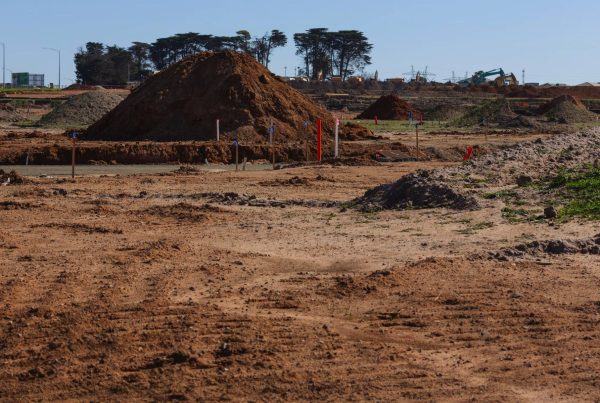
Site clearance is the first tangible step in the groundworks process.It involves removing any obstacles such as trees, bushes, and debris that could impede construction. This stage is crucial for creating a safe and efficient working environment. In urban areas, site clearance might also involve the demolition of existing structures, which must be done carefully to avoid damage to surrounding properties and to comply with local regulations.
Following site clearance, excavation begins. This involves digging down to a depth that provides a stable base for the foundation. The depth and type of excavation depend on the building design and the site’s characteristics.In some cases,specialist equipment may be required to handle difficult soil conditions or to reach the necessary depth. Proper excavation is critical, as it directly impacts the stability of the foundation and, consequently, the entire structure. In the UK, where soil types can vary significantly even within a small area, a detailed understanding of local geology is essential for successful excavation.
Installing drainage and Utilities
One of the most critical components of groundworks is the installation of drainage systems. In the UK, effective drainage is essential due to the high levels of rainfall in many regions. Proper drainage prevents water from accumulating around the foundation, which can lead to structural damage over time. The design of a drainage system must consider the site’s topography and the natural water flow to ensure that water is directed away from the building efficiently.
alongside drainage, the installation of utilities such as water, gasand electricity is a key part of the groundwork phase. These services must be carefully planned and installed to ensure they meet regulatory standards and provide reliable service to the building. In the UK, utility installation must comply with stringent safety standards to prevent accidents and ensure the long-term functionality of these essential services. Coordinating the installation of multiple utilities can be complex, requiring careful planning and communication between various contractors and service providers.
Laying the Foundation
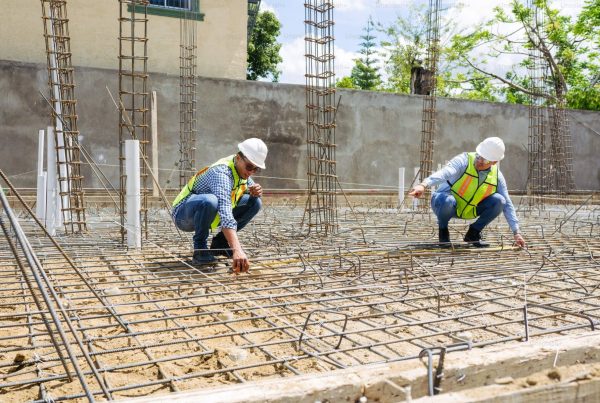
Once the site is cleared, excavated, and equipped with necessary utilities, the next step in groundworks is laying the foundation. This is arguably the most critical part of the process, as the foundation supports the entire structure. The type of foundation used depends on several factors, including the building’s design, the soil type, and the expected load. common types of foundations in UK construction include strip foundations,raft foundations,and pile foundations,each suited to different conditions and building requirements.
In the UK, where weather conditions can greatly impact construction, ensuring that the foundation is laid correctly is essential to prevent issues such as frost heave or water ingress. Careful attention to detail during this phase can prevent costly repairs and structural issues in the future.The foundation must be designed to accommodate the natural movement of the soil and to provide a stable base for the building, taking into account potential challenges such as varying soil types and moisture levels.
The Importance of Compliance and Safety
Compliance with building regulations and safety standards is a critical aspect of groundworks in UK construction. the construction industry is heavily regulated to ensure that buildings are safe, sustainableand environmentally amiable. Groundworks must adhere to these regulations to prevent legal issues and ensure the safety of both construction workers and future occupants of the building.
Safety is paramount throughout the groundworks process. From site clearance to foundation laying, each stage involves potential hazards that must be managed to prevent accidents. This includes ensuring that all equipment is in good working order, that workers are properly trainedand that the site is monitored for safety risks. In the UK, adherence to health and safety regulations is not just a legal requirement but a essential aspect of responsible construction practice.
Conclusion
Groundworks form the backbone of any construction project, providing the essential groundwork for everything that follows. In the UK, where the landscape and climate present unique challenges, understanding the intricacies of groundworks is vital for success. “The Ultimate Guide to Groundworks in UK Construction” highlights the importance of thorough site preparation, effective drainage and utility installation, and the laying of a stable foundation. These elements, combined with a commitment to compliance and safety, ensure that a construction project is built on solid ground, ready to withstand the test of time. Weather you’re a seasoned professional or a curious observer, appreciating the role of groundworks can provide valuable insight into the world of construction.
In the world of construction, groundworks often go unnoticed, overshadowed by the more visible aspects of building projects. Though, they are the essential starting point, laying a stable foundation upon which everything else is built. In the UK, the diverse climate and soil conditions make understanding groundworks a critical element of successful construction. This guide aims to unravel the complexities of this crucial phase, providing a comprehensive overview of what groundworks entail.
Groundworks mark the initial phase of any construction project, involving tasks like site clearance, excavationand the installation of drainage systems and utilities. In the UK, strict regulations govern these processes to ensure safety and environmental protection. The journey begins with a thorough site assessment, evaluating soil type, topographyand potential hazards. This information is vital for planning excavation and ensuring the foundation is laid on stable ground. Proper groundworks prevent structural problems such as subsidence and water damage, which is particularly important given the UK’s unpredictable weather and varied landscape.
Site clearance is the first tangible step in the groundworks process, involving the removal of obstacles like trees, bushesand debris. In urban settings, this might also include demolishing existing structures, a task that must be carefully managed to avoid damage to neighboring properties and comply with local regulations. Once the site is cleared, excavation begins. This involves digging to a depth that provides a stable base for the foundation, with the specifics depending on the building design and site’s characteristics. In the UK,where soil types can vary significantly even within a small area,understanding local geology is crucial for successful excavation.
Installing drainage and utilities is another critical component of groundworks. Effective drainage is essential in the UK due to high rainfall levels, preventing water from accumulating around the foundation and causing structural damage. the drainage system design must consider the site’s topography and natural water flow to ensure efficient water direction away from the building. Alongside drainage,utilities such as water,gas,and electricity must be carefully planned and installed to meet regulatory standards and provide reliable service. Coordinating these installations is complex and requires careful planning and communication among contractors and service providers.
Once the site is prepared and equipped with necessary utilities, laying the foundation is the next step. This phase is arguably the most critical, as the foundation supports the entire structure. Several factors influence the type of foundation used, including the building’s design, soil type, and expected load. Common foundation types in UK construction include strip foundations, raft foundationsand pile foundations, each suited to different conditions and building requirements. Ensuring the foundation is laid correctly is crucial to prevent issues such as frost heave or water ingress, especially given the UK’s variable weather conditions.
Compliance with building regulations and safety standards is vital in UK groundworks. The industry is heavily regulated to ensure buildings are safe, sustainableand environmentally friendly. Adhering to these regulations prevents legal issues and ensures the safety of construction workers and future occupants. Safety is paramount throughout the groundworks process, with each stage presenting potential hazards that must be managed to prevent accidents. this includes maintaining equipment, training workersand monitoring the site for safety risks.In the UK, compliance with health and safety regulations is not just a legal requirement but a fundamental aspect of responsible construction practice.
groundworks are the backbone of any construction project, providing the essential groundwork for everything that follows. In the UK, where landscape and climate present unique challenges, understanding groundworks’ intricacies is vital for success. This guide highlights the importance of thorough site preparation, effective drainage and utility installationand laying a stable foundation. Combined with a commitment to compliance and safety, these elements ensure a construction project is built on solid ground, ready to withstand the test of time. Whether you’re a seasoned professional or a curious observer, appreciating groundworks’ role provides valuable insight into the construction world.