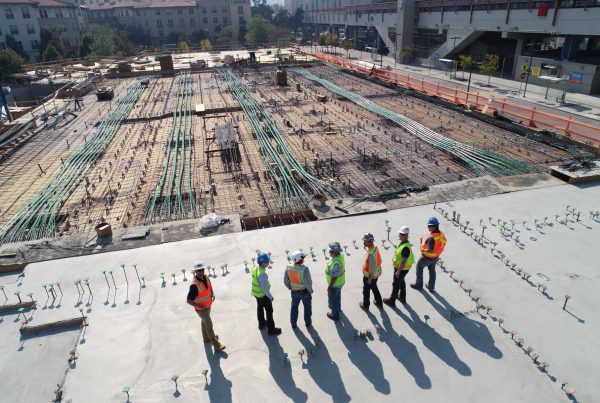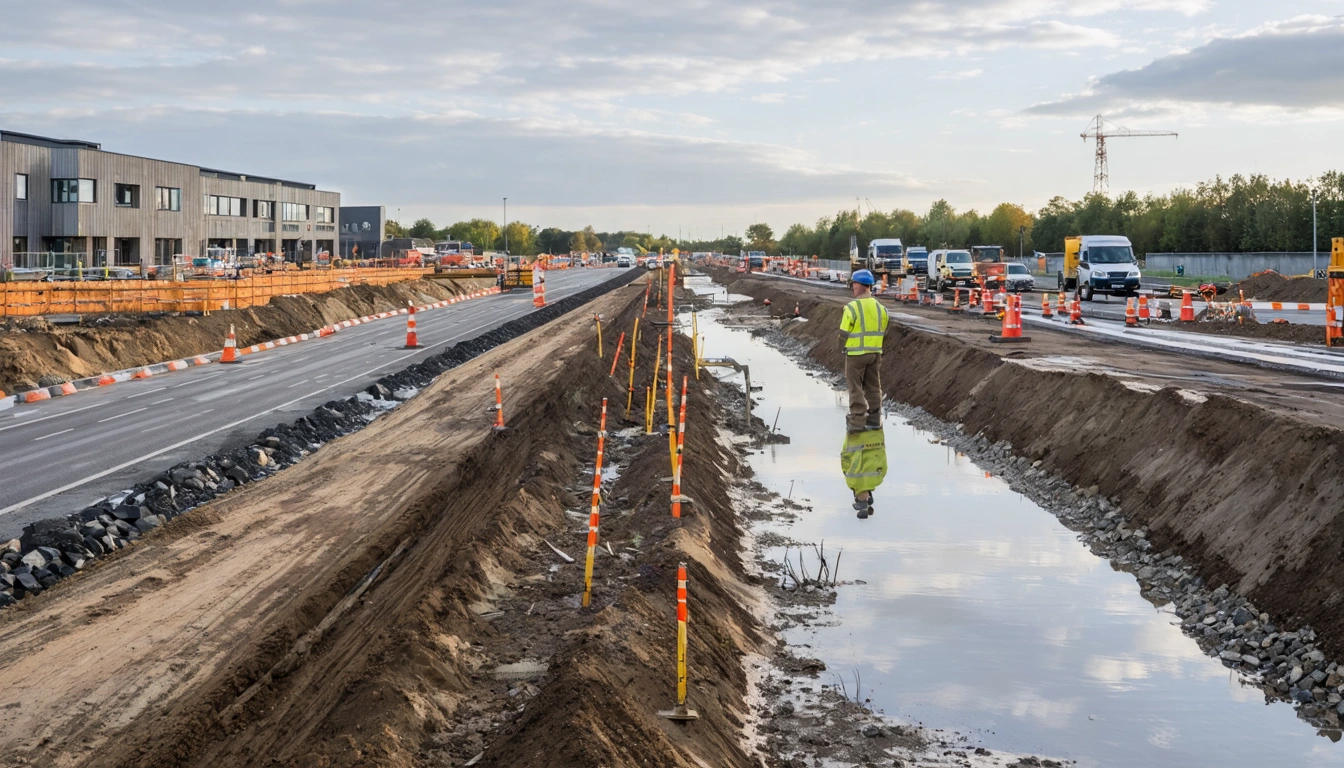
Large development projects often succeed or fail long before the first building is occupied. Roads, utilities, drainage systems, public spaces, and transportation connections determine whether new construction can support residents, businesses, and future investment. For the Cambridge Development Corporation, this reality placed infrastructure planning at the center of its approach to growth.
Rather than treating infrastructure as a supporting detail, the corporation used it as a framework for coordinating land development, construction activity, and long-term community needs. This infrastructure-first strategy illustrates how development organizations can reduce project risk, unlock difficult sites, and create conditions for sustained economic growth.
Why Infrastructure Comes Before Vertical Development
Vertical construction depends on a network of systems that may be less visible but are equally important. A commercial building, residential project, or mixed-use district requires reliable access to water, sewer capacity, electricity, communications, transportation routes, and stormwater management. If these systems are inadequate, developers may face design changes, permitting delays, cost increases, or restrictions on how a property can be used.
The Cambridge Development Corporation recognized that addressing these constraints early could make land more practical and attractive for development. Preparing roads, utility corridors, drainage infrastructure, and site access before major building activity gave contractors and investors a clearer understanding of project conditions. It also helped establish a logical sequence for construction, reducing conflicts between underground work and later building phases.
Turning Site Readiness Into Investment Confidence
Site readiness is more than clearing land or identifying parcels. It involves confirming that infrastructure has sufficient capacity, construction access is feasible, approvals can be coordinated, and future buildings can connect to essential services. Completing this work in advance reduces uncertainty, which is one of the largest obstacles facing developers and construction firms.
An infrastructure-first model can also support more reliable budgeting. When major civil works are identified early, project teams are better able to estimate costs, assign responsibilities, and plan around local conditions. This transparency allows public agencies, private developers, engineers, and contractors to make decisions using a shared understanding of the site.
Coordinating Construction With Long-Term Growth
Infrastructure investments create value when they serve more than a single building. The Cambridge Development Corporation’s broader planning perspective connected immediate construction requirements with future patterns of land use and economic activity. Roads and utility systems could therefore be designed to support multiple parcels, phased projects, and changing demand rather than one isolated development.
This approach is especially important in areas where growth must occur gradually. Installing every possible improvement at once may place unnecessary pressure on budgets, while waiting until demand appears can slow development. Phased infrastructure planning offers a middle path by delivering essential capacity first and preserving practical options for later expansion.
Aligning Public Works and Private Construction
Development corporations often operate between public policy and private investment. Municipal authorities may focus on transportation, environmental performance, public safety, and service capacity, while developers prioritize feasibility, schedules, financing, and market demand. Infrastructure provides a tangible point around which these interests can be coordinated.
For construction teams, this coordination can produce clearer schedules and fewer disruptions. Utility relocation, road improvements, grading, and drainage work can be organized before intensive vertical construction begins. For the wider community, the same process can improve access, support public services, and ensure that growth does not outpace the systems needed to sustain it.
Building a Reliable Civil Infrastructure Base
An infrastructure-first strategy depends on careful attention to the civil systems beneath and around each development site. These systems must function together, even when they are designed, funded, and constructed by different organizations. Early coordination helps prevent situations in which one improvement creates conflicts or capacity problems elsewhere.
Transportation and Site Access
Road design influences far more than vehicle movement. It affects construction access, emergency response, transit service, pedestrian safety, delivery routes, and the visibility of commercial properties. Establishing a connected road network before vertical construction can simplify site logistics and reduce the need for temporary access arrangements.
During construction, well planned access routes allow heavy equipment, material deliveries, and utility crews to reach work areas without unnecessarily disrupting nearby neighborhoods. Over the longer term, the same network can distribute traffic across multiple routes and provide connections between new development and established streets.
Transportation planning also requires space for people who are not traveling by car. Sidewalks, crossings, bicycle facilities, transit stops, and accessible routes are easier to incorporate when they are considered during initial roadway design. Retrofitting these features after curbs, drainage systems, and property entrances have been installed is often more expensive and technically difficult.
Water, Sewer, and Utility Capacity
Utility availability does not necessarily mean that adequate capacity exists. A water main may be nearby but unable to support required fire flows. A sewer line may be accessible but lack capacity for a large residential or commercial project. Electrical and communications systems may also require extensions, new equipment, or protected corridors.
Capacity studies help determine whether existing systems can accommodate anticipated demand and where upgrades will be necessary. They also allow improvements to be sized for realistic future growth. Oversizing every component can waste capital, while undersizing critical infrastructure can require disruptive replacement soon after development begins.

Shared utility corridors can improve efficiency by organizing water, sewer, electrical, gas, and communications infrastructure within coordinated alignments. Adequate separation, maintenance access, and future connection points reduce the likelihood that one utility provider will need to disturb recently completed work by another.
Stormwater Management and Site Resilience
Development changes how water moves across land. Buildings, roads, parking areas, and other impervious surfaces can increase runoff volume and speed. Without suitable controls, this runoff may contribute to flooding, erosion, water quality problems, and damage to public infrastructure.
Addressing stormwater early allows drainage requirements to influence grading, road elevations, parcel layouts, and the location of open space. Detention facilities, underground storage, vegetated channels, infiltration areas, and other measures can then be integrated into the development plan rather than added after the most practical locations have been committed to buildings.
Resilience is also a long-term construction concern. Infrastructure should account for severe weather, maintenance needs, changing environmental conditions, and the consequences of system failure. Designing access points, drainage routes, and utility systems with redundancy where practical can reduce future disruption and repair costs.
Phasing Infrastructure Without Limiting Future Development
Large development areas rarely build out at one time. Market conditions, financing, permitting, and tenant demand can cause individual parcels to proceed at different rates. Infrastructure phasing must therefore support the first projects while preserving an efficient path for later construction.
Creating Functional Development Phases
Each phase should be capable of operating safely and effectively even if the next phase is delayed. This means providing complete access, drainage, utility connections, emergency service routes, and public safety features for the occupied portion of the site.
For example, an initial roadway can be designed with utility stubs for adjacent parcels, sleeves beneath pavement, and grading that matches planned extensions. These relatively small preparations can prevent future contractors from cutting into finished roads or reconstructing recently installed drainage facilities.
Phasing plans should also identify triggering conditions for additional investment. A new intersection improvement might be required when traffic reaches a defined level, while a utility expansion could proceed once projected demand exceeds available capacity.
Protecting Flexibility Through Planning
Long construction timelines create uncertainty about the final mix of uses. A parcel initially considered for offices may later be more suitable for housing, research space, light industrial activity, or community services.
This flexibility can be supported through adaptable parcel access, utility corridors with expansion space, connected street grids, and drainage systems that can serve several development scenarios.
Reducing Construction Risk Through Early Investigation
Infrastructure investment is most effective when it is based on reliable information. Conditions below ground often represent a major source of uncertainty because they can affect excavation, foundations, utility installation, environmental approvals, and contractor productivity.
Understanding Existing Site Conditions
Surveying, geotechnical investigation, utility mapping, environmental assessment, and drainage analysis help convert unknown conditions into manageable design inputs. These studies can identify poor soils, shallow groundwater, undocumented utilities, contamination, flood exposure, or conflicts with existing easements.
Discovering such issues does not automatically make a site unsuitable. It allows planners to select appropriate responses before contractors mobilize. Roads can be relocated, utility depths can be adjusted, unsuitable soils can be addressed, and remediation work can be incorporated into budgets and schedules.
Early investigation also improves the quality of procurement documents. Contractors can price clearly defined conditions more accurately than broad allowances for unknown risk. Better information may therefore reduce contingency costs, change orders, and disputes over responsibility.
Managing Interfaces Between Projects
Infrastructure programs frequently involve several contracts running at the same time. One contractor may be installing utilities while another constructs roads and a third prepares a building site.
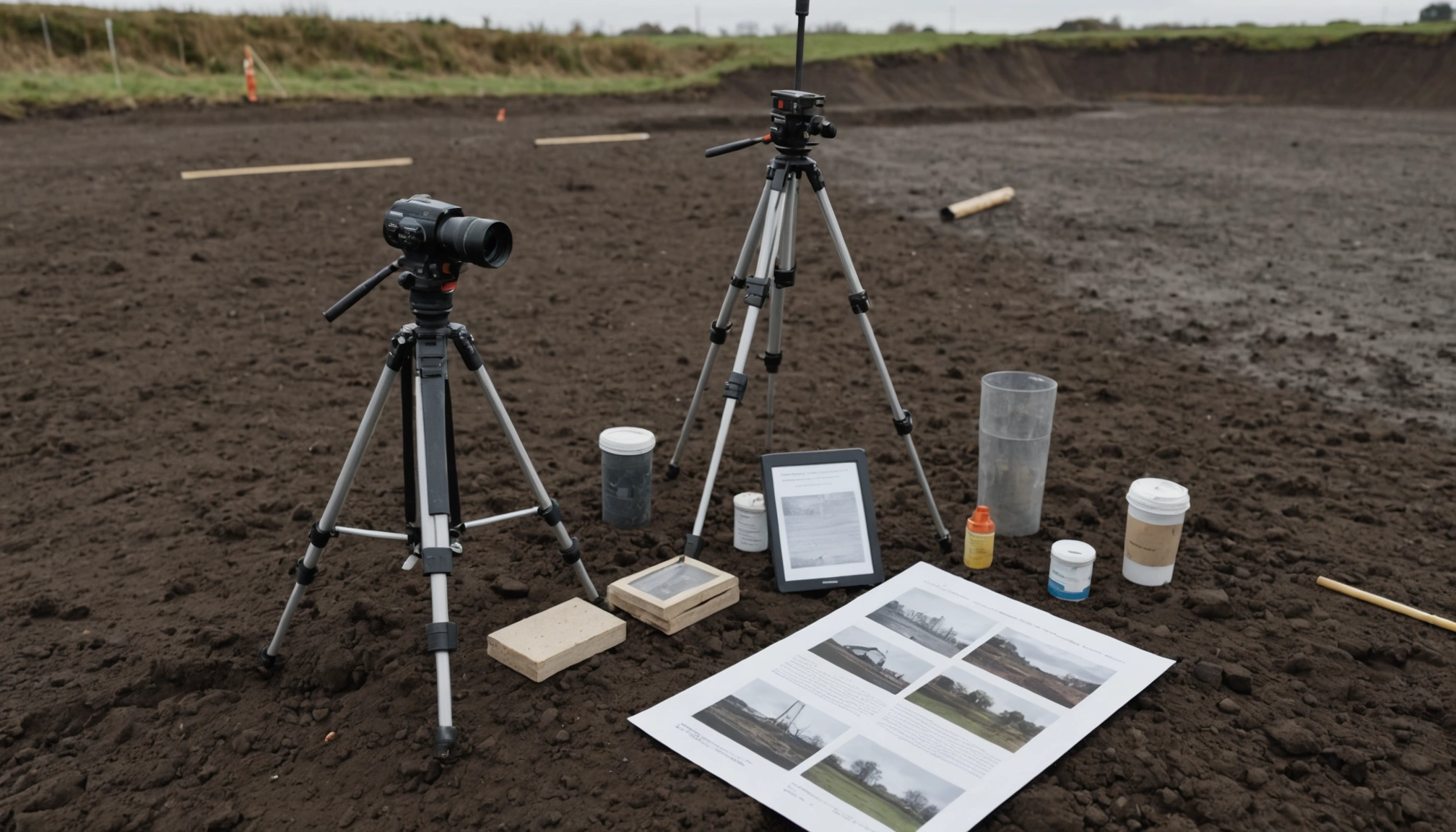
Interface planning should define elevations, connection points, testing requirements, access responsibilities, restoration standards, and the sequence in which work will be accepted. A shared schedule can identify dependencies, such as completing underground crossings before pavement placement or energizing electrical service before building systems are commissioned.
Consistent design standards and document control are equally important. When teams work from outdated surveys or conflicting drawings, minor discrepancies can become costly field problems.
Using Procurement and Partnerships Strategically
The method used to design and procure infrastructure can influence cost, schedule, innovation, and accountability. No single delivery model is appropriate for every project. The best approach depends on design complexity, funding conditions, schedule pressure, and the amount of uncertainty remaining at the time of procurement.
Packaging Work for Efficient Delivery
Combining related civil work into coordinated packages can reduce gaps between contractors and create economies of scale. Road grading, drainage, utility installation, and streetscape preparation may be more efficient when delivered through a unified sequence.
Package size also affects competition. A contract that is too large may limit the number of qualified bidders, while an excessive number of small contracts can increase administration and coordination demands.
Defining Cost and Maintenance Responsibilities
Infrastructure that serves several parcels raises important questions about funding. Costs may be covered by public investment, developer contributions, connection charges, special assessments, or a combination of sources.
Long-term maintenance responsibilities must be established with the same clarity. Roads, landscaping, drainage facilities, lighting, and shared utility systems require inspection and upkeep after construction ends.
Measuring the Value of an Infrastructure-First Strategy
The impact of infrastructure should not be evaluated solely by the number of roads built or utility lines installed. Its value is reflected in how effectively it enables construction, supports occupants, attracts investment, and performs over time.
Construction and Development Indicators
Useful indicators include the amount of serviced land, the time required to connect new projects, the number of parcels made construction ready, and the reduction in infrastructure related delays.
Development outcomes may also include private capital investment, building occupancy, new business activity, housing delivery, and the rate at which later phases proceed. These measures help determine whether infrastructure is producing practical development opportunities rather than capacity that remains unused.
Operational and Community Performance
Once infrastructure is in service, performance measures can include road safety, drainage reliability, utility interruptions, maintenance costs, pedestrian access, and response times for repairs. Monitoring these outcomes gives asset owners information that can guide future phases and improve design standards.
Community experience is another important measure. Infrastructure should connect new development to existing neighborhoods, improve access to services, and support safe movement for pedestrians, cyclists, transit users, and drivers.
Lessons for Future Development Programs
The Cambridge Development Corporation’s infrastructure-first strategy demonstrates that growth is most durable when enabling systems are planned before demand becomes urgent. Early investment in roads, utilities, drainage, access, and site preparation can reduce uncertainty while allowing public and private construction to proceed in a coordinated sequence.
The approach also shows that infrastructure planning must remain flexible. Phased delivery, capacity monitoring, clear maintenance responsibilities, and adaptable designs help development programs respond to market changes without sacrificing long-term performance.
For construction industry participants, the central lesson is straightforward: infrastructure is not simply preliminary work. It is the platform that determines whether sites are buildable, projects are financeable, and communities can support continued growth.