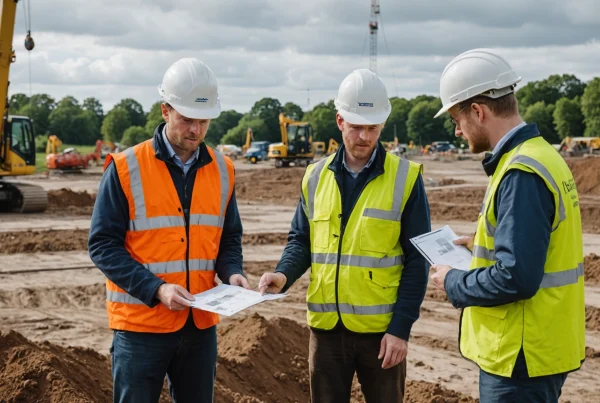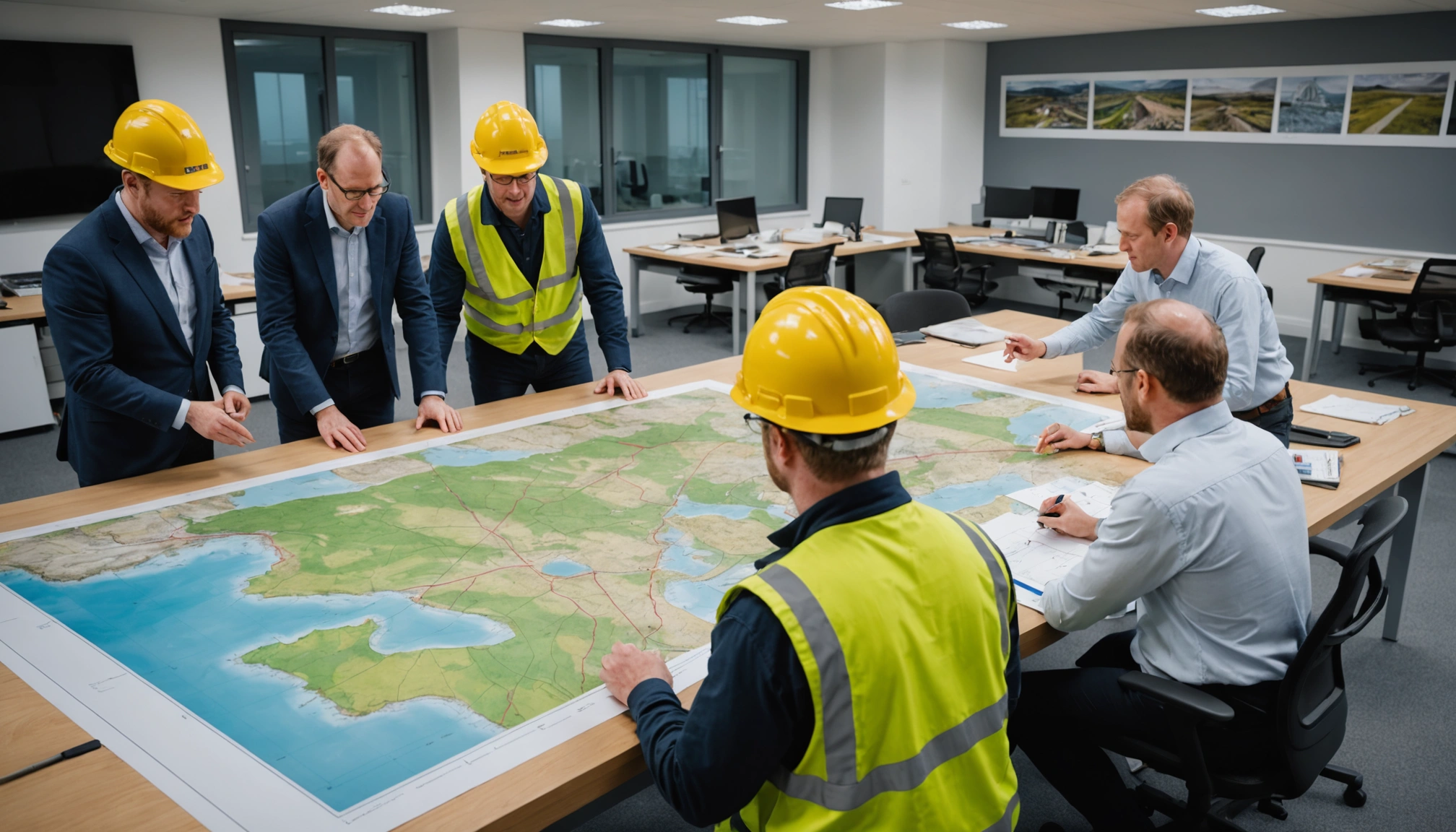
Groundworks set the physical foundation for everything that follows on a construction project. Yet the conditions beneath a site are rarely as predictable as they appear from the surface.
A thorough site investigation gives designers, contractors and clients reliable information before excavation begins. It replaces assumptions with evidence, helping the project team select suitable construction methods, control risk and produce a more accurate programme and budget.
What lies beneath the surface matters
Ground conditions can vary considerably across a single development site. Made ground may sit beside natural soil, rock levels can rise unexpectedly and areas of soft or waterlogged material may be hidden beneath an otherwise stable surface.
Site investigation is the process of building a practical understanding of these conditions. It usually combines existing records with physical investigation and laboratory testing. The findings inform decisions about excavation, foundations, drainage, earthworks, temporary works and the safe handling of materials.
Desk studies provide the starting point
A desk study reviews information that is already available, including geological mapping, historical land records, previous investigation reports and details of nearby infrastructure. This early research can reveal whether the site has been quarried, filled, industrially developed or exposed to flooding.
Although a desk study cannot confirm the exact conditions underground, it helps identify likely hazards and shapes the scope of later fieldwork. It can also prevent resources being wasted on an investigation strategy that overlooks the site’s most significant risks.
Physical investigation confirms actual conditions
Trial pits, boreholes, probing and in situ testing allow engineers to inspect and assess the materials below ground. Samples may then be tested to establish properties such as strength, moisture content, chemical composition and bearing capacity.
The appropriate investigation method depends on the proposed development, the anticipated geology and the level of risk. A small drainage scheme will not necessarily require the same scope of work as a large commercial development, but both need enough reliable information to support safe decisions.
Early investigation reduces construction risk
Unexpected ground conditions are a common cause of disruption during groundworks. If unsuitable soil is discovered only after excavation has started, work may need to stop while designs are reviewed and alternative materials or equipment are arranged.
Investigating the site early gives the design team an opportunity to address foreseeable problems before machinery and labour are committed. Excavation support, dewatering requirements, foundation depths and material movements can all be planned around known conditions rather than being improvised on site.
Safer excavation and temporary works
Excavations can collapse when soil behaviour, loading or groundwater pressure has not been properly considered. Investigation data helps engineers assess whether battered sides, trench boxes, sheet piling or another support system will be needed.
Groundwater information is particularly important because water can weaken excavation faces, create unstable working conditions and increase pumping requirements. Understanding likely water levels allows suitable control measures to be designed before excavation begins.
More reliable costs and programmes
Accurate ground information helps estimators calculate excavation quantities, disposal requirements, imported fill volumes and plant needs with greater confidence. It may also identify materials that can be treated and reused on site, reducing haulage, waste and unnecessary expenditure.
No investigation can remove every uncertainty, but a proportionate survey can substantially reduce the number of surprises. This creates a stronger basis for procurement, sequencing and contingency planning while making commercial decisions easier to justify.
Investigation shapes the groundworks design
Site investigation is not simply an exercise in identifying problems. Its real value lies in turning ground data into practical design decisions. Soil strength, rock depth, groundwater conditions and chemical test results can all influence how the groundworks package is designed and delivered.
For example, competent natural soil close to the surface may support conventional shallow foundations. A site containing deep made ground or compressible clay may require ground improvement, deeper foundations or a different structural solution.
Foundation selection and formation levels
Foundation performance depends on the strength and consistency of the supporting ground. Investigation results help engineers estimate bearing capacity, settlement and the potential for seasonal movement.
The findings can also influence formation levels. Excavating to an arbitrary depth without understanding the underlying materials may expose weak ground or remove suitable bearing strata unnecessarily.
Earthworks and material reuse
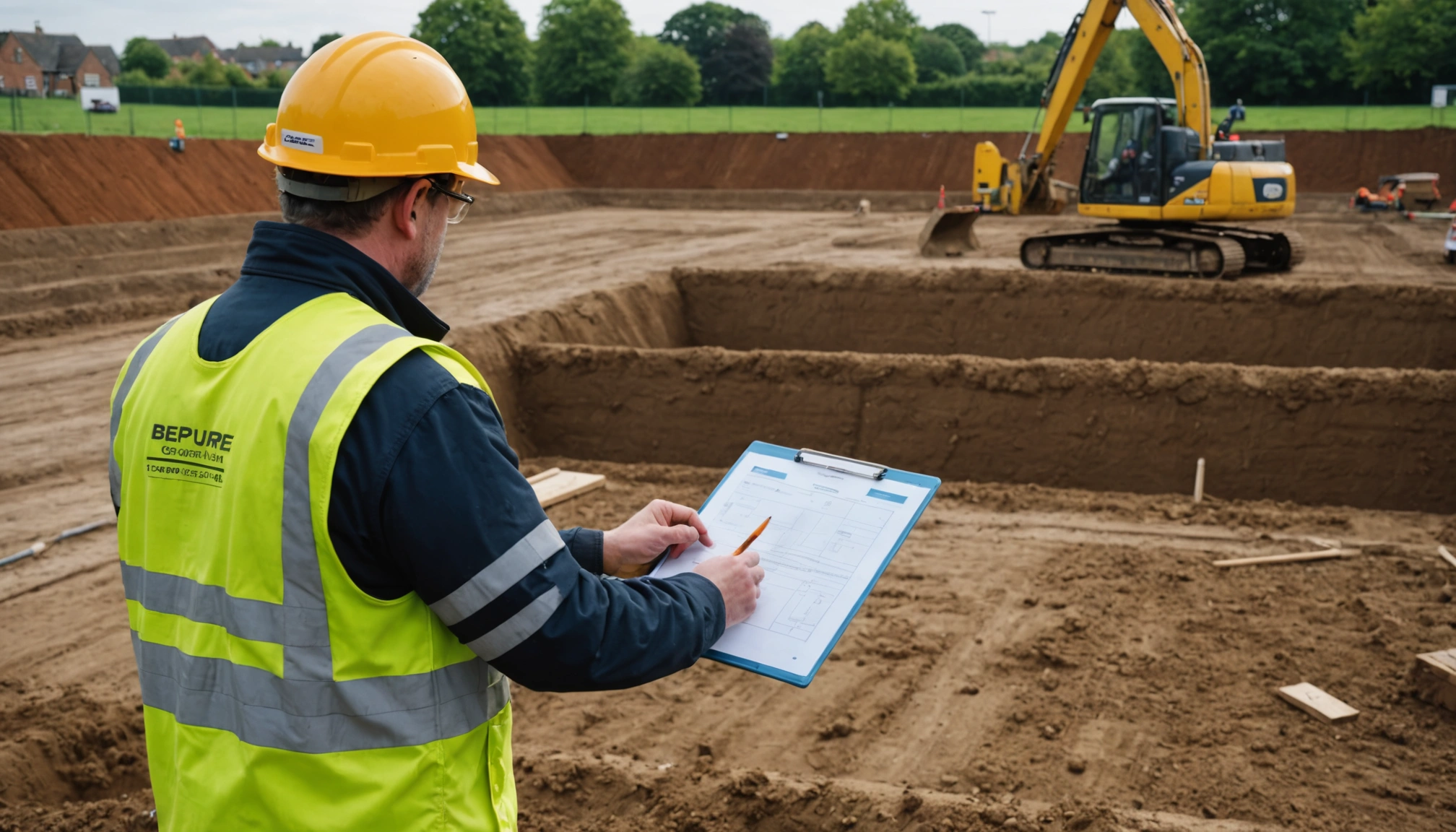
Large sites often depend on balancing cut and fill to minimise imported aggregates and off-site disposal. However, excavated soil cannot automatically be assumed suitable for reuse.
Testing can establish whether material is suitable for use beneath roads, hardstanding, landscaped areas or structural platforms. Where improvement is necessary, the project team can assess options such as drying, screening, blending or stabilisation.
Buried services require careful investigation
Existing utilities are among the most immediate hazards facing a groundworks team. Electricity cables, gas mains, water pipes, sewers and telecommunications infrastructure may cross a site with few visible signs at ground level.
Utility drawings provide useful background information, but they should not be treated as proof of a service’s exact position or depth. Records need to be supported by suitable detection work, visual inspections and carefully planned trial holes where necessary.
Service information affects sequencing
Knowing where utilities are located allows access roads, drainage runs, foundations and excavation routes to be planned around them. Where diversions are unavoidable, they can be coordinated before they obstruct critical activities.
This information also helps the contractor select suitable excavation methods. Mechanical excavation may be inappropriate close to a confirmed service, while vacuum excavation or careful hand digging may offer better control.
Contamination can change the entire groundworks strategy
Sites with an industrial, agricultural or waste-related history may contain hydrocarbons, heavy metals, asbestos, chemicals or contaminated groundwater. Even apparently ordinary made ground can include ash, clinker, demolition waste and other materials that require further assessment.
Discovering contamination during excavation can lead to stopped work, segregated storage areas, additional testing and costly disposal. Early investigation allows the project team to understand the likely extent of affected material and develop an appropriate remediation or management strategy.
Protecting workers and the surrounding environment
Contamination findings influence more than waste classification. They can determine the personal protective equipment required, dust suppression measures, hygiene arrangements and controls for water leaving the excavation.
The potential movement of contaminants must be considered carefully. Uncontrolled pumping can transfer polluted groundwater into drainage systems or nearby watercourses, while poorly managed stockpiles can allow contaminated runoff to spread across previously clean areas.
Waste classification should not be left until loading
Excavated material becomes a significant commercial issue when it cannot be reused on site. Disposal routes depend on the nature of the material and its classification, so laboratory data and appropriate assessment should be available before lorries begin arriving.
Testing undertaken solely for geotechnical design may not provide all the information required for waste decisions. The investigation scope should therefore reflect both engineering and environmental needs.
Groundwater affects excavation, drainage and concrete
Groundwater levels are not fixed. They can change with rainfall, seasons, nearby watercourses and local pumping activity. A dry trial pit completed during summer does not necessarily mean that an excavation will remain dry throughout winter.
Where groundwater could affect the works, monitoring over an appropriate period may be needed. Standpipes or other monitoring installations can provide a more representative picture than a single observation made during drilling.
Dewatering needs to be designed
Pumping water from an excavation may appear straightforward, but an unsuitable approach can remove fine soil particles, cause settlement or affect neighbouring structures. It can also create environmental and discharge issues.
Investigation data helps specialists assess likely inflow rates and choose between sump pumping, wellpoints, deep wells or cut-off systems. It also informs decisions about filtration, settlement tanks, treatment and the lawful discharge of pumped water.
Chemical conditions influence buried materials
Soil and groundwater chemistry can affect concrete, steel and other buried construction materials. Testing for factors such as sulphates, acidity and aggressive chemical conditions helps designers specify suitable concrete classes and protective measures.
Without this information, buried structures may be exposed to avoidable long-term deterioration. The resulting defects may not become visible for years, but repairs can be disruptive and expensive once the development is occupied.
A good investigation must reflect the proposed works
There is no universal investigation package that suits every project. The scope should be based on what is being built, how deep the excavations will be, the anticipated ground conditions and the consequences of uncertainty.
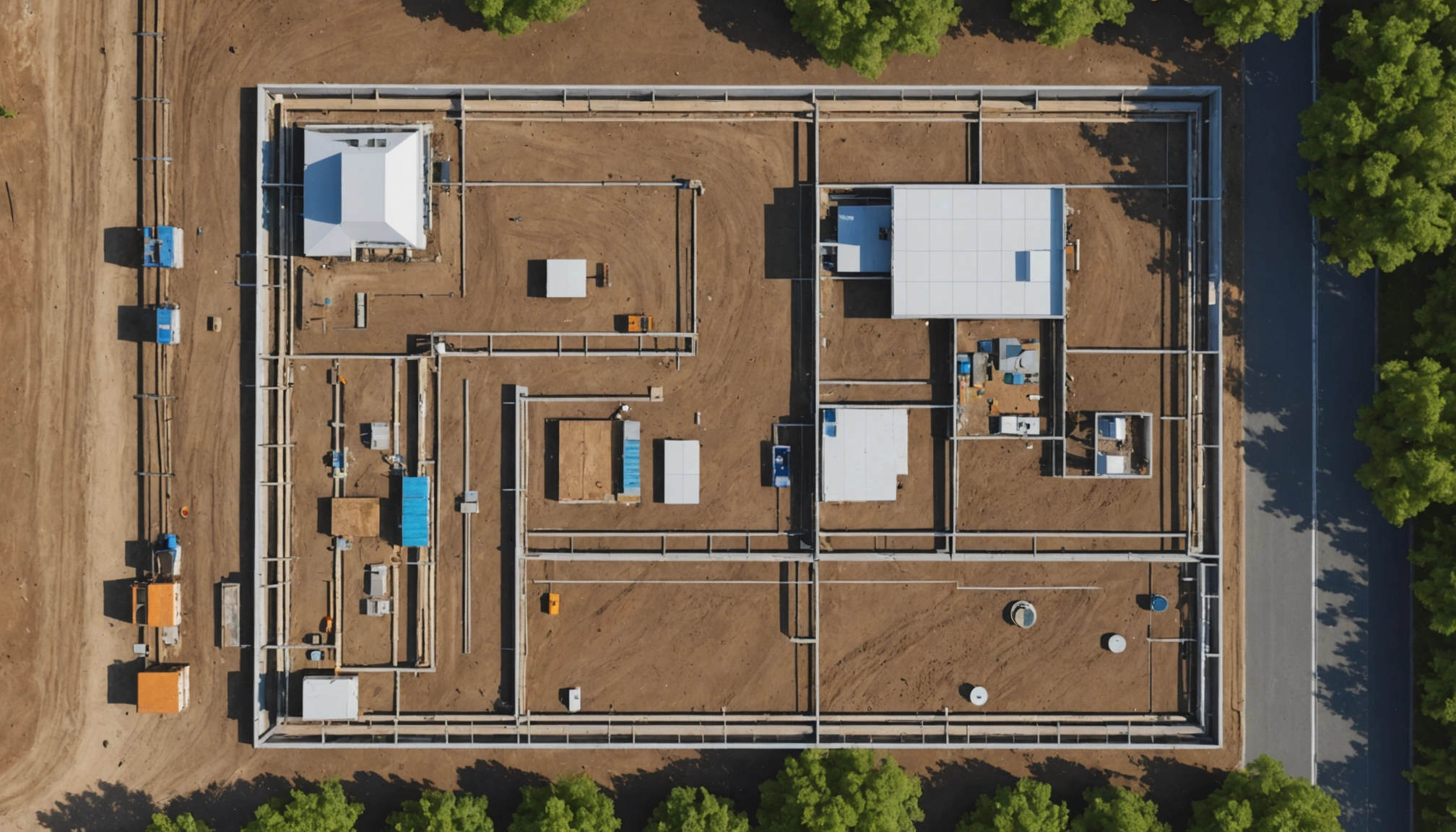
A drainage installation may require particular attention to trench stability, groundwater and service crossings. A road or yard construction project may focus more heavily on subgrade strength, soft spots and the suitability of site-won fill.
Location and depth both matter
Investigation points need to cover the relevant parts of the site and extend deep enough to encounter the materials that could influence the works. A borehole positioned far from a proposed structure may not represent the ground directly beneath it, particularly on previously developed or filled land.
The spacing of investigation points should account for expected variability. Additional targeted work may be justified around suspected tanks, former buildings, retaining structures, drainage outfalls or areas where historical plans indicate significant disturbance.
Information must be available at the right time
An investigation commissioned after the design is substantially complete offers less value than one carried out early enough to influence decisions. Results need time to be tested, interpreted and incorporated into drawings, specifications, risk assessments and construction methods.
Lead times also matter. Laboratory analysis, groundwater monitoring and specialist assessments cannot always be accelerated without reducing confidence in the findings. Building these activities into the pre-construction programme allows the team to make considered decisions rather than reacting under pressure.
Reports need engineering interpretation
A site investigation report may contain borehole logs, trial pit records, laboratory results and photographs, but raw data is only part of the picture. The information must be interpreted in relation to the proposed construction work.
A useful report should describe the ground model, identify limitations and explain the principal geotechnical and environmental risks. It should distinguish confirmed findings from assumptions and highlight where further investigation or monitoring may be appropriate.
Ground conditions still need to be verified on site
Even a well-planned investigation samples only a limited proportion of the ground. The groundworks team should therefore compare actual excavation conditions with the investigation findings as work progresses.
Changes in soil type, unexpected odours, buried structures, unusual staining or water ingress should be reported promptly. An agreed escalation process allows engineers and environmental specialists to assess the issue before it becomes concealed or affects a larger area.
Briefing the workforce is essential
Investigation findings are most useful when they are translated into information that site teams can act upon. Supervisors and operatives should understand the expected soil profile, known utility locations, contamination controls, groundwater risks and the procedure for dealing with unexpected conditions.
This does not mean issuing a lengthy technical report and expecting every operative to interpret it. Relevant findings should be incorporated into construction drawings, method statements, permits, task briefings and inspection plans in a clear and practical format.
Common mistakes that reduce the value of an investigation
One common mistake is treating site investigation as a box-ticking exercise rather than a design tool. A minimal scope may appear to save money initially, but gaps in information can transfer far greater costs into the construction phase.
Other mistakes include investigating only the easiest accessible areas, relying too heavily on historical records and failing to consider seasonal groundwater changes. Using geotechnical test results for environmental decisions without checking their suitability can also leave important contamination risks unresolved.
Assuming nearby data will be representative
Information from an adjacent development can provide useful context, but ground conditions may change significantly over short distances. Different land uses, filling histories and drainage patterns can produce very different conditions on neighbouring plots.
Failing to update the ground model
The ground model should develop as new information becomes available. Findings from enabling works, service investigations and initial excavations may justify changes to the design or construction method.
Site investigation is an investment in buildability
A proportionate site investigation improves safety, design reliability and commercial control before groundworks begin. It helps the project team anticipate unsuitable soils, groundwater, buried services and contamination while there is still time to select an effective response.
It cannot eliminate every uncertainty below ground, but it can ensure that remaining risks are understood and managed. That makes excavation safer, programmes more dependable and groundworks far less likely to be disrupted by preventable surprises.