Ever wondered what keeps towering skyscrapers and quaint cottages standing firm? The secret lies beneath our feet, in the foundations that support every structure. Without a solid base, even the most impressive buildings can crumble.
Understanding foundations is crucial. They ensure safety, stabilityand longevity. Whether you’re an engineer, architect, or homeowner, grasping the art of perfect foundations can make all the difference in construction success.

Understanding Soil Composition
Soil composition plays a vital role in foundation success. Different soils react differently too weight and moisture. For instance, clay expands when wet and shrinks when dry, affecting stability. Understanding thes behaviours is key.
Engineers assess soil types before construction. Sandy soils offer good drainage,but they struggle with heavy loads.In contrast, loamy soil provides balance with adequate drainage and support. This knowledge guides foundation choices.
Testing soil before building can prevent future issues. Simple tests help identify soil type and characteristics. A soil sample analysis reveals crucial details about its composition and strength. This informs construction decisions.
Avoid building on loose or unstable ground. Compact soil offers better support.Use a compaction test to ensure soil stability. This step can save time and costs in the long run.
In the UK, soil conditions vary widely. Local knowledge and expertise are invaluable. Collaborate with local experts to assess and address soil challenges effectively. This collaboration ensures the foundation’s strength and durability.
Importance of Material Selection
choosing the right materials is essential for strong foundations. Material selection affects durability and performance. Different materials offer various benefits, and selecting the right one can prevent future complications.
Concrete remains a popular choice for its strength and versatility. It can handle heavy loads and withstand environmental changes.Reinforcing concrete with steel bars increases its tensile strength, making it even more reliable.
Brick and stone also provide excellent support. These materials offer natural resistance to weathering and erosion.They suit traditional styles and add a classic aesthetic to any structure.
In some cases, engineers use timber for foundations. It’s lightweight and sustainable,but it requires proper treatment to resist decay and pests.Use timber in areas with stable, dry soil conditions to ensure longevity.
Consider local climate when selecting materials. In the UK, frequent rain demands materials that resist moisture. Consulting with material experts can help you choose the best options for your specific project needs.
Techniques for Site Preparation
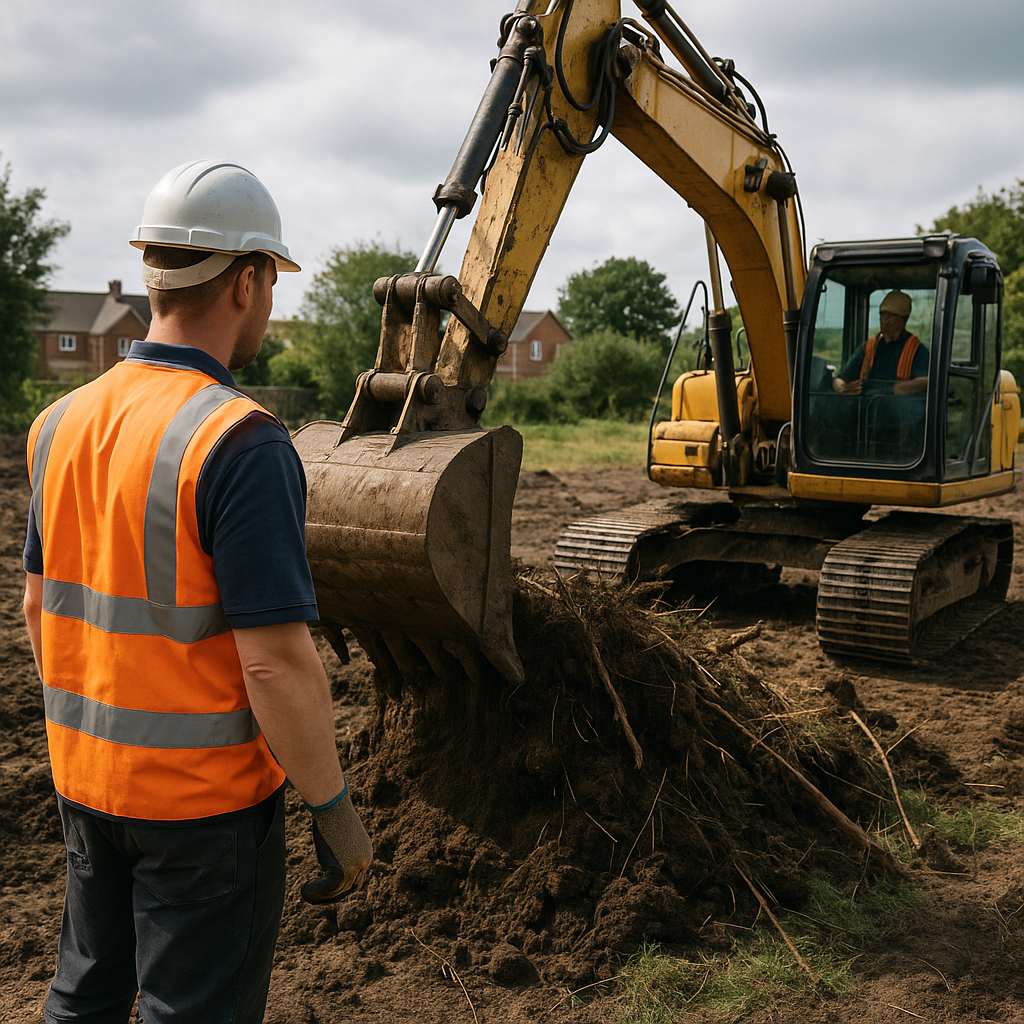
Site preparation is the first step to ensuring a solid foundation. Begin with a thorough site survey. This helps identify potential issues like uneven terrain or existing structures that need removal.
Clear the site of debris and vegetation. This prevents future problems with drainage and stability. Use machinery like bulldozers for large areas. For smaller areas,manual clearing can be more precise.
Level the ground to create a flat, stable base. Grading the site improves drainage and prevents water pooling, which can weaken foundations over time. This step is vital for long-term structural integrity.
Consider adding a gravel layer for extra stability. Gravel enhances drainage and provides a firm base for further construction.It is especially useful in areas prone to heavy rainfall, common in the UK.
conduct a compaction test.This ensures the soil is dense enough to support the building. Proper compaction reduces the risk of settling, which can lead to cracks and structural issues later.
Role of Technology in Foundation Engineering
Technology is transforming how we approach foundation engineering. advanced tools help us design and construct with precision.Engineers use computer modelling to predict how structures will interact with various soil types.
Ground-penetrating radar (GPR) provides a clear view beneath the surface. It helps identify obstacles like buried utilities and voids. By detecting these issues early, we avoid costly delays and redesigns.
3D printing is emerging as a game-changer.It allows for the creation of custom components quickly and efficiently. This technology helps tailor solutions to specific site conditions, enhancing foundation performance.
Monitoring systems track foundation health in real-time. Sensors embedded in the structure provide data on stress and movement. This information allows for timely maintenance,preventing long-term damage.
Drone technology aids in site surveys and inspections. With aerial views, engineers can assess large sites swiftly. Drones capture detailed imagery, enabling accurate planning and reducing the risk of errors.
Environmental considerations in Foundation Design
Environmental factors greatly influence foundation design. Engineers must consider these factors to ensure durability and safety. Ignoring environmental conditions can lead to costly repairs and structural failures. Careful planning addresses these challenges effectively.
Climate plays a meaningful role in foundation performance. in the UK, frequent rain impacts soil moisture levels. This affects stability and can lead to subsidence. Designing foundations to manage water effectively is crucial.
Consider the impact of temperature variations on materials. Expansion and contraction can cause cracks. Engineers choose materials that accommodate these changes, ensuring longevity. for example, flexible sealants can definitely help manage temperature-induced stress.
Flood-prone areas require special attention. Elevated foundations or waterproof barriers can prevent water damage. In such regions, consulting with local experts ensures compliance with environmental regulations and improves project success.
Environmental sustainability is increasingly important. choosing eco-friendly materials and methods can reduce the carbon footprint. Engineers explore recycled materials and energy-efficient construction techniques, balancing performance with environmental duty.
Future Trends in UK Foundation engineering
Foundation engineering is evolving rapidly in the UK. Engineers increasingly adopt sustainable practices to minimise environmental impact. They use recycled materials and low-carbon concrete, promoting greener construction methods for future projects.
Offsite construction is gaining popularity. Prefabricated foundation components speed up the building process. They ensure consistent quality and reduce on-site waste. This method offers precision and efficiency, perfect for tight urban spaces.
Innovative materials are emerging. Engineers experiment with alternatives like geopolymers.These materials offer strength and sustainability. they reduce reliance on traditional cement, cutting down on carbon emissions.
Smart technology integration is on the rise. Engineers use sensors to monitor foundation health. Real-time data alerts teams to potential issues, allowing for proactive maintenance. This approach extends the lifespan of structures.
Foundations must adapt to climate change. Rising water levels demand resilient designs. Elevated foundations and improved drainage systems help manage these challenges. Engineers focus on future-proofing to ensure longevity and safety.
The Way Forward
In UK engineering, strong foundations are essential. They ensure stability and safety in every project. By focusing on quality materials and precise techniques, engineers can build structures that last. It’s not just about the present; it’s about future resilience.
For a practical tip, always prioritise thorough site assessments before starting any project. This ensures that the ground conditions are right, reducing risks and enhancing the lifespan of the structure.