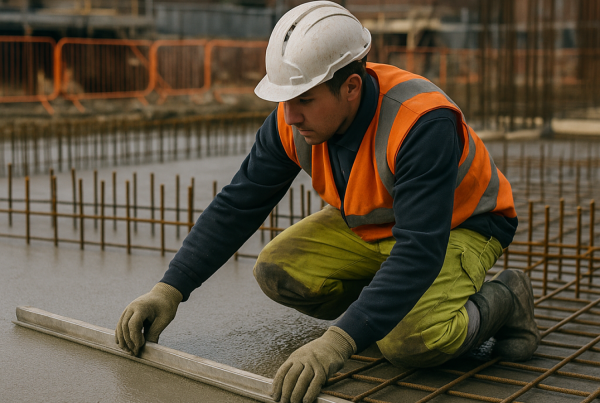
Have you ever wondered what keeps our skyscrapers standing tall and bridges spanning wide? It’s all about the foundations. These crucial structures support everything we build, yet they often go unnoticed.
Understanding foundations is essential for anyone in civil engineering. They ensure safety, stability, and longevity. By mastering them, engineers can create structures that withstand the test of time and nature.

Understanding Soil Composition
Soil composition plays a crucial role in designing foundations. Engineers must assess the soil to determine its load-bearing capacity. Soil types vary, affecting stability and drainage. knowing these differences helps in planning.
Clay soils can expand and contract. This movement can disrupt structures. Engineers often employ deep foundations to bypass unstable layers. This method reduces potential damage and ensures stability.
Sandy soils offer better drainage but lack cohesion. They can shift under pressure. Engineers might use compaction or stabilisation techniques to improve strength. These methods help maintain structural integrity.
Bedrock provides an ideal base for foundations. It offers extraordinary support and stability.When possible,engineers anchor foundations to bedrock. This approach ensures long-lasting and reliable structures.
Accurate soil analysis is vital before construction. Engineers should conduct thorough tests at the project site. These tests guide foundation choices and prevent costly errors. Proper planning leads to safer, more durable buildings.

Importance of Site Surveys
Site surveys are crucial for successful construction projects. They help identify potential issues early.Engineers assess the land’s topography and existing structures. This data guides the design process.
Accurate measurements prevent costly errors. Engineers use advanced tools to survey the site. These tools include total stations and GPS units. Accurate data ensures precise planning and efficient resource allocation.
Surveys reveal hidden obstacles. Engineers can uncover underground utilities or unexpected soil conditions.This knowledge prevents delays and reduces risks during construction. Early detection saves time and money.
Communication improves through site surveys. Engineers share findings with architects and contractors. This collaboration fosters informed decisions. Everyone works from the same understanding,ensuring project alignment.
Regular updates during construction are beneficial. Engineers revisit surveys to track progress. They address changes promptly, maintaining project momentum. This proactive approach enhances safety and project success.

Role of Regulations in Civil Engineering
Regulations ensure safety and quality in civil engineering. They set standards for design and construction. Engineers must follow these rules to protect public welfare.
Building codes dictate foundation requirements. These codes cover materials, designand load-bearing capacities. Compliance prevents structural failure and legal issues. Engineers should stay updated with changes.
Health and safety regulations are critical. They protect workers and the public during construction. Engineers implement these measures to minimise risks. Safe practices lead to successful projects.
Environmental regulations guide sustainable construction. Engineers must assess environmental impact. Implementing eco-friendly practices helps preserve natural resources. Compliance benefits both the surroundings and the community.
Such as,using recycled materials can reduce waste. Engineers can incorporate them into foundation designs. This approach meets regulations and promotes sustainability. Properly following regulations enhances project outcomes.
Innovative foundation Materials
are transforming civil engineering in the UK. Engineers now have access to advanced materials that enhance strength and durability. These options improve project outcomes significantly.
Geopolymers offer a sustainable choice. They emit lower carbon emissions compared to customary concrete. Engineers use them to create eco-friendly foundations while maintaining structural integrity. This choice supports environmental goals.
Engineers also explore fibre-reinforced polymers. These materials provide exceptional strength-to-weight ratios. They are resistant to corrosion, making them ideal for harsh environments. This durability extends the lifespan of structures.
Another innovation is self-healing concrete. It repairs minor cracks automatically, preventing water ingress. Engineers incorporate it into designs to reduce maintainance needs. This technology ensures long-lasting and resilient buildings.
For practical application, consider using recycled aggregates in concrete mixes. They reduce waste and cost. Engineers can integrate these materials into foundation designs without compromising quality. This approach supports sustainability efforts.
Environmental Considerations in Construction
Environmental considerations play a vital role in construction. Engineers must address ecological impacts to ensure sustainable practices. This approach helps balance development with environmental preservation.
Choosing eco-friendly materials is crucial. Engineers can select materials with low carbon footprints. These choices reduce emissions and support sustainability goals. As a notable example, using geopolymers can cut carbon emissions significantly.
Water management is another crucial factor.Engineers design systems to minimise runoff and erosion. Proper drainage prevents soil degradation and protects local ecosystems.Implementing rainwater harvesting can further conserve resources.
Minimising waste is essential in construction. Engineers can recycle materials and reduce landfill contributions. Using recycled aggregates in concrete mixes is one practical method. This practice saves resources and lowers costs.
energy efficiency should be considered. Engineers can incorporate renewable energy sources on-site. Solar panels or wind turbines can power construction activities. This reduces reliance on non-renewable energy and decreases environmental impact.
Future Trends in Foundation engineering
focus on sustainability and innovation. Engineers now prioritise eco-friendly materials and methods. This shift supports both environmental goals and economic efficiency.
Engineers explore modular foundation systems. These systems speed up construction and reduce waste. Prefabricated components offer precision and consistency. This approach saves time and resources on-site.
Smart technology integration is gaining traction. Sensors monitor foundation health in real-time.Engineers receive instant alerts for potential issues. This proactive monitoring ensures timely maintenance and enhances safety.
Adaptive foundations are emerging. They adjust to environmental changes, like soil movement. Engineers design them for resilience against climate change. This innovation protects structures in unpredictable conditions.
Consider using permeable materials for drainage. These materials reduce surface runoff and prevent flooding. Engineers can incorporate them into designs for urban areas. This practice supports sustainable urban development.
closing Remarks
Foundations are the bedrock of any civil engineering project in the UK. Mastering them ensures stability and longevity. As you build your expertise, focus on understanding soil conditions and local regulations. This knowledge will guide your decisions and improve project outcomes.
to continue improving, consider visiting active construction sites. Observing real-world applications will deepen your understanding and provide invaluable insights. Experiance remains the best teacher in this field.