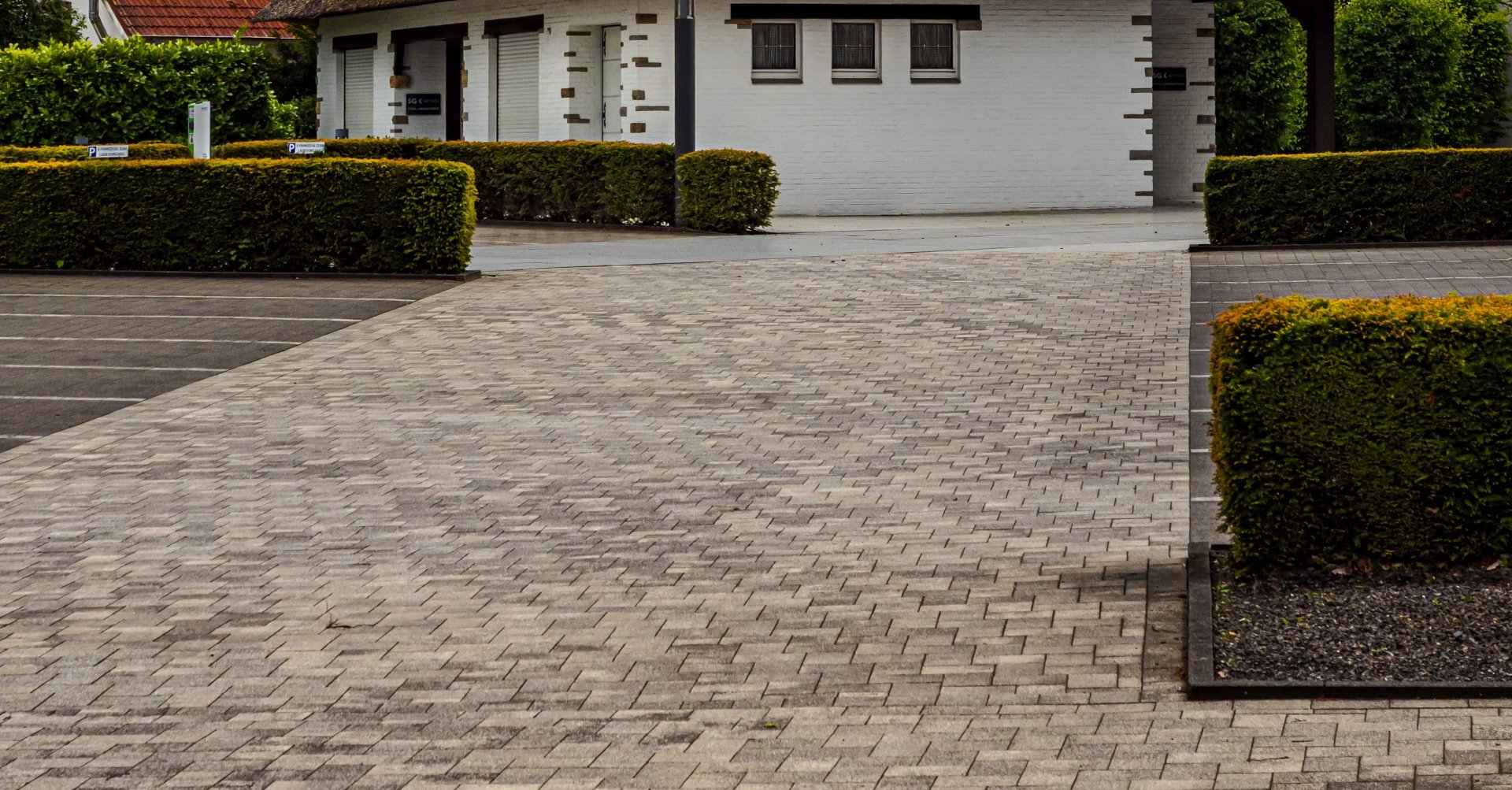
Introduction to Block Paving for Driveways
When it comes to enhancing the curb appeal of your home, few things make a more significant impact than a well-designed driveway. A driveway is not just a practical necessity; it is indeed also one of the first things visitors notice about your property. This makes choosing the right block paving for driveways an essential task for any homeowner looking to improve the overall aesthetics and functionality of their outdoor space. With a myriad of materials, colors and patterns available, making the right choice can feel overwhelming.Though, understanding the basics of block paving and considering your specific needs can simplify the decision-making process.
Understanding Different Types of Block Paving
Block paving comes in various materials, each offering distinct advantages and aesthetic qualities. the most common types include concrete, clay and natural stone. Concrete block paving is popular due to its versatility and affordability. It is available in a wide range of colours and finishes,making it easy to match with your home’s exterior. Clay blocks, on the other hand, are known for their durability and rich, natural colours that do not fade over time. Although typically more expensive than concrete, they offer a timeless look that can add significant value to a property. Natural stone blocks, such as granite or sandstone, are prized for their unique textures and organic appearance. While they can be the most costly option, their elegance and longevity often justify the investment.
Considering Aesthetic Appeal and Style
Aesthetic appeal is a crucial factor when choosing the right block paving for driveways. Your driveway should complement the architectural style of your home and reflect your personal taste. For conventional homes, clay or natural stone blocks might be ideal due to their classic and refined look. Modern homes,in contrast,may benefit from the sleek and uniform appearance of concrete blocks. Moreover, consider the color palette of your home and landscape. Neutral tones can provide a subtle,seamless transition from the driveway to the house,while bolder colors can create a striking visual impact. Patterns and layouts also play a significant role in the overall design. Herringbone, basket weave, and stretcher bond are popular patterns that can add texture and interest to your driveway.
Assessing Durability and Maintenance needs
Durability is another critical consideration in choosing block paving for driveways. Given that driveways must withstand the weight of vehicles and exposure to the elements, selecting a material that can endure these stresses is essential. Concrete blocks are generally durable, but their longevity can depend on the quality of the installation and the specific type of concrete used. Clay blocks are known for their robustness and ability to resist wear and tear over the years. Natural stone is exceptionally durable, frequently enough outlasting other materials with proper care. maintenance requirements can vary substantially between materials. Concrete may require occasional sealing to prevent staining, while clay blocks need little maintenance beyond regular cleaning. Natural stone may require sealing to protect against weathering and to maintain its appearance.
Evaluating Budget and installation Considerations
Budget is often a determining factor when choosing the right block paving for driveways. Concrete blocks are generally the most cost-effective option, offering a balance between price and performance. Clay blocks, while more expensive, provide long-term value with minimal maintenance costs. Natural stone is the premium choice, offering unmatched beauty and durability but at a higher upfront cost. Installation is another crucial consideration. Proper installation is vital to the longevity and functionality of your driveway.It is indeed advisable to hire experienced professionals who can ensure a correctly laid surface with adequate drainage. Poor installation can lead to uneven surfaces, pooling water and eventually, costly repairs.
The Environmental Impact of Block paving
As environmental concerns become increasingly vital, considering the ecological footprint of your driveway materials is worthwhile. Concrete production is energy-intensive,contributing to carbon emissions,but some manufacturers offer eco-friendly options made from recycled materials. Clay and natural stone have a lower environmental impact, especially if sourced locally, reducing transportation emissions. Permeable paving options are also available, which allow water to drain through the surface, reducing runoff and promoting groundwater replenishment. This can be particularly beneficial in areas prone to flooding or with strict environmental regulations.
Making the Right Choice
Choosing the right block paving for driveways involves balancing aesthetics, durability, maintenance, budget and environmental considerations. By understanding the characteristics and benefits of different materials, homeowners can make informed decisions that enhance their property’s value and appearance. Whether you opt for the affordability of concrete, the timeless appeal of clay, or the luxurious elegance of natural stone, the right choice will depend on your specific needs and preferences. Ultimately, a well-chosen and professionally installed driveway not only enhances curb appeal but also provides a functional and welcoming entrance to your home for years to come.
When you’re aiming to boost the curb appeal of your home, few things make as strong an impression as a thoughtfully designed driveway. Its not just a functional part of your property; it’s also one of the first elements visitors notice. This is why selecting the right block paving is so crucial for homeowners who wont to elevate both the look and practicality of their outdoor spaces. With an abundance of materials,colors,and patterns to choose from,the decision can seem daunting. However, by grasping the essentials of block paving and aligning them with your specific needs, the process becomes much more manageable.
Block paving is available in a variety of materials, each bringing its own set of benefits and unique visual appeal. concrete, clay and natural stone are the most prevalent options. Concrete paving is favored for its versatility and cost-effectiveness. It’s available in a multitude of colors and finishes, making it easy to coordinate with your home’s exterior. Clay blocks,while generally more expensive,offer durability and rich colours that remain vibrant over time,adding a classic touch to any property. Natural stone, like granite or sandstone, boasts distinctive textures and a natural look, often making them the most luxurious-and costly-choice. Yet, their beauty and longevity often justify the investment.When selecting block paving,aesthetic appeal is a critical consideration.Your driveway should not only complement your home’s architectural style but also reflect your personal taste. For homes with a traditional design, clay or natural stone blocks might provide the perfect elegant touch. In contrast, modern homes might benefit from the clean, consistent look of concrete blocks. Additionally, think about your home’s color scheme and landscaping. Neutral tones can create a smooth transition from driveway to house, whereas bold colors might offer a more dramatic statement. Patterns like herringbone, basket weave and stretcher bond add texture and visual interest, further enhancing the design.
Durability is another significant factor in choosing the right block paving. Driveways need to endure the weight of vehicles and withstand weather conditions. Concrete blocks are generally durable,though their longevity depends on the quality of the installation and the type of concrete used.Clay blocks are renowned for their strength and resistance to wear over time. Natural stone is exceptionally robust, often outlasting other materials if maintained properly. Maintenance needs also vary; concrete might need occasional sealing to prevent stains, while clay requires minimal upkeep beyond regular cleaning. Natural stone might need sealing to protect against weathering and maintain its appearance.
Budget is a key consideration when selecting block paving. Concrete blocks are typically the most budget-friendly, providing a good balance of cost and performance. While clay blocks come with a higher price tag, they offer long-term value with minimal maintenance costs. Natural stone is the premium option, offering unmatched beauty and durability but requiring a higher initial investment. Installation is another critical aspect-proper installation is essential for the driveway’s longevity and function. hiring experienced professionals ensures a smooth surface with adequate drainage, preventing issues like uneven surfaces and water pooling, which could lead to costly repairs.
With growing environmental awareness, considering the ecological impact of your driveway materials is important. Concrete production is energy-intensive, contributing to carbon emissions, though some manufacturers now offer eco-friendly options made from recycled materials. Clay and natural stone have a lower environmental impact, especially when sourced locally, which reduces transportation emissions. Permeable paving options are also available, allowing water to seep through the surface, reducing runoff and aiding groundwater replenishment. This feature is particularly favorable in flood-prone areas or places with strict environmental regulations.
Ultimately, selecting the right block paving for driveways involves balancing aesthetics, durability, maintenance, budget and environmental factors.By understanding the qualities and benefits of different materials,homeowners can make informed decisions that enhance both the value and appearance of their property. Whether you choose the affordability of concrete,the timeless charm of clay,or the luxurious allure of natural stone,your choice should align with your specific needs and preferences. A well-chosen and professionally installed driveway not only boosts curb appeal but also offers a functional and welcoming entrance to your home for many years to come.