Across UK construction, stalled projects are rarely caused by one dramatic failure. More often, they slow down through a series of predictable issues: incomplete pre-start checks, delayed approvals, late material orders, missing utility information, and a workforce plan that does not quite match the job that is about to begin. In 2026, that pattern matters even more because procurement lead times remain volatile and skills shortages continue to constrain delivery capacity.
The practical response is not to wait for market conditions to improve on their own. Smarter site preparation gives contractors, civil engineers, and groundworks teams a more controllable route to protect programmes, reduce disruption, and keep sites moving. Recent evidence from RICS, CITB, Linesight, PMI, EY, CIPS, JCT, and CPWR/Dodge points in the same direction: earlier planning, tighter procurement discipline, stronger preconstruction readiness, and skills-first workforce planning can prevent delays before they reach the site gate.
Why smarter site preparation matters more in 2026
Site preparation has always been important, but current market conditions have pushed it much higher up the delivery agenda. RICS has identified site management as one of the highest-impact productivity levers in construction, with site management averaging 40% “high-impact” among process measures. That is a useful reminder for project teams: while macro issues such as inflation, utilities pressure, or labour scarcity may sit outside a contractor’s control, the quality of project-level preparation is still something firms can improve now.
That focus on practical, controllable improvements is becoming more attractive because broad reform takes time. Businesses cannot afford to pause while waiting for structural fixes to training pipelines, planning systems, or global supply chains. Better site preparation allows teams to improve what sits directly in front of them, from package sequencing and temporary works planning to material release schedules and subcontractor coordination.
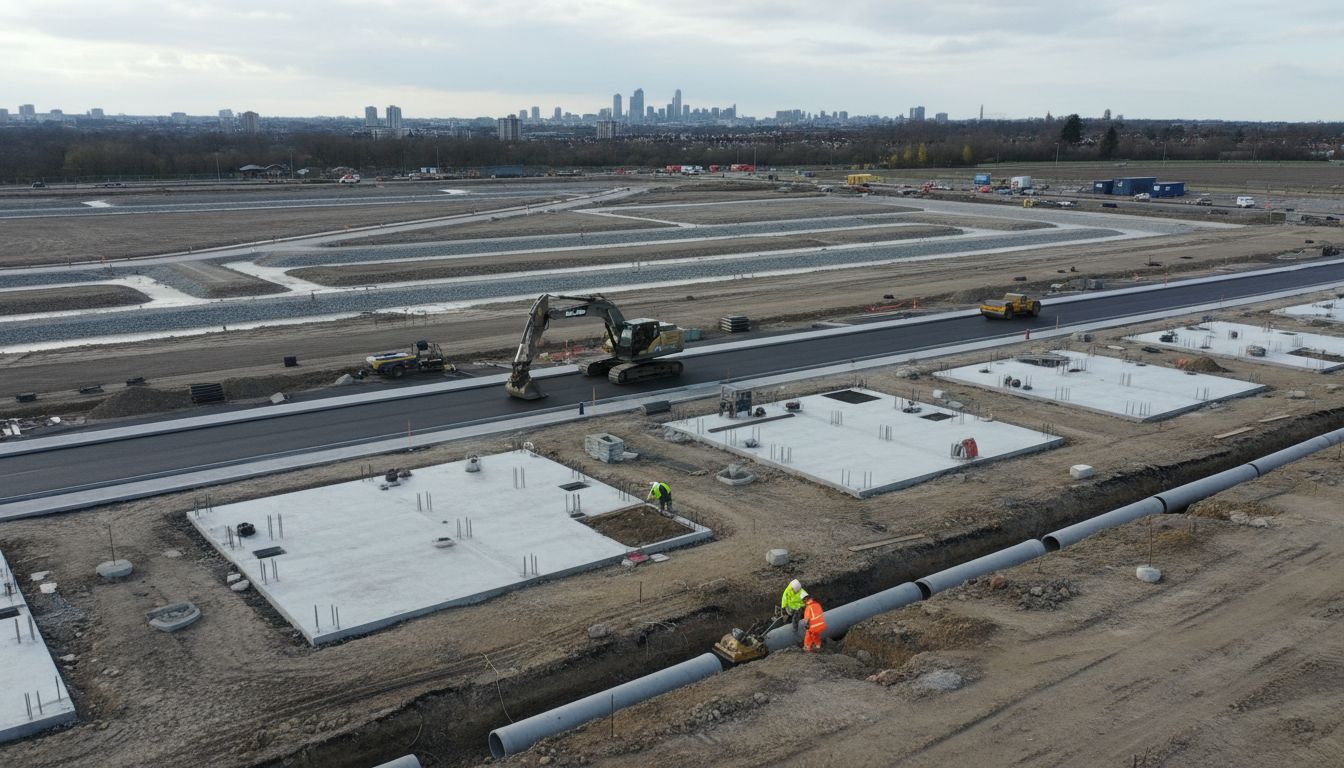
For UK groundworks and civil engineering teams, this is especially relevant because early-stage errors have a habit of cascading. A missed utility clash, an underestimated access constraint, or a late drainage component can quickly affect plant utilisation, labour efficiency, and downstream trades. Smarter site preparation is therefore not just an admin exercise; it is a direct productivity tool that helps protect both margin and programme.
The connection between site readiness and stalled projects
Many stalled projects look, on the surface, like procurement problems or labour problems. In reality, they are often site-readiness problems first. If information is incomplete when orders are placed, teams risk buying the wrong specification, releasing work packages in the wrong sequence, or discovering on-site constraints after key dates have already been committed. That is when delay becomes expensive.
CONEXPO-CON/AGG has highlighted procurement as a named driver of jobsite delay and recommends mapping the process end to end in order to identify gaps. That advice translates well to UK construction. If procurement is reviewed as a full workflow rather than a standalone buying task, teams can see where hold-ups are really forming: design sign-off, technical submittals, commercial approvals, vendor queries, transport arrangements, or missing contract information.
CPWR/Dodge research adds another useful point. While 95% of contractors now produce a health and safety plan before construction begins, the industry still reports gaps in wider preconstruction planning and technology use. In other words, many teams are preparing for safe delivery but not always for fully coordinated delivery. Smarter site preparation closes that gap by treating logistics, procurement, sequencing, safety, and labour readiness as one integrated pre-start process.
Skills shortages make early planning non-negotiable
The skills gap is no longer a background concern; it is a live delivery risk. CITB’s Industry Picture 2026 warns that if the sector continues unchanged, the gap between demand and capacity will widen, with the result that needed homes and infrastructure could be delayed or cancelled. That should sharpen attention on preconstruction planning, because the less slack there is in the labour market, the less room there is for avoidable disruption on site.
CITB also notes that widening skills shortages are likely to push up tender prices as firms compete for scarce labour and specialist capability. From a contractor’s perspective, that means inefficient starts are becoming even more costly. If a project mobilises before access, information, or materials are genuinely ready, valuable labour can be left waiting, resequenced, or redirected at short notice. In a tight labour market, that waste quickly affects both cost and reputation.
RICS, EY, and PMI all reinforce the same message from different angles. Training, skills development, and workforce planning need to sit at the centre of productivity strategy. EY recommends skills inventory, gap analysis, and removing hiring barriers, while PMI points to communication, collaborative leadership, and planning expertise as critical project skills. Smarter site preparation works best when teams stop treating labour planning as a simple count exercise and instead match real site tasks to verified skills, timing, and supervision capacity.
Procurement needs to start earlier and act more strategically
Procurement delays are now affecting site progress so directly that they should be treated as a core preconstruction issue. Linesight’s 2026 market outlook argues that clients can reduce schedule and procurement risk by planning earlier, testing assumptions, engaging the market before key decisions are fixed, and carrying out early checks on contractors, utilities, permits, and long-lead items. That approach is highly relevant where enabling works and civil packages depend on equipment, drainage products, kerbs, paving materials, reinforcement, precast elements, or specialist plant availability.
Timing matters because supplier capacity remains tight. Linesight reports that 86% of suppliers were fully utilised in Q1 2026, while 69% cited supply-chain constraints as a top capacity risk. In that environment, production slots do not simply appear because a site is ready to go. Vendor prioritisation and early engagement become essential, particularly for products or systems with complex manufacturing, transport, or compliance requirements.
There is also a wider organisational shift underway. CIPS reports that 52% of respondents believe procurement now has greater influence over organisational spend, and 41% describe the procurement relationship with the board as aligned or close. That tells us procurement is no longer just an operational buying function. For construction firms, smarter site preparation means bringing procurement into project leadership discussions early enough to shape sequence, risk allowances, specification choices, and delivery strategy before delays are baked into the programme.
Site selection and utility readiness are becoming bigger risks
For some projects, site preparation starts well before any excavation begins. Linesight highlights that early site selection is becoming more critical for power-intensive developments such as data centres and advanced manufacturing facilities, which need early consideration of grid capacity, connection timelines, and utility requirements. While not every civil engineering project is power-intensive in the same way, the principle is increasingly universal: utility readiness can no longer be left to later-stage coordination.
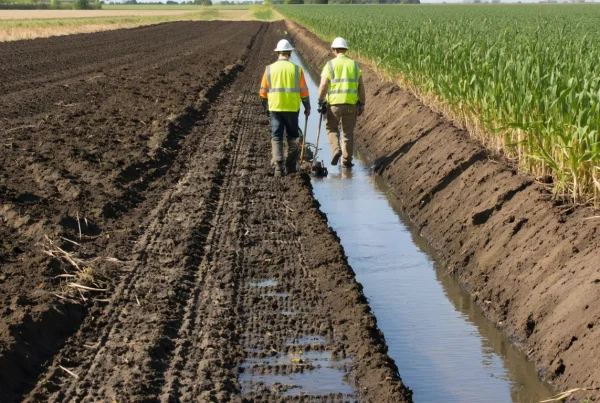
On infrastructure, industrial, and commercial schemes alike, delayed utility information can undermine programme certainty from day one. Ground conditions, drainage tie-ins, diversions, statutory approvals, and service protection measures all affect how work fronts are opened and maintained. If these issues are not explored properly during preconstruction, contractors can find themselves with labour, plant, and subcontractors committed to a site that cannot progress as planned.
Smarter site preparation therefore means expanding the definition of readiness. It is not enough to ask whether the site has been handed over. Teams need to confirm whether it is actually buildable in operational terms: access routes agreed, service information verified, permits lined up, temporary power or water arranged where needed, and utility stakeholders engaged early enough to support the sequence. That level of checking often makes the difference between a smooth mobilisation and a stalled start.
Technology can help, but only if the process is sound
There is growing interest in digital tools, and with good reason. RICS points to AI tools supporting scheduling, cost estimation, quality monitoring, and resource allocation, while EY describes increasing use of AI-enabled workforce strategies. Used properly, these tools can strengthen wise site preparation by flagging programme clashes, improving forecasting, and helping teams allocate skills where they add the most value.
However, technology is not a substitute for discipline. If baseline information is poor, if scope remains unclear, or if site constraints have not been properly surveyed, digital tools will simply process flawed assumptions more efficiently. The real gain comes when technology sits on top of a robust pre-start process: accurate quantity take-offs, realistic work sequencing, verified supplier timelines, and a live understanding of available labour and supervision.
CITB has also recommended better use of modern technologies alongside improved retention and better training-to-job matching. That combination is important. For contractors and suppliers, the best results tend to come from pairing practical field knowledge with systems that improve visibility. A planner using AI-assisted sequencing still needs current utility data. A buyer using dashboards still needs technical approvals in place. A site manager still needs enough competent people available to deliver the planned work safely and productively.
Contract capability and coordination still decide outcomes
Another reason projects stall is that the contract administration side of pre-start work is underestimated. JCT warns that skills gaps in contract administration can create barriers to efficient procurement, lead to inconsistent contract management, and contribute to rising disputes. That is not just a commercial issue for office; it has direct site consequences when package scopes, responsibilities, notice requirements, and approval pathways are unclear.
In practice, this often shows up as delayed instructions, uncertainty around design responsibility, incomplete records, or arguments over whether a supplier or subcontractor was actually authorised to proceed. For civil engineering and groundworks packages, where timing and interface management are critical, those ambiguities can disrupt work fronts very quickly. A project may appear physically ready, yet still stall because contract and information flows have not been properly aligned.
PMI’s findings on the most sought-after project skills are helpful here. Communication, collaborative leadership, and planning expertise are not soft extras; they are core delivery skills. Smarter site preparation depends on people who can coordinate across commercial, technical, operational, and supply-chain functions without letting issues sit unresolved between departments. In many firms, improving that coordination will unlock more value than adding another layer of reporting.
What a practical smarter site preparation plan looks like
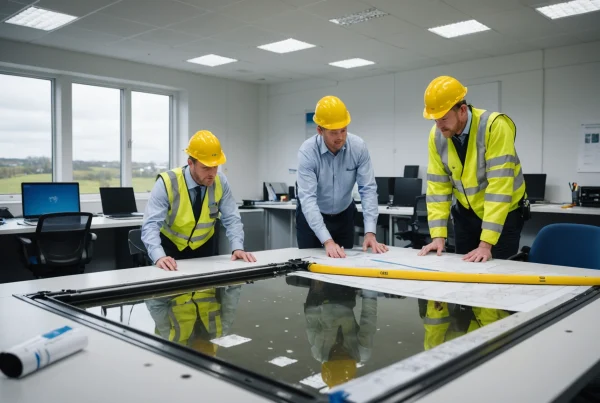
For UK contractors, a site preparation plan should begin with a structured readiness review before mobilisation dates are locked in. That review should cover design maturity, utility constraints, access, permits, temporary works needs, long-lead procurement items, subcontractor interfaces, and labour availability by skill. If one of those areas is still uncertain, the programme should show that risk honestly rather than hiding it behind optimistic assumptions.
The next step is to map procurement from end to end, as recommended in current delay research. That means checking not only when orders need to be placed, but what information is required before they can be placed with confidence. Teams should identify package-specific approval points, production lead times, delivery windows, storage limits, and alternatives if first-choice suppliers cannot commit. Where supplier capacity is tight, early vendor conversations can be as important as the formal order itself.
Finally, workforce planning needs to become a live part of site preparation rather than a last-minute staffing call. A skills inventory, gap analysis, and realistic supervision plan should sit alongside the construction programme. If specialist trades, plant operators, contract administrators, or project management staff are likely to be constrained, that risk should shape sequencing decisions early. Site preparation is most effective when procurement, logistics, safety, and labour strategy are reviewed together instead of in separate silos.
None of this removes the wider pressures facing the construction industry. Skills shortages, rising demand, and supply-chain constraints will continue to test project teams across the UK. CITB, EY, and PMI all point to talent and capacity risks that are unlikely to disappear quickly, while procurement research shows that supplier utilisation and long-lead exposure remain real concerns for delivery programmes.
Even so, smarter site preparation offers one of the clearest and most practical ways to reduce the risk of stalled projects. By planning earlier, validating assumptions, strengthening procurement discipline, and taking a skills-first approach to mobilisation, firms can improve site readiness even in a tight market. For civil engineering, groundworks, and paving professionals, that is not just a productivity conversation; it is increasingly the difference between a project that hesitates at the gate and one that gets built with confidence.