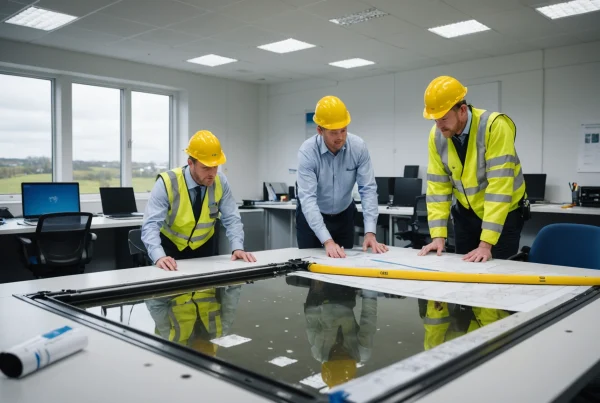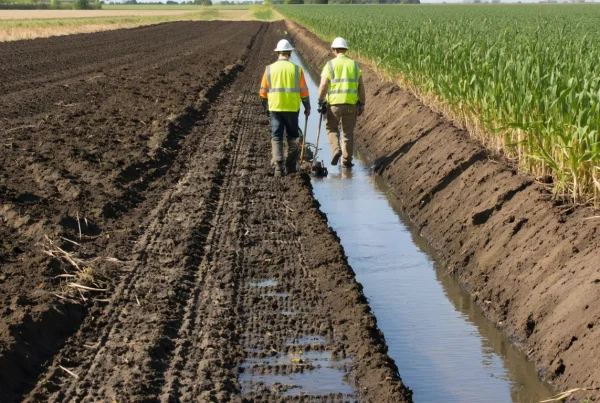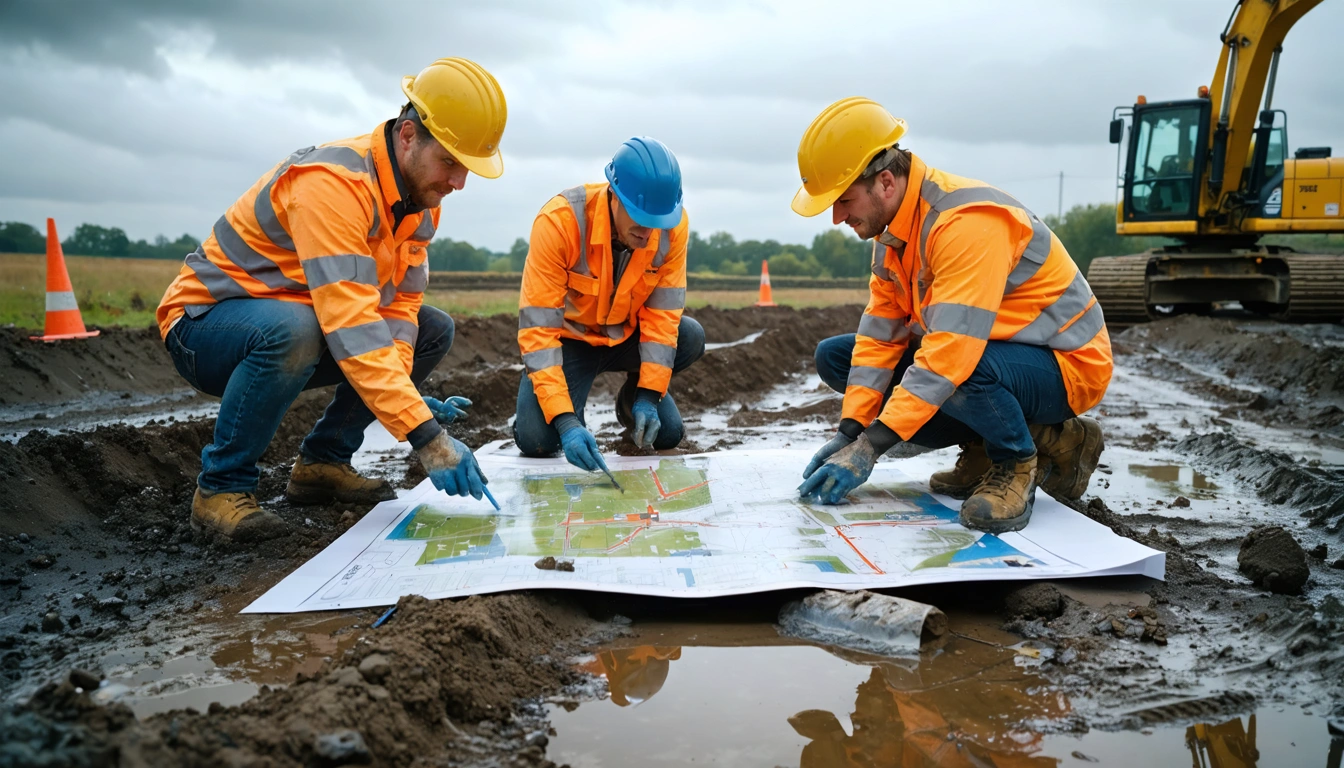
In civil engineering, water is one of the most important forces to plan for, even when it is not immediately visible on the surface. Rainfall, runoff, groundwater, and storm events can all influence how a site performs over time, affecting roads, foundations, slopes, utilities, landscapes, and public safety.
Effective drainage design and installation help control where water goes, how quickly it moves, and how safely it is discharged or retained. When drainage is treated as a core part of project planning rather than an afterthought, for UK Civil Engineers, projects are more resilient, more cost-effective, and better prepared for long-term performance.
Water Management as a Core Engineering Responsibility
Drainage is not simply about removing unwanted water from a construction site. It is a coordinated engineering process that considers topography, soil conditions, rainfall intensity, land use, infrastructure capacity, and environmental requirements.
In civil engineering projects, water management must be integrated early in the design phase. Site grading, pavement design, foundation planning, utility placement, and landscape features can all be affected by drainage decisions.
Surface Water and Runoff Control
Surface water runoff occurs when rainfall or melting snow flows over land, pavements, roofs, and other surfaces instead of soaking into the ground. Urban and developed sites often create more runoff because impervious surfaces reduce natural infiltration.
Engineers use grading plans, channels, gutters, culverts, catch basins, detention systems, and storm sewer networks to guide surface water safely through a site. The goal is not always to move water away as quickly as possible.
Subsurface Drainage and Soil Stability
Subsurface water can be just as damaging as visible surface runoff. When water accumulates within soil layers, it can reduce soil strength, increase hydrostatic pressure, and contribute to settlement or slope instability.
Subsurface drainage systems, such as perforated pipes, drainage blankets, filter media, and underdrains, help intercept and redirect groundwater before it creates structural or geotechnical problems.
How Poor Drainage Affects Project Performance
Drainage failures can have serious consequences throughout the life of a civil engineering project. Standing water may seem like a minor inconvenience at first, but over time it can accelerate pavement deterioration, damage concrete and masonry, increase maintenance costs, and create unsafe conditions for pedestrians and vehicles.
One of the most common problems caused by inadequate drainage is erosion. When runoff flows too quickly or is concentrated in the wrong location, it can remove soil, undermine slopes, expose utilities, and carry sediment into waterways or drainage systems.
Impacts on Roads, Pavements, and Transportation Infrastructure
Roads and pavements are highly sensitive to drainage conditions. Water that infiltrates pavement layers can weaken the base, lead to potholes, cause cracking, and shorten the service life of the roadway.
Proper drainage design for transportation infrastructure includes crown slopes, cross slopes, side ditches, curb inlets, subsurface drains, and outlet structures. These elements work together to prevent water from remaining on the travel surface or within the pavement structure.
Drainage Design and Structural Protection
Drainage has a direct relationship with the durability and safety of built structures. Buildings, bridges, retaining walls, culverts, and other civil works are often designed to resist significant loads, but water can introduce additional forces that are difficult to control if they are not planned for early.
For buildings and foundations, drainage design helps prevent water from collecting around footings, slabs, crawl spaces, and basements. Foundation drains, positive surface grading, waterproofing systems, sump systems, and properly located discharge points all work together to limit moisture exposure.
Retaining Walls and Hydrostatic Pressure
Retaining walls are especially vulnerable to poor drainage because they are designed to hold back soil, not uncontrolled water pressure. When water accumulates behind a wall, the added hydrostatic pressure can significantly increase lateral loads.
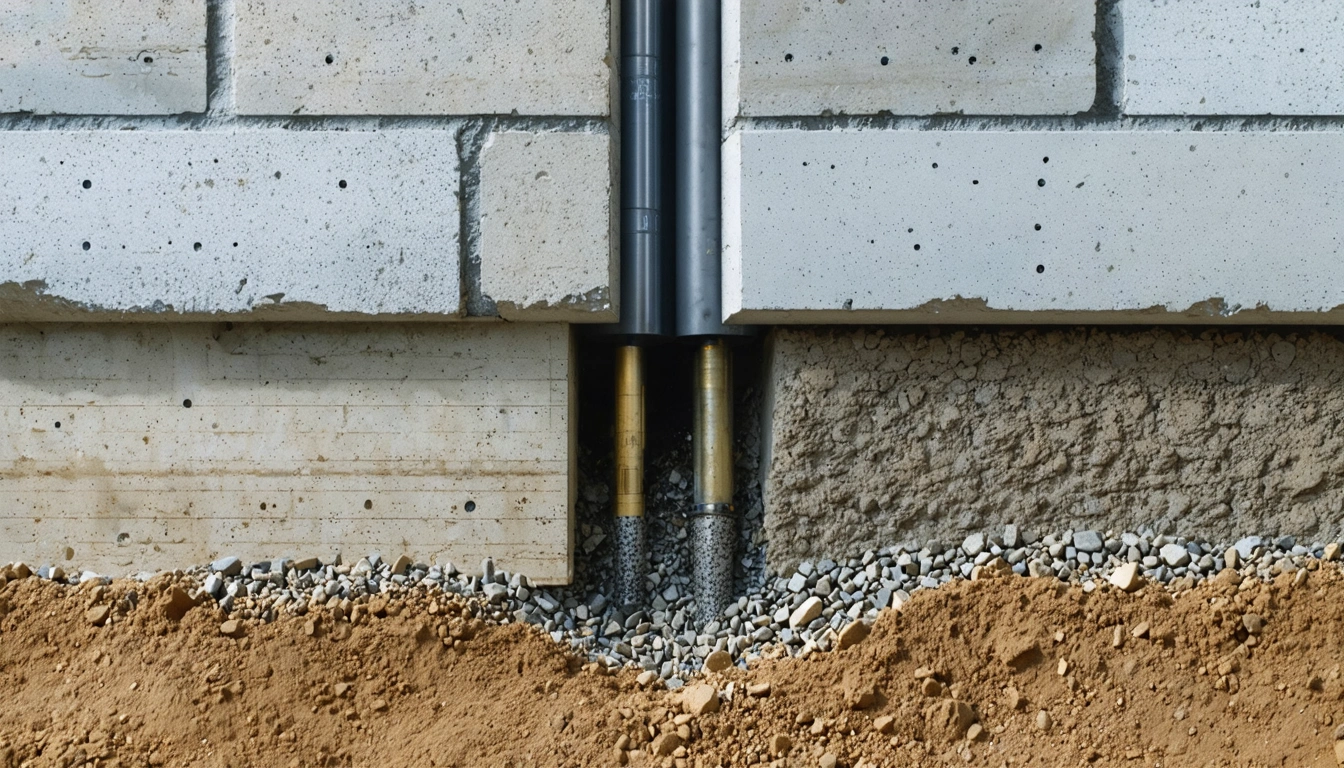
Effective retaining wall drainage commonly includes free draining backfill, perforated collector pipes, weep holes, filter fabric, and properly designed outlets. These components allow water to escape while preventing soil particles from washing out.
Bridge Approaches, Culverts, and Scour Control
Drainage is also critical around bridges, culverts, and water crossings. Flowing water can erode soil around foundations, abutments, piers, and embankments, a process known as scour.
Civil engineers address these risks through hydraulic analysis, properly sized culverts, erosion protection, riprap, energy dissipation structures, channel stabilization, and careful alignment of flow paths.
Regulatory, Environmental, and Sustainability Considerations
Modern drainage design is not limited to moving water from one place to another. Civil engineering projects must often satisfy stormwater regulations, environmental protection requirements, floodplain rules, erosion control standards, and water quality objectives.
When land is developed, natural drainage patterns are often altered. Vegetation may be removed, soils may be compacted, and impervious surfaces may increase. These changes can increase runoff volume, accelerate peak flows, and transport pollutants such as sediment, oils, metals, fertilizers, and debris.
Stormwater Detention and Retention
Detention and retention systems are commonly used to manage runoff from developed sites. A detention basin temporarily stores stormwater and releases it at a controlled rate, helping reduce downstream flooding and pressure on storm sewer networks.
These systems must be sized based on rainfall data, contributing drainage area, soil characteristics, land cover, outlet capacity, and local design criteria. Poorly sized basins can overflow during storms, remain wet longer than intended, or fail to provide the required level of flood control.
Green Infrastructure and Low Impact Development
Many civil engineering projects now incorporate green infrastructure and low impact development strategies to manage stormwater closer to where it falls. Examples include bioswales, rain gardens, permeable pavements, infiltration trenches, vegetated filter strips, green roofs, and constructed wetlands.
Green infrastructure must still be engineered carefully. Soil infiltration rates, groundwater depth, overflow routes, plant selection, maintenance requirements, and sediment loading all influence performance. When these systems are installed without proper analysis or construction oversight, they may clog, flood, or fail to meet water quality goals.
The Role of Site Investigation in Drainage Planning
Reliable drainage design begins with a clear understanding of site conditions. Before engineers can determine how water should be managed, they need accurate information about existing topography, soils, groundwater, drainage patterns, utilities, surrounding development, and receiving systems.
Site investigation may include topographic surveys, geotechnical borings, infiltration testing, groundwater monitoring, utility mapping, floodplain research, and review of historical drainage issues. Engineers may also study nearby roads, channels, culverts, and storm sewer systems to understand how the project will connect to the broader drainage network.
Topography and Grading
Topography determines how surface water naturally moves across a site. Even small elevation differences can influence whether runoff drains efficiently or collects in low areas.
Good grading design balances drainage performance with other project needs such as building access, roadway slopes, sidewalk grades, landscape areas, Americans with Disabilities Act accessibility requirements, and earthwork efficiency.
Soil Conditions and Infiltration Capacity
Soils play a major role in drainage behavior. Sandy soils may allow water to infiltrate quickly, while clay soils may hold water near the surface for long periods.
Understanding soil conditions helps engineers decide whether infiltration based systems are practical, whether underdrains are needed, and how stable slopes or embankments will be during wet conditions.
Installation Quality and Construction Practices
Even the best drainage design can fail if installation is poor. Drainage systems rely on correct elevations, slopes, alignments, materials, connections, and compaction. A pipe installed at the wrong grade, an inlet set too high, or a clogged outlet can prevent the entire system from functioning as intended.
Construction phase quality control is essential because many drainage components are buried and difficult to inspect after installation. Field verification, survey checks, material inspections, compaction testing, and proper documentation help ensure that the installed system matches the design intent.
Pipe Slope, Bedding, and Alignment
Storm drains, underdrains, and culverts depend on proper slope to convey water. If the slope is too low, sediment may settle and reduce capacity. If the slope is too steep, water velocity may increase and cause outlet erosion or pipe wear.
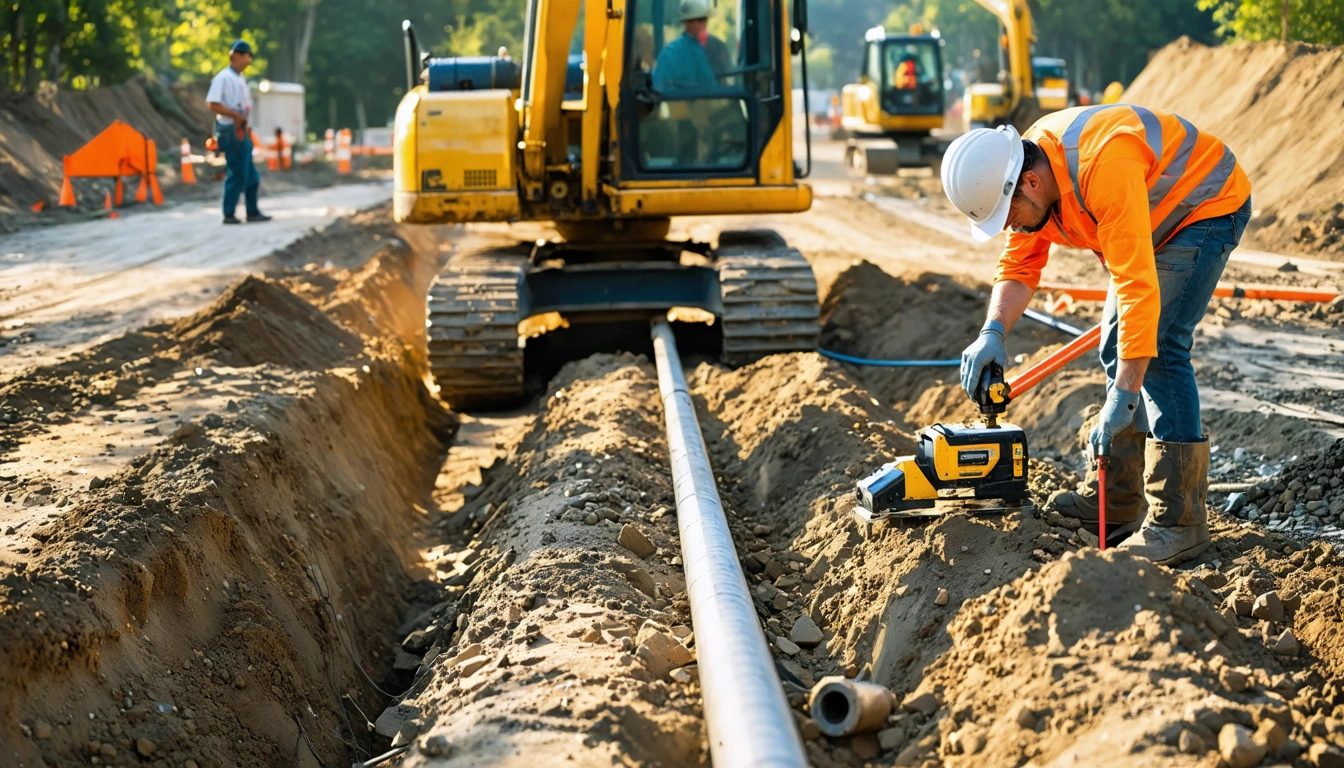
Pipe bedding and backfill provide support and protect the pipe from deformation or damage. Inadequate bedding can cause settlement, cracking, joint separation, or loss of grade.
Inlets, Outlets, and Maintenance Access
Drainage inlets must be located where water naturally flows and set at elevations that allow runoff to enter efficiently. If inlets are misplaced or surrounded by poor grading, water may bypass them and pond elsewhere.
Outlets require equal attention. Water discharged from a drainage system can cause erosion, flooding, or property damage if it is released without energy control or a stable receiving area.
Long Term Maintenance and Asset Management
Drainage systems require ongoing maintenance to perform reliably throughout the life of a civil engineering project. Catch basins fill with sediment, pipes collect debris, vegetation can block swales, and outlet protection can be displaced by high flows.
A strong drainage plan should consider maintenance from the beginning. This includes providing accessible inspection points, designing safe entry areas, selecting durable materials, and avoiding layouts that are difficult to clean or monitor.
Inspection and Cleaning
Routine inspection helps identify drainage problems before they become costly. After major storms, crews should check for blocked inlets, eroded slopes, damaged pipes, sinkholes, sediment buildup, and standing water.
Cleaning schedules depend on site conditions. Areas with heavy tree cover, construction activity, high sediment loads, or frequent traffic may require more frequent maintenance. Catch basins, trench drains, culverts, and detention basin outlets should be kept clear so water can move through the system as designed.
Designing for the Full Life Cycle
Drainage design should account for the full life cycle of the project, not just initial construction. Materials must be selected for expected service conditions, including soil chemistry, traffic loads, corrosion potential, abrasion, and freeze and thaw exposure.
Life cycle thinking can also reduce long term costs. A drainage system that is slightly more expensive to install may be more economical if it reduces pavement repairs, foundation issues, flooding claims, or emergency maintenance.
Adapting Drainage Design to Climate and Development Changes
Civil engineering projects are increasingly expected to perform under changing rainfall patterns, expanding development, and more frequent extreme weather events. Drainage systems designed only for past conditions may not provide enough resilience for future demands.
In growing communities, upstream development can increase flow into existing drainage networks. A culvert, ditch, or storm sewer that once had adequate capacity may become undersized as impervious area increases.
Flood Resilience and Emergency Overflow Routes
No drainage system can eliminate all flood risk, especially during storms that exceed the design event. However, engineers can reduce damage by planning safe overflow routes.
Examples include overland flow paths, emergency spillways, roadway sag relief routes, and controlled ponding areas. These features help ensure that extreme runoff follows a predictable path instead of creating uncontrolled flooding.
Coordination With Existing Infrastructure
Drainage systems rarely operate in isolation. New projects often connect to existing storm sewers, roadside ditches, channels, detention facilities, or natural waterways. Engineers must confirm that receiving systems have sufficient capacity and that new discharge patterns will not create downstream problems.
This coordination may involve hydraulic modeling, agency review, easement evaluation, utility coordination, and field investigation. It may also require upgrades to existing infrastructure if the proposed project increases runoff or changes drainage patterns.