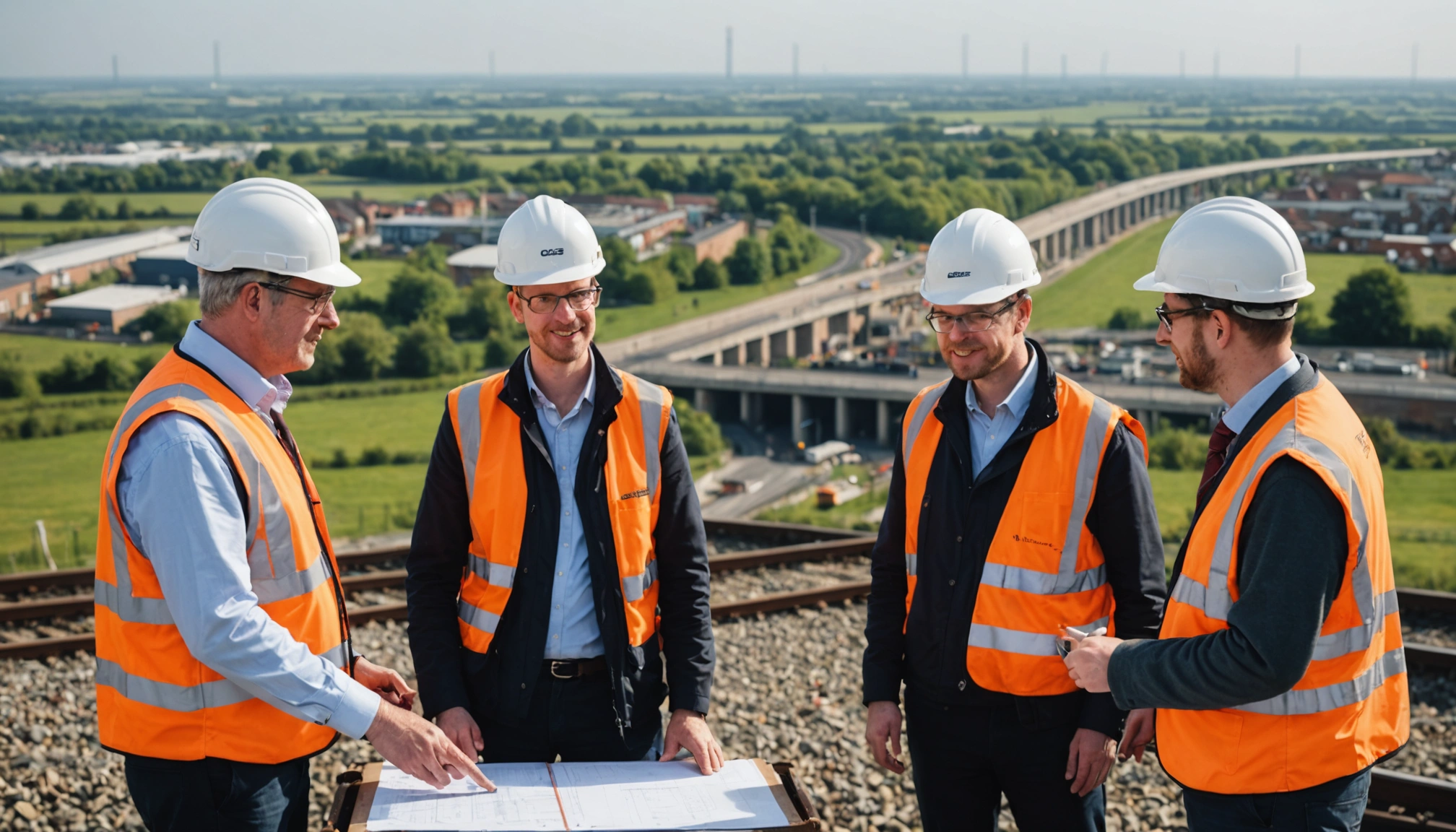
The Didcot Science Bridge is a major piece of transport infrastructure intended to improve connections between Didcot, surrounding employment areas and key development sites in southern Oxfordshire. More than a new road crossing, the scheme must reconcile regional growth ambitions with the practical demands of building above one of the busiest and most operationally sensitive railway corridors in the country.
Its design and construction highlight the complexity of modern bridge engineering. Rail safety, restricted access, ground conditions, environmental responsibilities and long term transport needs all influence how the structure can be delivered. The project therefore offers a valuable case study in how multidisciplinary teams plan infrastructure within a constrained and rapidly changing landscape.
Why the Bridge Matters to Didcot’s Growth
Didcot has expanded from a railway town into an important centre for science, technology and advanced research. Employment destinations around the town attract workers and visitors from across Oxfordshire, while planned housing and commercial development are expected to place additional pressure on existing roads. The Science Bridge is intended to support this growth by creating a more direct connection across the railway and improving access to major employment areas.
The crossing also forms part of a wider effort to reshape local movement patterns. Existing routes can concentrate traffic at a limited number of railway crossings and junctions, creating delays and reducing network resilience when incidents occur. A new connection has the potential to distribute journeys more effectively, although its success depends on how well it integrates with surrounding roads, walking routes, cycle infrastructure and public transport.
Infrastructure Serving More Than Road Traffic
A contemporary bridge scheme must accommodate a broader range of users than conventional highway projects of the past. Safe provision for pedestrians and cyclists is particularly important in Didcot, where relatively short distances separate residential areas, the railway station and major workplaces. Designing these facilities into the bridge from the outset can help make active travel a practical choice rather than an afterthought.
The project must also anticipate future demand without creating a structure that is unnecessarily large or difficult to maintain. Engineers and transport planners use traffic forecasts, development plans and movement data to determine the appropriate layout. These assessments must balance additional capacity with safety, environmental performance and the objective of supporting more sustainable travel.
Engineering Above a Live Railway
Constructing a bridge over an operational railway creates a tightly controlled engineering environment. Work above or near tracks must be planned around train movements, electrical systems, signalling equipment and strict safety procedures. Activities that would be routine on an open construction site may require railway possessions, temporary isolation of equipment or carefully timed working windows when undertaken beside live rail infrastructure.
This constraint affects almost every stage of delivery, from site investigation to lifting the main bridge elements into place. Contractors must identify which operations can be completed away from the railway and which require direct access to the corridor. Off site fabrication and assembly in nearby work areas can reduce the amount of time spent above the tracks, improve quality control and limit disruption to rail services.
Designing the Span and Supporting Foundations
The bridge layout must provide adequate clearance over the railway while responding to the position of tracks and other operational assets. Placing supports within the rail corridor can increase construction and maintenance risks, so engineers often seek to minimise the number of piers near live lines. Longer spans can address that challenge, but they also increase structural weight, fabrication demands and the complexity of installation.
Foundation design presents another significant consideration. Ground investigations are needed to establish soil strength, groundwater conditions and the presence of previous development or buried infrastructure. The selected foundation system must safely transfer loads from the bridge while limiting settlement and avoiding harmful movement close to the railway. Monitoring may continue throughout construction so that engineers can detect unexpected changes and respond before they affect either the new structure or existing rail assets.
Planning the Bridge Installation
Once the foundations and approach structures are ready, installing the main span becomes one of the most critical phases of the programme. The operation must be designed around the weight and geometry of the bridge, the available space beside the railway and the limited periods during which rail traffic can be suspended. Every movement must be rehearsed and supported by contingency plans because an incomplete installation could prevent the railway from reopening on time.
Depending on the final construction strategy, major bridge sections may be assembled near the crossing and moved into position using large cranes, self propelled modular transporters or a controlled launching system. Each method has different implications for temporary works, ground preparation and railway access. A crane lift requires sufficient working radius and stable bearing platforms, while a transported installation depends on a clear route and accurately prepared support points.
Railway Possessions and Contingency Planning
A railway possession is a scheduled period when part of the rail network is closed or placed under special operating controls so that construction can proceed safely. These periods are often arranged far in advance and may coincide with nights, weekends or lower demand travel periods. The bridge team must therefore complete as much preparation as possible before the possession begins.
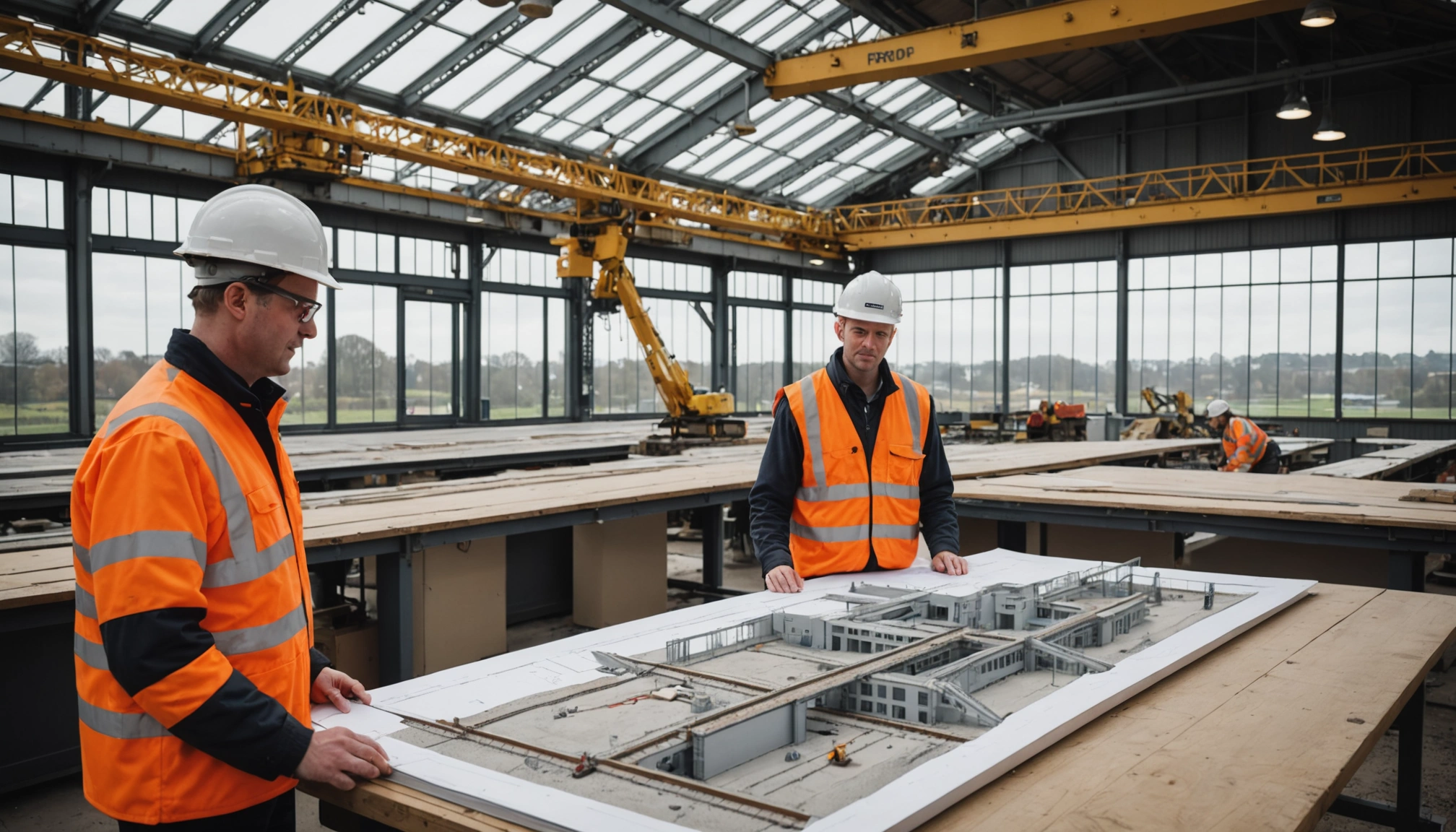
Preparatory tasks can include assembling structural components, testing lifting equipment, surveying bearing positions and confirming that temporary access routes can carry heavy loads. Teams may also carry out full installation rehearsals using digital models and detailed task schedules. During the possession, clearly defined decision points allow project leaders to assess whether work is progressing safely or whether an alternative plan should be activated.
Contingency measures may include backup lifting equipment, spare components, additional engineering staff and procedures for making the railway safe if the bridge cannot reach its final position. Weather limits are also important. High winds can make lifting large bridge elements unsafe, while heavy rain may affect crane platforms, access roads and earthworks.
Building the Approaches and New Highway Connection
The bridge itself represents only one part of the overall engineering challenge. New approach roads must rise gradually to provide the required railway clearance while still meeting highway standards for gradients, visibility and safe junction design. This can require substantial embankments, retaining structures and drainage systems on either side of the crossing.
The amount of imported fill and the behaviour of the underlying ground can have a major influence on the programme. Large embankments apply new loads to the soil, potentially causing settlement over time. Engineers may use staged construction, ground improvement, lightweight fill or vertical drainage techniques to manage this movement. Instrumentation can measure settlement and pore water pressure so that subsequent works begin only when the ground is performing as expected.
Managing Interfaces With Existing Roads and Utilities
Connecting the new route to the local highway network requires careful traffic management. Junction works may need to be phased so that access to homes, businesses and employment sites can continue throughout construction. Temporary lane arrangements, controlled crossings and revised bus routes may be needed as work progresses.
Utility diversions can create further complexity. Water mains, electricity cables, communications ducts and drainage pipes may cross the construction area or conflict with new foundations. Records do not always identify their exact depth and position, so surveys and trial excavations are used to verify conditions before major earthworks begin. Early coordination with utility operators helps reduce the risk of late design changes and service interruptions.
Drainage, Flood Risk and Water Quality
A new road and bridge introduce additional impermeable surfaces from which rainwater must be collected and discharged safely. Without suitable controls, runoff can increase flood risk, erode nearby land or carry sediment and pollutants into watercourses. The drainage design must therefore address both the volume and quality of water leaving the scheme.
Features such as attenuation basins, swales, filter drains and flow control chambers can hold water temporarily before releasing it at a controlled rate. These systems can also trap sediment and support the treatment of pollutants associated with road traffic.
Protecting the Railway During Wet Weather
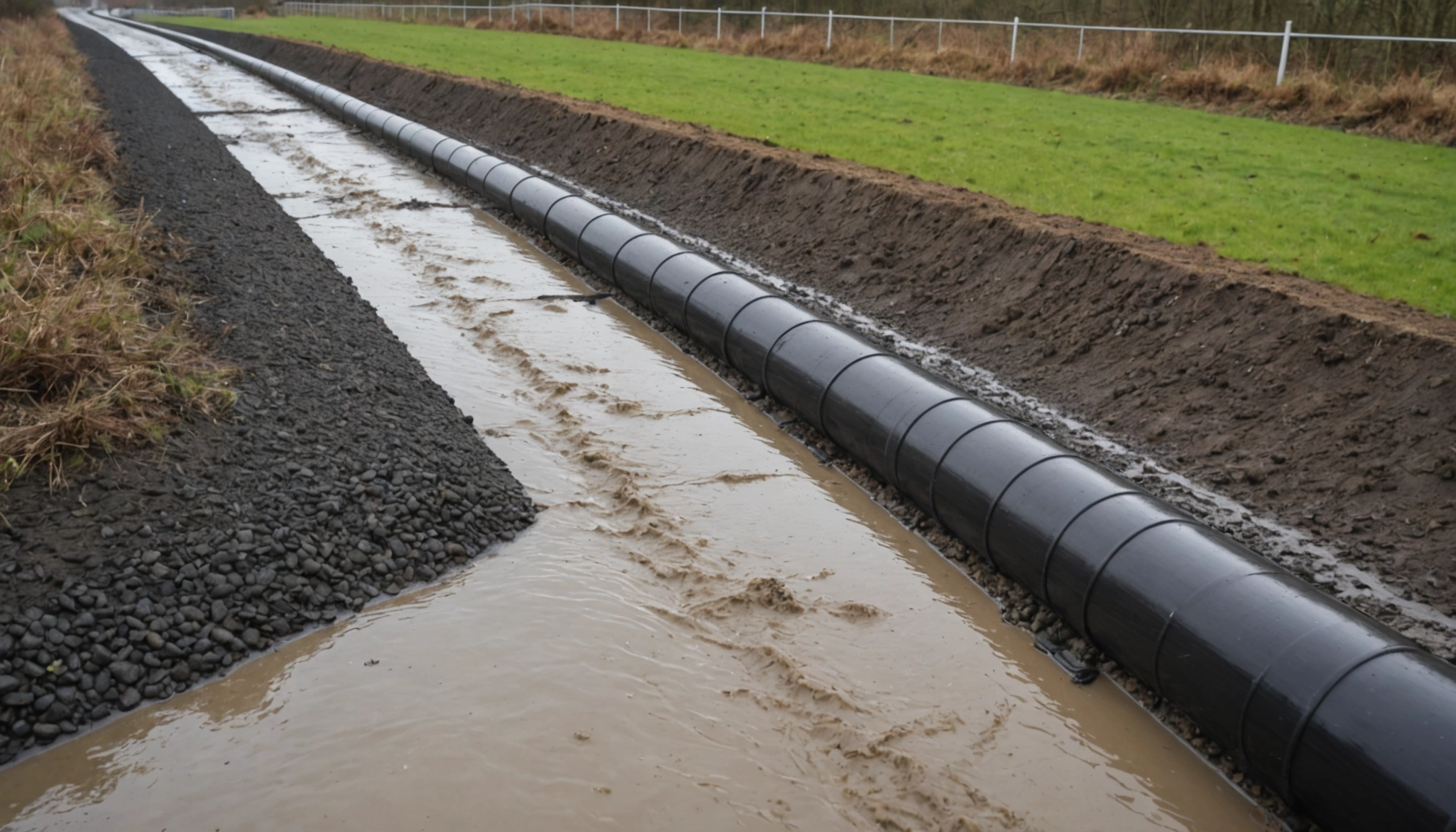
Drainage above a railway requires particular attention because uncontrolled water can damage electrical equipment, track foundations and signalling assets. Bridge deck outlets, waterproofing membranes and pipe connections must be robust, accessible and designed to avoid discharging directly onto operational infrastructure.
Temporary drainage is equally important during construction. Exposed soil, incomplete embankments and excavation areas can produce sediment laden runoff after heavy rain. Settlement tanks, silt barriers and regular inspections help prevent construction activity from affecting the railway or the wider water environment.
Environmental Management Across the Site
Infrastructure construction can disturb habitats, generate noise and change the character of the surrounding landscape. Environmental assessment helps identify sensitive areas and determines where impacts can be avoided, reduced or compensated for.
Vegetation clearance may be programmed around ecological constraints, while protective fencing can separate working areas from retained habitat. Lighting near access routes and compounds can be designed to limit spill into surrounding land.
Landscape Integration and Biodiversity
The visual influence of the bridge extends beyond its deck and supporting structure. Embankments, retaining walls, safety barriers and lighting columns all contribute to how the scheme appears within the landscape.
Planting strategies can include native trees, shrubs and species rich grassland selected for local conditions. New drainage features may also be shaped to provide habitat where this is compatible with their engineering function.
Designing for Safety and Long Term Maintenance
A bridge must remain safe and serviceable for many decades after construction ends. Designers consider not only structural capacity but also how inspectors and maintenance teams will reach bearings, joints, drainage outlets and other components.
Reducing the number of components that require frequent intervention can improve whole life performance. Continuous or semi continuous deck arrangements may reduce the need for expansion joints, while durable protective coatings can slow corrosion of exposed steelwork.
Resilience to Accidental and Extreme Events
The design must account for events beyond normal traffic loading. Vehicle impact protection may be needed around structural supports, while barriers must prevent road vehicles from entering the railway corridor.
Fire and emergency access are additional considerations, particularly where an incident on the bridge could affect both road and rail operations. Coordination between highway authorities, railway operators and emergency services helps establish response arrangements, access points and communication procedures before the route opens.
Coordinating a Multidisciplinary Delivery Team
The Science Bridge requires input from structural engineers, highway designers, geotechnical specialists, railway systems engineers, environmental advisers, utility coordinators and construction planners. Their work is closely connected.
Digital design coordination allows teams to combine information from different disciplines and identify conflicts before they reach the site. Three dimensional models can show how structural elements relate to signalling equipment, overhead electrical systems and buried utilities.
Managing Cost, Programme and Change
Major infrastructure projects are exposed to uncertainty from ground conditions, material prices, approvals and access restrictions. Risk management involves identifying these issues early, assigning responsibility and deciding whether they should be avoided, reduced, transferred or allowed for within the programme and budget.
Design changes must be controlled carefully because even a small alteration can affect railway approvals, temporary works or ordered materials. A clear technical assurance process helps confirm that each stage satisfies highway, structural and railway requirements.
Testing, Commissioning and Opening the Route
Before the bridge can enter service, the completed works must be inspected and tested. Survey teams verify the final geometry, while engineers examine structural connections, bearings, waterproofing, drainage and safety barriers.
Commissioning also covers highway lighting, traffic signals, signs, road markings and communications equipment. Walking and cycling facilities must be checked for continuity, visibility and safe transitions into the surrounding network.
A Lasting Change to Didcot’s Transport Landscape
The completed bridge has the potential to provide greater resilience in Didcot’s transport network while supporting access to housing, employment and scientific research destinations. Its wider value will depend on reliable connections beyond the structure itself, including junction performance, active travel routes and links to public transport.
Delivering that outcome requires more than overcoming the physical railway crossing. It depends on coordinated engineering, careful construction planning and long term stewardship, making the Didcot Science Bridge a significant example of infrastructure shaped by both technical constraints and regional ambitions.