Have you ever watched rainwater gush down a street during a storm? It’s a sight that can be both mesmerising and concerning. Flooding risk is a growing worry in the UK, as our cities expand and climate patterns shift.
Efficient drainage systems are crucial. They prevent waterlogging and protect homes. Understanding modern drainage solutions can definitely help us manage urban spaces better and enhance our daily lives.

understanding urban Drainage Challenges
Urban drainage challenges arise from rapid city growth. Impermeable surfaces like roads and pavements stop water absorption. This leads to increased surface runoff during heavy rain. Stormwater can overwhelm existing systems, causing urban flooding.
Sustainable drainage solutions reduce pressure on traditional systems. Green roofs and permeable pavements help absorb rainwater. These methods mimic natural processes and improve water management in cities. They also enhance urban aesthetics and biodiversity.
Planners and engineers must consider local conditions. Soil type, rainfall patterns, and urban layout all influence drainage design. By tailoring solutions, we can address specific challenges effectively. Collaboration between stakeholders ensures extensive planning.
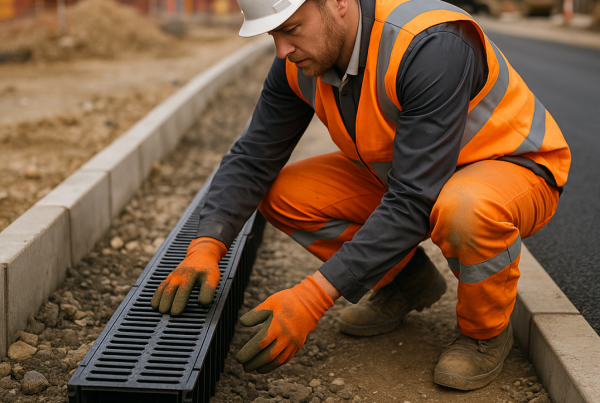
Regular maintenance is vital for effective drainage. Clear debris from gutters and drains to prevent blockages.Homeowners can help by keeping drains free from leaves and litter. Simple actions make a meaningful difference in preventing urban flooding.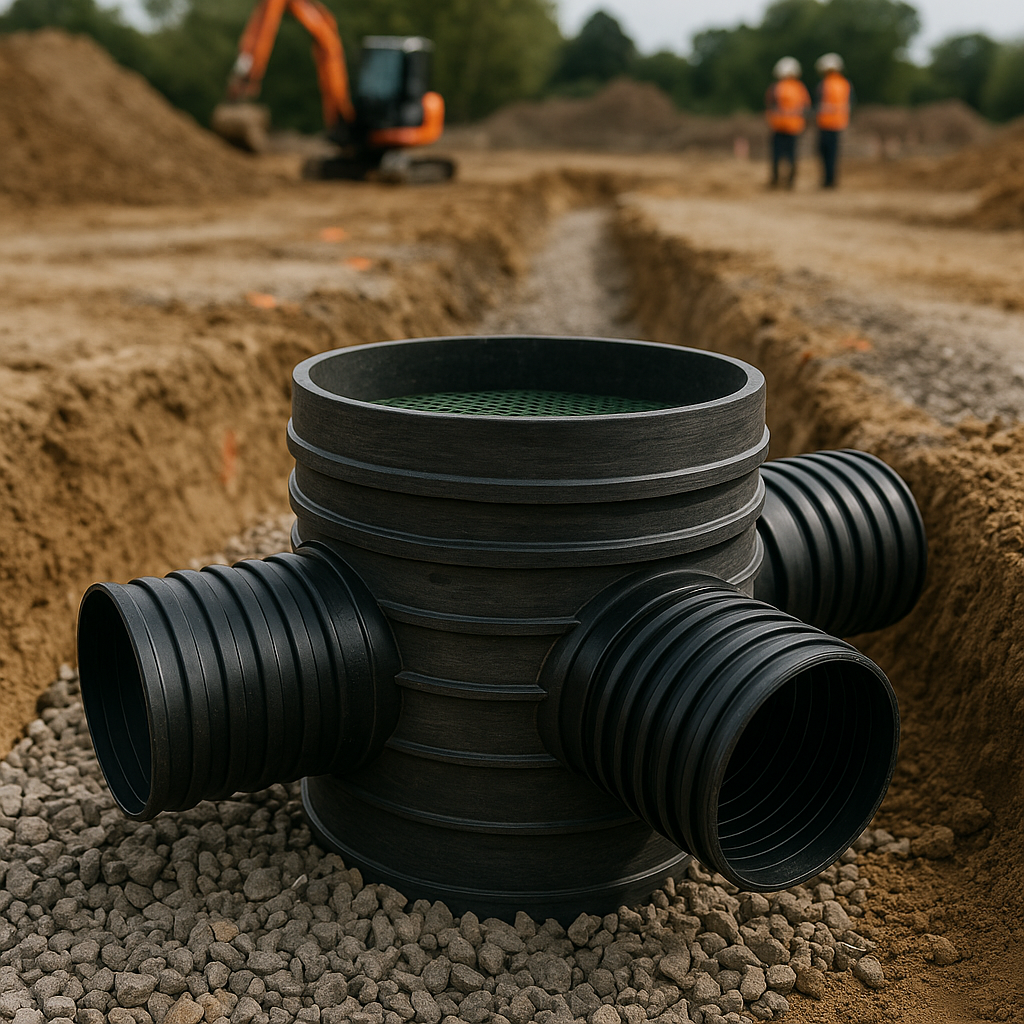
Sustainable Material Choices in Drainage
Using recycled materials in drainage systems can significantly reduce environmental impact. Recycled aggregates and plastics offer sustainable alternatives. These materials are durable and cost-effective, benefiting both the habitat and the budget.
Incorporating natural elements, like gravel and sand, enhances water infiltration. These materials ensure water flows naturally into the ground. This process reduces surface runoff and helps prevent flooding in urban areas.
Local materials also play a crucial role. using them shortens transport distances and lowers emissions. This approach supports local economies and promotes sustainability in civil engineering projects.
Choose materials wisely to suit specific site conditions. Such as, clay soils require careful consideration due to their impermeability.Understanding local geology ensures effective water management and long-lasting drainage solutions.
Advanced Technology in Water Management
Advanced technology plays a crucial role in modern water management.Smart sensors now monitor water levels in real-time. These devices alert authorities to potential flooding threats early. Engineers can then respond swiftly, reducing damage risks.
Remote monitoring systems offer additional benefits.They provide continuous data on drainage conditions.This data helps optimise maintenance schedules and resource allocation. Efficient management becomes easier with accurate, up-to-date data on hand.
Innovative software solutions assist in modelling drainage networks. These tools simulate various scenarios, predicting system responses to heavy rainfall. Engineers use this data to design better, more resilient systems for urban areas.
Public awareness also aids in effective water management. Educating communities about proper waste disposal can reduce blockages.When residents understand their impact, they contribute positively to drainage efficiency.
Integrating Green Spaces in Urban Design
Integrating green spaces in urban areas helps manage stormwater efficiently. Parks and gardens absorb rainwater naturally. This reduces runoff and eases pressure on drainage systems. Trees and plants also improve air quality and provide shade.
Green corridors can link urban parks, promoting biodiversity. these corridors allow wildlife to thrive in cities. They also offer residents pleasant routes for walking and cycling. Urban planners should prioritise creating these connections for both environmental and social benefits.
Community gardens are another effective solution. They offer green space for residents and improve water absorption. Local communities can maintain these areas, encouraging civic engagement and environmental awareness. Involving residents ensures long-term success and care of these spaces.
Consider rooftop gardens in urban design. They provide insulation and absorb rainwater, reducing runoff. they also create habitats for birds and insects. Rooftop gardens can transform bleak cityscapes into vibrant,green environments.
Community Involvement in Drainage Projects
Community involvement boosts drainage project success. Residents offer valuable insights into local water issues. their experiences guide planners in creating effective solutions tailored to specific areas.
Public consultation encourages active participation. Town hall meetings and workshops gather feedback from locals. This input ensures projects address real concerns and foster community support. Engaged residents feel ownership,promoting project success.
Volunteers can help maintain drainage systems. Community clean-up days keep drains clear of debris. These events educate participants on proper waste disposal, preventing blockages and reducing flood risks.
Local schools can join in educational programmes. these initiatives teach students about water management and environmental stewardship. Involving young people fosters long-term commitment to sustainable practices.This approach builds a community invested in effective drainage solutions.
Future Trends in Urban Drainage Solutions
Climate change will shape future drainage solutions. Rising rainfall demands innovative designs. Planners must adapt systems to handle extreme weather. Versatility becomes vital in urban areas.
nature-based solutions will gain importance. Wetlands and retention ponds manage excess water effectively. These features mimic natural water cycles, providing resilience during storms. They also support wildlife and enhance urban biodiversity.
Digital innovations will drive future strategies. AI can predict flooding patterns, improving response times. Planners will use data-driven insights to design adaptable systems. This approach ensures cities stay ahead of climate challenges.
Community engagement remains crucial. Local knowledge informs effective planning.Encourage residents to participate in initiatives. A collective effort strengthens drainage solutions and fosters a sense of ownership.
In Summary
Urban areas need smart drainage solutions to handle water effectively.Engineers are creating systems that adapt to changing climates and city landscapes. These innovations reduce flooding and protect infrastructure.
Incorporating green spaces and permeable surfaces can make a big difference. Consider installing rain gardens or green roofs in your community to manage water better.