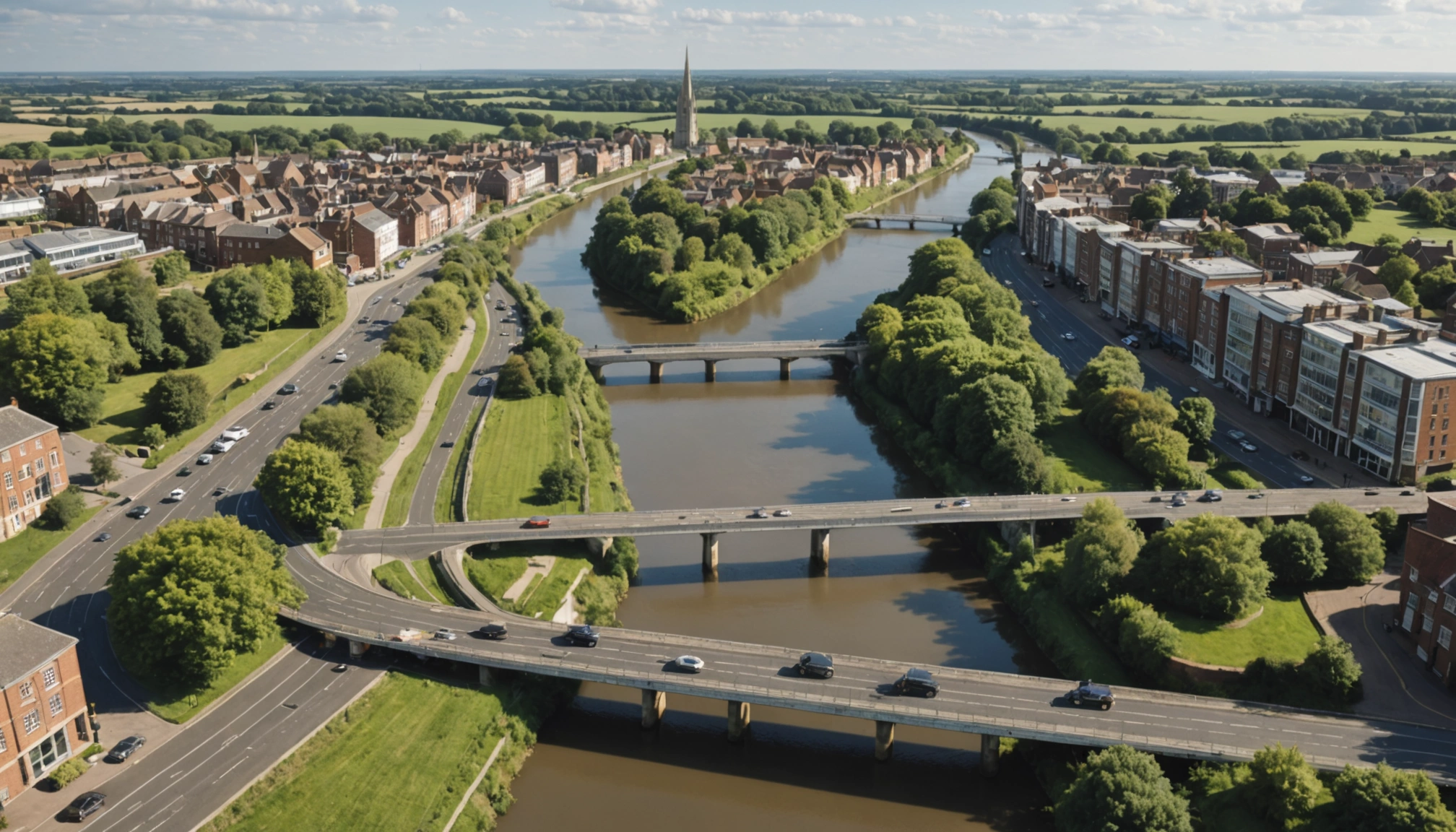
The ICE Awards 2026 provide an important opportunity to recognise the civil engineering projects improving communities across South East England. From resilient transport networks and flood protection schemes to lower carbon construction, the region is demonstrating how infrastructure can respond to environmental pressures while continuing to support economic growth.
Sustainability in civil engineering now extends far beyond reducing operational energy. Leading projects are considering whole life carbon, climate adaptation, biodiversity, material efficiency and social value from the earliest design stages. These principles are likely to shape how South East projects are assessed and celebrated through the Institution of Civil Engineers awards programme in 2026.
What Defines Sustainable Civil Engineering Excellence?
A strong sustainable civil engineering project balances environmental performance with safety, affordability, resilience and long term public benefit. This requires project teams to examine how infrastructure is designed, constructed, operated, maintained and eventually renewed. Decisions made during concept development can have a significant influence on carbon emissions, resource use and ecological outcomes throughout an asset’s life.
For the ICE Awards 2026, technical achievement alone is unlikely to tell the whole story. The most compelling South East projects will be those that demonstrate measurable improvements, clear collaboration and solutions that can be applied elsewhere. Evidence may include verified carbon savings, reduced waste, improved habitats, greater resilience to extreme weather and meaningful benefits for local communities.
Whole Life Carbon as a Design Priority
Whole life carbon assessment helps engineers understand emissions associated with materials, construction activities, maintenance and operation. Project teams can then compare options and identify where the greatest reductions are possible. This may lead to lower carbon concrete specifications, greater use of recycled aggregates, more efficient structural designs or the retention of existing assets.
Early intervention is particularly important because opportunities become more limited as a project progresses. When clients, designers, contractors and suppliers establish carbon targets at the outset, sustainability becomes a practical design requirement rather than an addition introduced late in delivery.
Resilience and Environmental Value
Sustainable infrastructure must remain safe and functional as the climate changes. Across the South East, this can mean preparing for heavier rainfall, flooding, coastal change, drought and higher temperatures. Resilient design may include additional drainage capacity, adaptable structures, natural flood management and maintenance strategies informed by future climate scenarios.
Environmental value is equally significant. Projects can protect and enhance nature by avoiding sensitive habitats, restoring waterways, improving soil conditions and creating connected green spaces. Successful schemes integrate these measures with engineering objectives instead of treating ecology as a separate compliance exercise.
Project Themes Shaping the South East in 2026
The South East contains dense urban areas, strategic transport corridors, major coastlines and communities exposed to increasing climate risks. This combination creates complex engineering challenges, but it also provides opportunities for projects to deliver benefits across several areas at once. A transport improvement, for example, can reduce congestion while improving active travel, drainage and local biodiversity.
Projects leading the way are likely to share several characteristics: clear sustainability targets, transparent measurement and close engagement with affected communities. They may vary greatly in scale, but their wider value will depend on how effectively technical decisions address local needs and long term environmental priorities.
Low Carbon Transport and Asset Renewal
Transport infrastructure remains a major focus for sustainable civil engineering in the region. Rather than relying solely on new construction, project teams are increasingly extending the life of bridges, roads, rail assets and stations. Refurbishment can avoid substantial embodied carbon while reducing cost, disruption and demand for new materials.
Where new infrastructure is necessary, efficient design and construction planning can limit its impact. Digital modelling, offsite manufacturing, material reuse and coordinated logistics can help teams reduce waste and site emissions. Better walking, cycling and public transport connections can also support lasting reductions in transport related carbon.
Water Management and Climate Adaptation
Flood risk and water scarcity present connected challenges for the South East. Sustainable drainage systems, wetland restoration, permeable surfaces and catchment based planning can slow runoff while improving water quality and creating habitat. These approaches can complement conventional drainage and flood defence assets.
The strongest water management projects are developed with local authorities, utilities, landowners, environmental specialists and communities. This collaborative approach helps engineering teams understand how water moves across an area and identify interventions that deliver multiple benefits. It also supports solutions that can be maintained effectively over the long term.
Nature Based Solutions and Biodiversity Enhancement
Nature based solutions are becoming an increasingly important part of civil engineering practice. River restoration, coastal habitat creation, woodland planting and sustainable drainage can reduce environmental risks while supporting biodiversity and improving public spaces. In many cases, these interventions work alongside traditional structures to provide a more adaptable and cost effective system.
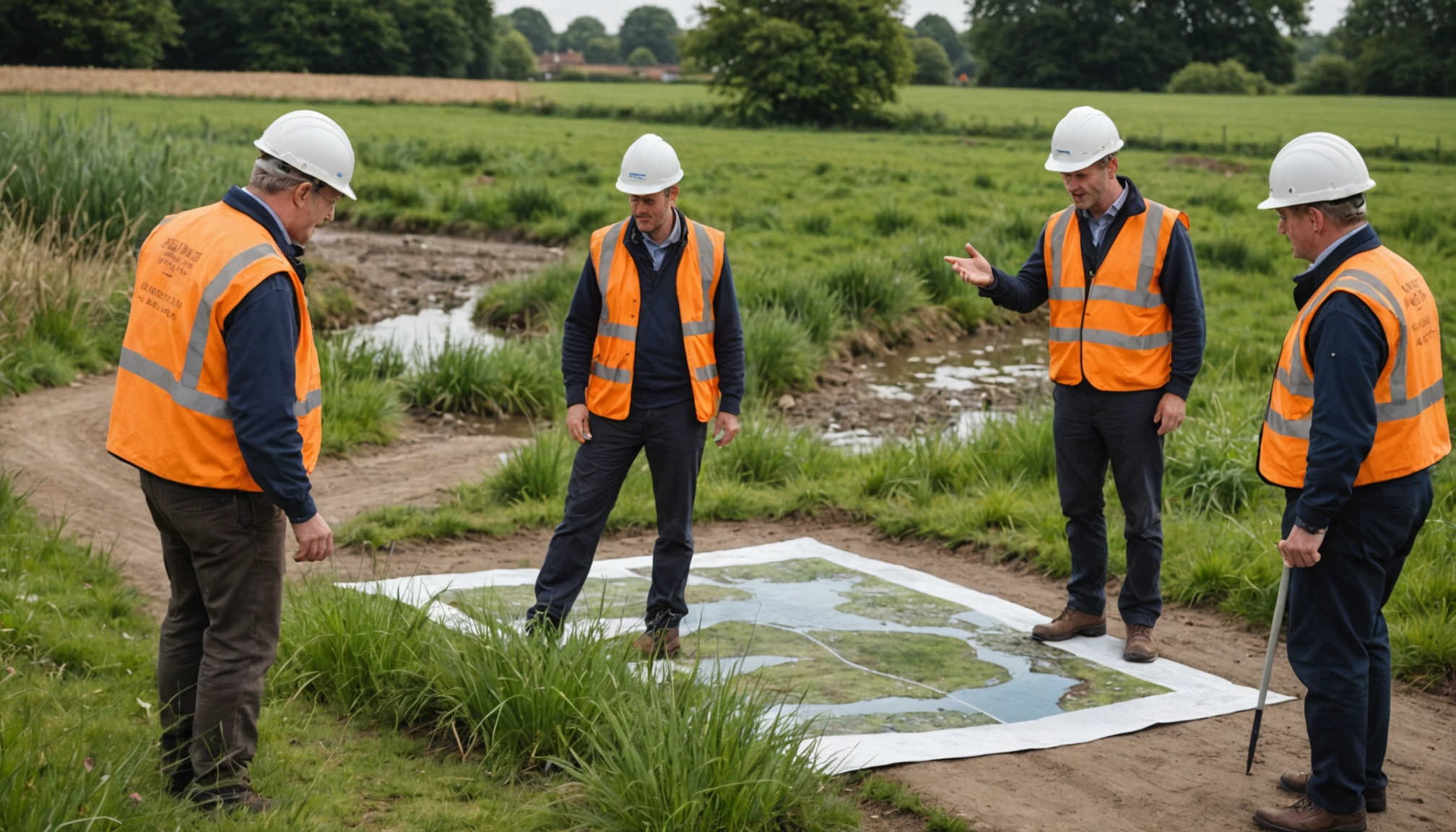
For example, reconnecting a river with its floodplain can create additional storage during heavy rainfall while restoring wetland habitat. Along the coast, saltmarsh creation can help absorb wave energy and provide space for habitats to respond to rising sea levels. Within urban developments, rain gardens, swales and planted basins can manage surface water while reducing heat and improving the appearance of streets.
Award worthy projects will need to show that ecological measures are technically robust and suitable for the local environment. Baseline surveys, measurable biodiversity objectives and long term management plans can demonstrate that benefits will endure beyond construction.
Resource Efficiency and the Circular Economy
The transition towards a circular economy is changing how civil engineers select, use and recover materials. Instead of treating excavated soil, demolition material and redundant components as waste, project teams can assess whether these resources can be retained, processed or reused. This reduces disposal requirements, transport movements and demand for virgin materials.
Material reuse is most effective when it is considered during design and procurement. Site investigations can establish the quality of existing materials, while digital material inventories can record where components are located and how they might be recovered. Specifications can also permit responsibly sourced secondary materials where they meet the required safety and performance standards.
Examples include reusing excavated material in landscaping or embankments, incorporating reclaimed aggregates into suitable applications and refurbishing structural components instead of replacing them. Modular design and reversible connections can also make future adaptation easier, extending asset life and reducing waste during later changes.
Community Benefit and Inclusive Infrastructure
Sustainable civil engineering is ultimately concerned with the people who use and live alongside infrastructure. Projects across the South East can create social value by improving accessibility, supporting employment, reducing disruption and addressing inequalities in access to transport, green space and essential services.
Meaningful engagement allows communities to influence project outcomes rather than simply receive information after key decisions have been made. Early consultation can identify local flooding concerns, unsafe routes, accessibility barriers and valued environmental features that may not be apparent from technical data alone. Feedback should then be connected to documented design changes wherever practical.
Designing for Accessibility and Public Wellbeing
Inclusive design should account for people with different physical, sensory and cognitive needs. Step free routes, safe crossings, clear wayfinding, appropriate gradients and well designed public spaces can make infrastructure easier to use. These measures often improve the experience for everyone, including older people, families with young children and travellers carrying luggage.
Projects can also support wellbeing by reducing noise, improving air quality and creating opportunities for walking, cycling and contact with nature. Monitoring these outcomes helps teams demonstrate that social value is more than a general aspiration. Useful evidence may include changes in journey accessibility, user satisfaction, active travel levels or access to public space.
Skills, Employment and Local Economic Value
Construction programmes can provide apprenticeships, training placements and opportunities for local suppliers. The greatest value is created when these commitments are aligned with identified community needs and lead to lasting skills or employment. Project teams should record participation, completion and progression rather than reporting only the number of opportunities offered.
Collaboration with schools, colleges and professional institutions can also introduce more people to civil engineering careers. Initiatives that reach underrepresented groups can help build a more diverse workforce and strengthen the region’s future engineering capability.
Innovation That Delivers Measurable Results
Innovation in an ICE Awards submission should solve a defined problem and produce a demonstrable benefit. New technology is valuable when it improves safety, reduces carbon, strengthens resilience or enables better decisions.
Digital Engineering and Data Led Decisions
Digital models can help teams test construction sequences, coordinate utilities and identify design conflicts before work begins. This can reduce rework, material use and disruption.
During operation, sensors and remote monitoring can provide information on structural behaviour, water levels, temperature or asset condition. Predictive maintenance based on reliable data may allow interventions to take place before defects become severe.
Strong projects will explain how data quality, ownership and long term accessibility have been managed. Digital tools should remain useful to the asset owner after project completion, rather than becoming isolated systems that cannot be maintained or updated.
Modern Construction Methods
Offsite fabrication and standardised components can improve quality, reduce waste and limit the amount of work undertaken in sensitive or congested locations. Shorter site programmes may also reduce road closures, noise and disturbance to communities.
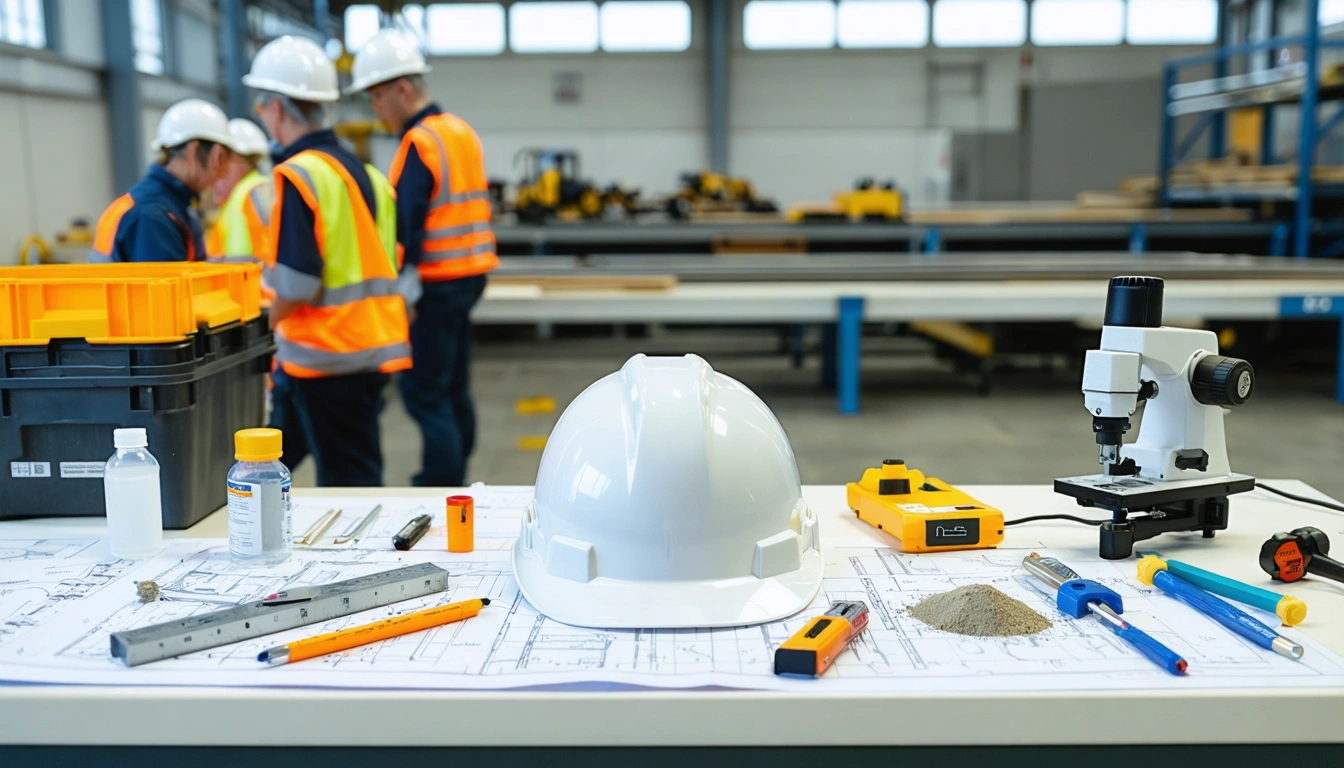
Project teams should assess the full impact of these methods, including transport requirements, factory energy use and future maintenance. A credible award submission will distinguish between claimed benefits and results supported by project data.
Collaboration, Procurement and Leadership
Sustainability outcomes depend on the commercial and organisational environment surrounding a project. Clients can encourage better decisions by including clear performance requirements in briefs, allocating responsibility and creating incentives for improvement.
Early contractor involvement can improve buildability and reveal opportunities for lower impact materials or construction methods. Engagement with asset operators is equally important because maintenance knowledge can influence design life, access arrangements and replacement strategies.
Managing Trade Offs Transparently
Large civil engineering projects frequently involve competing priorities. A material with lower initial carbon may require more frequent maintenance, while an ecological enhancement may need additional land or specialist management.
Assessment criteria should reflect the asset’s purpose, expected life and local context. Carbon, cost, resilience, safety, biodiversity and social outcomes can be considered together rather than through separate exercises.
Building a Strong ICE Awards 2026 Submission
A persuasive submission should connect the engineering challenge, the chosen solution and the outcomes achieved. Judges need to understand what made the project difficult, how the team responded and why the results represent an advance in sustainable civil engineering.
Establishing a Reliable Evidence Base
Project teams should define baselines and measurement methods early. Carbon savings, for example, are meaningful only when the reference design, assessment boundary and calculation method are clearly stated.
Useful evidence may include whole life carbon calculations, material quantities, waste records, monitoring data, ecological surveys, resilience assessments and community feedback. Independent verification can strengthen confidence where impacts are complex or significant.
Explaining the Engineering Story
The submission should present a clear narrative from initial need to completed outcome. Technical details are important, but they should demonstrate engineering judgement rather than overwhelm the central story.
Teams should highlight decisions that materially changed the outcome. This might include retaining an existing structure, redesigning foundations to use less concrete, altering the construction sequence to protect a habitat or using monitoring data to avoid unnecessary intervention.
Demonstrating Transferable Learning
Leading projects contribute knowledge that can be used beyond a single site. A submission can identify which methods, specifications or governance approaches could be repeated on other schemes.
Open discussion of challenges can make an entry more convincing. If an innovation required additional testing, stakeholder agreement or supply chain development, that experience may help other teams apply the solution more efficiently.
The Lasting Value of Recognition
The ICE Awards 2026 offer more than recognition for individual project teams. They can help establish practical benchmarks for lower carbon construction, climate resilience, environmental enhancement and inclusive design across South East England.
The strongest candidates will show that sustainability has influenced fundamental engineering decisions from concept through operation. By combining measurable performance with collaboration, technical rigour and community benefit, South East projects can demonstrate how civil engineering delivers lasting value while responding to climate and environmental challenges.