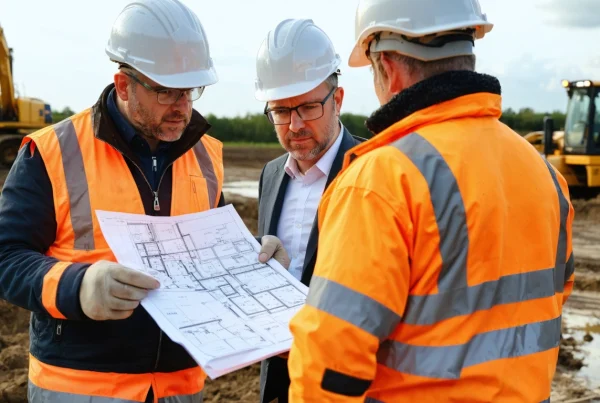
Before foundations are excavated or structural work begins, a construction site must be made safe, accessible, and ready for the main contract. This preliminary package is known as enabling works, and it often determines whether a project starts smoothly or encounters delays, unexpected costs, and safety problems.
Enabling works can include investigations, demolition, utility alterations, environmental controls, temporary infrastructure, and early earthworks. Although these activities may appear secondary to the finished asset, they create the physical conditions, verified information, and logistical support needed for successful construction.
Why Site Preparation Begins Long Before Main Construction
Enabling works bridge the gap between design development and full construction. They remove or control constraints that could prevent the principal works from progressing safely and efficiently.
The scope is shaped by surveys, planning conditions, engineering assessments, environmental requirements, and the intended sequence. A constrained urban development may require extensive utility diversions and traffic management, while a rural project may emphasize access roads, drainage, vegetation clearance, and ecological protection.
Reducing uncertainty before major resources arrive
Risk reduction is a primary function of enabling works. Ground investigations confirm soil conditions, trial pits locate buried utilities, and structural surveys establish how existing buildings should be demolished, supported, or retained.
Investigations cannot eliminate every unknown, but they make risks more measurable. If poor ground, hazardous materials, or undocumented services are discovered early, the team can revise designs, budgets, and methods without disrupting critical structural activities.
Creating a safe and workable construction environment
A site must support people, machinery, deliveries, storage, and emergency access before intensive construction begins. Hoarding, gates, welfare facilities, temporary power, lighting, haul roads, wheel washing, and security may therefore form part of the package.
These measures influence productivity as well as safety. Poor access planning can cause congestion, excessive material handling, damaged roads, and conflicts between pedestrians and plant.
Core Activities Commonly Included in Enabling Works
There is no universal checklist because every project has different constraints. Most packages combine investigations, protective measures, temporary infrastructure, and physical preparation. Boundaries must be clearly defined so responsibilities do not fall between the enabling and main contractors.
Activities may be procured through one early works package or several specialist contracts. The approach depends on programme pressures, risk allocation, site complexity, and design progress.
Surveys, investigations, and site verification
Typical activities include topographical surveys, utility mapping, boreholes, trial pits, contamination testing, drainage surveys, structural assessments, and hazardous material surveys.
These investigations establish whether existing records match actual conditions. Findings can affect foundations, excavation support, remediation, drainage, demolition methods, and temporary facility locations.
Demolition, clearance, and hazardous material removal
Existing structures, slabs, foundations, vegetation, equipment, and obstructions may need removal before permanent works start. Demolition is rarely a simple clearance exercise.
Where asbestos, contaminated materials, fuel residues, or other hazardous substances are present, licensed removal and controlled disposal may be required. Addressing them early reduces exposure and prevents specialist remediation from interrupting later work.
Utility disconnections, diversions, and temporary services
Electricity, gas, water, telecommunications, and drainage can create significant constraints. Enabling works may confirm locations, arrange disconnections, protect live apparatus, divert networks, or install temporary construction supplies.
Utility activities often have long lead times because operators, permits, outages, and third party approvals are involved. Coordination should begin early and align with demolition, excavation, logistics, and permanent works programmes.
Temporary access, logistics, and site establishment
Construction traffic must enter, move through, and leave without unacceptable risks or delays. Works can include temporary roads, stabilized platforms, delivery gates, turning areas, pedestrian routes, loading zones, crane pads, and storage areas.
The required standard depends on vehicle loads, ground conditions, weather, and duration. A road intended for light vehicles may deteriorate quickly under concrete deliveries or heavy plant.
Site establishment can also cover offices, welfare facilities, first aid areas, fencing, signage, lighting, fire points, communications, and security. Locations should reflect the changing sequence so facilities do not obstruct excavations, lifting operations, or future building footprints.
Early earthworks and ground improvement
Enabling contractors may undertake bulk excavation, cut and fill, grading, unsuitable material removal, piling mats, and formation preparation. These activities create stable surfaces for the main works.
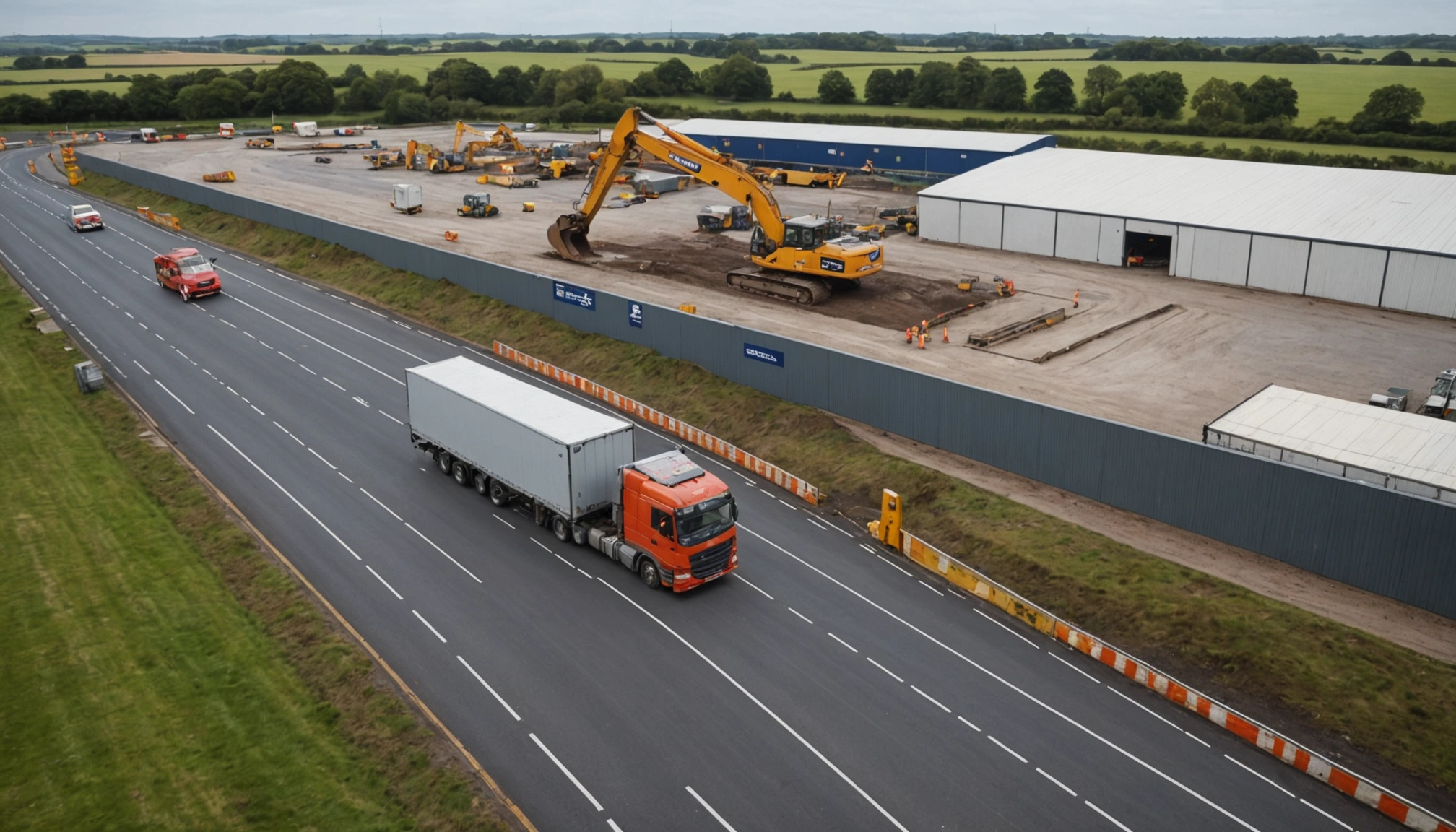
Weak or variable soils may require replacement, dynamic compaction, vibro treatment, stabilization, grouting, or vertical drains. Methods should reflect the ground conditions and required performance.
Earthworks require control of material classification, moisture, compaction, and testing. Excavated soil should not automatically be considered suitable fill and may require engineering and contamination testing before reuse.
Drainage, dewatering, and flood protection
Water management is essential from the start. Runoff, groundwater, leaking utilities, and severe weather can flood excavations, weaken roads, mobilize contaminants, and carry sediment beyond the boundary.
Temporary drainage may include ditches, channels, sumps, pumps, settlement tanks, ponds, and silt fences. Discharge quality and flow rates may need to comply with permits or asset owner agreements.
Excavations below groundwater level may require designed dewatering using wellpoints, deep wells, sump pumping, or groundwater cutoff systems, depending on soil permeability and depth.
Environmental and Community Protection Measures
Enabling works involve disruptive operations such as demolition, clearance, excavation, crushing, and vehicle movements. Environmental controls should be planned as construction activities rather than introduced after complaints or incidents.
Contaminated land and remediation
Former industrial, commercial, agricultural, and waste sites may contain hydrocarbons, metals, asbestos, solvents, gases, or other contaminants. Works can include sampling, excavation, treatment, capping, controlled reuse, disposal, and validation testing.
The remediation strategy should address risks to workers, future users, controlled waters, ecology, and neighboring land. It should also define how unexpected contamination will be managed.
Ground gas may require monitoring wells and repeated readings before protection measures are finalized. Completion records demonstrate that treatment was undertaken and provide evidence for regulators, designers, and owners.
Ecology, vegetation, and invasive species
Vegetation clearance can be restricted by nesting seasons, protected species, planning conditions, and licenses. Surveys may identify habitats, trees, watercourses, or species requiring exclusion zones, specialist supervision, relocation, or phased clearance.
Invasive plants and affected soil need controlled treatment because careless cutting or movement can spread them across the site or to disposal facilities.
Noise, vibration, dust, and air quality
Demolition and earthmoving can affect residents, businesses, transport systems, and sensitive equipment. Controls include acoustic barriers, low vibration methods, restricted hours, water suppression, covered vehicles, road cleaning, and monitoring.
Monitoring locations and action levels should be agreed before work starts. Baseline readings distinguish construction effects from existing conditions. Exceedances should trigger defined actions such as changing equipment, reducing operating periods, or adding screening.
Protection of neighboring structures and public areas
Projects near existing buildings may require condition surveys, crack monitoring, vibration sensors, and settlement points. These provide an objective initial record and allow movement to be identified early.
Public protection can involve covered walkways, barriers, traffic marshals, road closures, and temporary footpath diversions. Arrangements must consider pedestrians, cyclists, emergency services, and people with limited mobility.
Temporary Works Within the Enabling Package
Many enabling activities depend on temporary works that require the same design, inspection, and maintenance discipline as permanent construction. Examples include excavation support, propping, scaffolds, working platforms, haul roads, hoardings, and temporary bridges.
Design coordination and temporary works control
Temporary works can affect foundations, utilities, adjacent structures, and future access. Design assumptions should be coordinated with geotechnical information, plant loads, excavation sequences, and project requirements.
A formal process should identify design categories, checking requirements, responsible people, inspections, and permission to load or dismantle. Simple installations can fail when actual loads, ground, or methods differ from design assumptions.
Working platforms and heavy plant support
Piling rigs, crawler cranes, mobile cranes, and heavy excavators require verified ground bearing capacity. A working platform may include engineered granular layers, geosynthetic reinforcement, drainage, and edge controls.
Ongoing inspection is needed because water ingress, nearby excavation, rutting, or unapproved trenches can reduce capacity. Changes to plant or operating areas should trigger a review.

Planning the Sequence and Interfaces
The value of enabling works depends on what is completed, when it occurs, and in what order. A technically correct activity can still cause delay if it blocks access, exposes work to damage, or conflicts with the main contractor’s sequence.
Building a constraint led programme
The programme should identify approvals, surveys, utility outages, ecological windows, demolition stages, remediation, temporary works designs, and testing periods. Long lead items must link to the date when the main works need each area.
Demolition, for example, may depend on asbestos removal and utility isolation. Excavation may then depend on demolition clearance, groundwater control, and approval of the soil reuse strategy.
Managing live site interfaces
Some enabling works occur while buildings, roads, railways, utilities, or industrial operations remain active. Boundaries, access rules, and responsibilities must be especially clear.
Phasing may maintain access or service continuity. A utility diversion may require the new route to be installed, tested, commissioned, and accepted before the existing service is disconnected.
Protecting completed enabling works
Drainage, monitoring points, diverted services, remediation layers, and prepared formations can be damaged by later traffic or excavation. Protection requirements should appear on logistics plans and be communicated during handover.
Inspection and maintenance responsibility must transfer clearly. Otherwise, drainage can become blocked, fencing can deteriorate, and platforms can lose performance before use.
Defining Scope, Cost, and Contractual Responsibility
A detailed scope should state who is responsible for surveys, permits, design, temporary works, testing, disposal, maintenance, and handover. Vague instructions such as “clear the site” can conceal different assumptions about obstructions, contamination, retained structures, and utility status.
Allowances for uncertain conditions
Investigations cannot reveal every concealed condition. Contracts should define how unexpected utilities, obstructions, contamination, archaeology, or unsuitable ground will be assessed and valued.
Cost plans should include disposal, laboratory testing, permits, temporary service consumption, monitoring, maintenance, and reinstatement. These items can be substantial where hazardous waste, restricted hours, or third party approvals are involved.
Information required at tender stage
Tenderers should receive available surveys, utility records, ground data, environmental reports, planning conditions, demolition constraints, logistics requirements, and design assumptions. Known gaps should be identified rather than discovered after appointment.
Submissions should explain methodology, programme, exclusions, temporary works, waste assumptions, and required client decisions. Comparing assumptions is often more informative than comparing headline prices.
Verification, Records, and Handover
Enabling works are complete only when resulting conditions have been verified and communicated to the principal works team. Physical completion without reliable records leaves uncertainty about what was removed, retained, treated, or installed.
Inspection and testing
Verification may include compaction tests, formation inspections, contamination validation, drainage testing, utility commissioning, platform certification, surveys, and photographs. Hold points should identify work requiring approval before it is covered or subsequent activities begin.
Nonconforming work should be corrected and retested. Inadequately compacted fill can affect slabs, roads, and crane operations long after the enabling contractor leaves.
Handover information
The handover package should include updated surveys, as built drawings, utility locations, permits, test results, waste records, remediation reports, temporary works information, monitoring data, and residual hazards.
A joint inspection allows outgoing and incoming teams to confirm access, boundaries, protected areas, levels, service status, and defects. Documented acceptance provides a reliable starting point for the main contract.
What Successful Enabling Works Achieve
A successful enabling package leaves more than a cleared site. It provides verified ground conditions, controlled hazards, functioning access, coordinated services, environmental protection, and dependable information for subsequent construction.
When planned as a coordinated first phase, enabling works reduce uncertainty and protect the main programme. When rushed or treated as minor preliminaries, unresolved constraints reappear during excavation, foundations, or structural work, when delays and design changes are far more expensive.