Have you ever paused to consider what lies beneath the buildings and roads we navigate daily? While skyscrapers and highways often capture our attention, the intricate groundwork that supports these structures remains largely hidden from view. Groundworks form the backbone of any construction project, ensuring stability and longevity, yet they rarely get the spotlight. Understanding this essential process not only satisfies curiosity but also highlights the immense skill and precision involved in creating the foundations of our built habitat.
Weather you’re a homeowner curious about the foundation of your house or someone simply intrigued by the construction world, groundworks are more relevant to our everyday lives than one might think. From drainage systems to laying the first concrete blocks, these foundations are critical in shaping the safety and efficiency of our living spaces. By delving into the art of groundworks, we can appreciate the unseen efforts that keep our cities standing tall and our homes secure.
Understanding Groundworks Essentials
At the heart of any accomplished construction project is a thorough understanding of the site itself. Before any physical work begins, a detailed site investigation is conducted to assess the ground conditions. This involves analyzing soil composition, water table levelsand any potential obstacles hidden beneath the surface. The results of this investigation guide the design and execution of the groundworks,ensuring that the foundations are tailored to the specific needs of the site. A well-executed site investigation can prevent costly mistakes and delays,making it a crucial first step in the groundworks process.
Once the site has been assessed, the next phase involves clearing and preparing the land. This step is not merely about removing debris or vegetation; it’s about creating a stable platform for future construction. Earthmoving equipment such as bulldozers and excavators are used to level the ground, while compactors ensure the soil is firm enough to support the structure above. This process requires careful planning and precision, as uneven or poorly compacted ground can lead to structural issues down the line.A practical tip for those overseeing smaller projects: renting the appropriate equipment can often be more cost-effective than purchasing, especially for one-time use.
With the site prepared, the focus shifts to drainage systems. Effective drainage is vital for preventing water accumulation, which can undermine the structural integrity of foundations. This involves installing pipes and channels to direct water away from the site, a task that requires both strategic planning and a keen understanding of the landscape. Inadequate drainage can result in water damage and increased maintenance costs, so it is essential to get this right from the start. For homeowners, simple measures like ensuring gutters and downspouts are clear can make a notable difference in managing surface water.
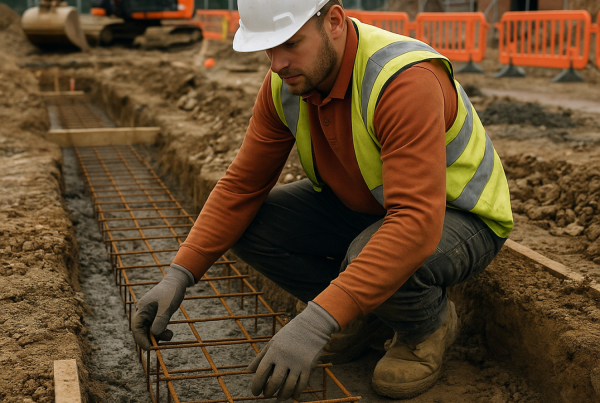
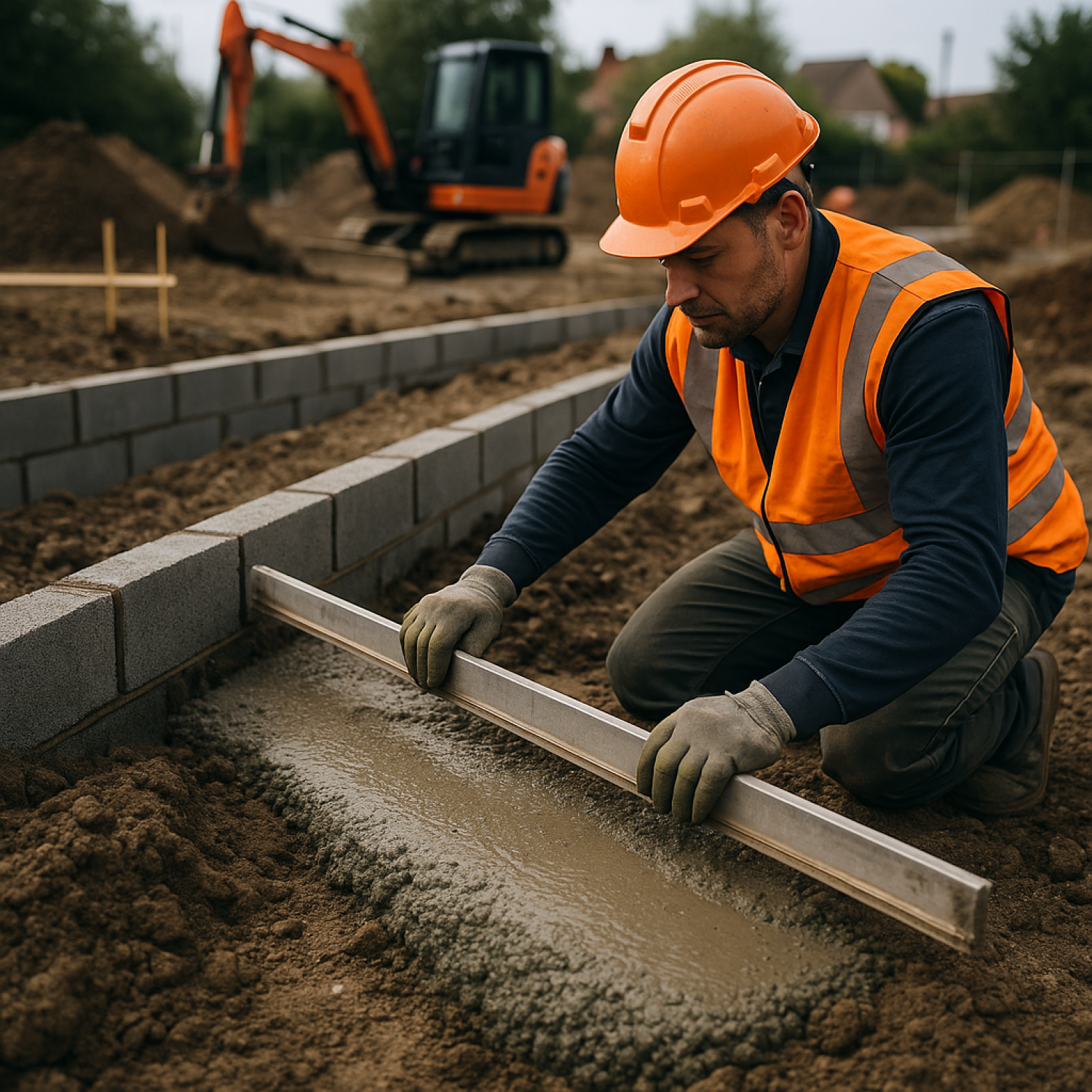
following drainage, attention turns to the actual laying of foundations. This phase is the literal backbone of any structure, providing the necessary support to withstand both the weight of the building and external forces such as wind and seismic activity. Various types of foundations are employed depending on the building’s size and the ground conditions, from shallow footings for smaller structures to deep piles required for larger buildings. Here, precision in measurement and execution is key, as even minor errors can have significant repercussions.
Groundworks often include the installation of utilities, which are essential for the functioning of any modern building. This involves laying pipes and cables for water, electricity, gasand telecommunications. The complexity of this task cannot be understated, as it requires careful coordination to ensure that all systems are seamlessly integrated and accessible for future maintenance. A practical detail for project managers is to maintain detailed maps of utility placements, which can save time and prevent damage during future renovations or repairs.
Beyond the technical aspects, groundworks are also about ensuring safety and compliance with regulations. Construction sites must adhere to stringent safety standards to protect workers and the public. This includes measures such as secure fencing, clear signageand proper equipment handling. Additionally,groundworks must comply with local building codes and environmental regulations,which dictate everything from the depth of foundations to the materials used. Staying informed about these requirements is crucial for avoiding legal complications and ensuring the project’s success.
As the groundwork progresses, constant monitoring and quality control are essential. This involves regular inspections to ensure that all aspects of the groundwork meet the required standards and specifications. Engineers and site managers play a crucial role here, using their expertise to identify and address any issues before they escalate. For those involved in smaller projects, enlisting a professional for periodic inspections can provide peace of mind and ensure that the groundwork is on the right track.
groundworks are a collaborative effort, bringing together a diverse range of skills and expertise. Engineers, architects, plannersand construction workers must all work in harmony to achieve the desired outcome. This teamwork is a testament to the art and science of groundworks, revealing the intricate balance required to lay the foundations for our built environment. By understanding and appreciating the complexities involved, we gain a deeper appreciation for the structures that shape our world.
Preparing for a Successful Project
A successful project begins with meticulous planning, where every detail is considered long before the first shovel hits the ground. This planning phase is crucial, as it sets the stage for all subsequent activities. By investing time in thorough planning, project managers can anticipate potential challenges and devise strategies to mitigate them. This foresight is especially important in groundworks, where hidden surprises beneath the surface can quickly derail timelines and budgets. A well-prepared project not only runs more smoothly but also builds a solid foundation for future success.
Communication is another cornerstone of project preparation, ensuring that all stakeholders are aligned with the project’s goals and timelines. Regular meetings and updates foster a collaborative environment where ideas are exchanged freely and concerns are addressed promptly. This open line of communication helps to prevent misunderstandings and keeps the team focused on the common objective. Such as, a simple weekly briefing can make a significant difference in maintaining momentum and ensuring that everyone is on the same page.
Budgeting is a critical aspect of preparation, requiring a careful balance between cost efficiency and quality.Allocating resources wisely ensures that the project can progress without unnecessary delays or compromises. This involves not only estimating the costs of materials and labor but also setting aside contingencies for unexpected expenses. A practical tip for managing the budget effectively is to regularly review financial reports, allowing for adjustments to be made as needed to keep the project on track.
Securing the right permits and approvals is another essential step in the preparation phase.Navigating the frequently enough complex regulatory landscape can be challenging, but it is indeed vital for ensuring compliance and avoiding legal issues. This process involves understanding local zoning laws, building codesand environmental regulations, which can vary substantially from one location to another. By staying informed and proactive,project managers can ensure that all necessary documentation is in place,paving the way for smooth execution.
Risk management is an integral part of . Identifying potential risks early on allows for the development of contingency plans that can be quickly implemented if needed.This proactive approach not only minimises disruptions but also builds resilience into the project. For instance, having backup suppliers in place can prevent delays if a primary supplier fails to deliver on time. By anticipating and planning for these scenarios, the project can continue progressing even in the face of unexpected challenges.
Technology plays a significant role in modern project preparation, offering tools that enhance efficiency and accuracy. From 3D modeling software that provides detailed visualizations to project management platforms that streamline communication, technology offers numerous advantages. It allows for better resource allocation, real-time progress tracking and improved collaboration among team members. Embracing these technological advancements can lead to more informed decision-making and ultimately contribute to the project’s success.
Training and development are often overlooked elements of project preparation, yet they are essential for ensuring that the team is equipped with the necessary skills and knowledge. Investing in training programs not only enhances individual capabilities but also boosts overall team performance. Whether it’s a workshop on the latest construction techniques or a safety training session,these initiatives foster a culture of continuous betterment and readiness,which is invaluable in maintaining high standards throughout the project.
Ultimately, the preparation phase is about laying the groundwork for success, much like the groundworks in construction. It requires a complete approach that considers all facets of the project, from planning and communication to budgeting and risk management. By focusing on these critical elements and leveraging available resources, project managers can create a robust foundation that supports the entire project’s lifecycle. This dedication to preparation not only ensures a smoother execution but also enhances the project’s chances of achieving it’s intended outcomes.
Navigating Common Groundwork Challenges
As with any complex process, groundworks present a myriad of challenges that can test even the most experienced professionals. One of the initial hurdles is frequently enough the unpredictability of ground conditions. Despite thorough site investigations, unforeseen soil compositions or hidden debris can emerge, requiring adjustments to the planned strategy. For instance, encountering unexpected rock formations may necessitate additional excavation, altering both the timeline and budget. Adaptability and adaptability are crucial traits for teams as they navigate these surprises without compromising the project’s integrity.
weather is another factor that can significantly impact groundwork activities. Rain, in particular, poses a threat by potentially flooding excavation sites and hindering progress. This requires project managers to have contingency plans and to schedule tasks strategically, taking into account seasonal weather patterns. A practical tip for dealing with weather disruptions is to utilize weather forecasting tools to anticipate and prepare for adverse conditions, allowing teams to adjust their schedules accordingly and minimise downtime.
Managing the logistics of equipment and materials is a challenge that demands careful coordination. ensuring that the right machinery is available when needed and that materials are delivered on time requires meticulous planning. Any delays in this area can lead to a cascade of schedule disruptions, affecting subsequent stages of the project. To mitigate this, establishing strong relationships with suppliers and having backup options can be invaluable. For example, renting equipment from a reliable vendor with flexible terms can provide a buffer against unexpected delays.
Compliance with environmental regulations is a critical aspect of groundworks that cannot be overlooked. construction activities must be conducted in a manner that minimizes environmental impact, which can include managing dust, noise and waste effectively. Adhering to these regulations not only prevents legal issues but also promotes sustainability.One practical measure is to implement a waste management plan that includes recycling and proper disposal of materials, reducing the project’s environmental footprint.
Safety is a paramount concern, with construction sites often posing numerous hazards. Ensuring the safety of workers and the public requires stringent adherence to safety protocols and regular training.This includes providing personal protective equipment and conducting safety drills to prepare for potential emergencies. A strong safety culture not only protects individuals but also enhances productivity by reducing the likelihood of accidents that can cause work stoppages.
Communication is vital in overcoming the challenges of groundworks. With multiple teams and stakeholders involved, maintaining clear and open lines of communication ensures that everyone is informed of progress and any emerging issues. Regular meetings and updates foster a collaborative environment,allowing for fast resolution of problems. A practical approach is to use project management software that facilitates real-time communication and document sharing, keeping all parties aligned and informed.
Cost management is another persistent challenge, as unforeseen circumstances can lead to budget overruns. Effective budgeting involves not only planning for known expenses but also setting aside contingencies for unexpected costs. Regular financial reviews help keep the project on track, allowing for adjustments as needed. A useful tip is to create a detailed cost breakdown and regularly compare it against actual expenditures, enabling proactive management of the project’s finances.
Ultimately, successful navigation of groundwork challenges relies on a combination of preparation, flexibilityand effective management. By anticipating potential issues and devising strategies to address them, project teams can maintain momentum and achieve their objectives.This proactive approach not only minimises disruptions but also lays a strong foundation for the success of the entire construction project. Through diligent planning and execution, the complexities of groundworks can be managed effectively, ensuring that the structures we rely on are built to stand the test of time.
Practical Tools and Techniques
To effectively tackle the challenges encountered during groundworks, having the right tools and techniques at your disposal is paramount. One of the most critical tools in this process is the excavator, which is essential for digging and moving large amounts of earth efficiently.Excavators come in various sizes, from compact models suitable for residential projects to larger machines needed for extensive commercial sites. Choosing the appropriate excavator can make a significant difference in the efficiency and speed of the work, underscoring the importance of selecting the right equipment for each specific task.
Ground penetrating radar (GPR) is another invaluable tool in the groundwork toolkit. By using electromagnetic waves, GPR provides a glimpse beneath the surface, identifying potential obstacles such as buried utilities or irregular soil conditions. This technology allows for precise planning and reduces the risk of unexpected surprises that can disrupt timelines and budgets. For smaller projects, hiring a professional service that offers GPR scanning can be a cost-effective way to gain detailed insights without investing in expensive equipment.
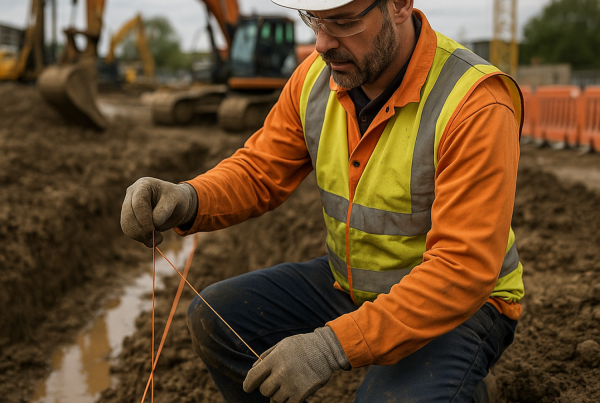
When it comes to ensuring proper drainage, laser levels are an indispensable tool for achieving accurate gradients and slopes. Proper drainage relies on precise angles to direct water flow away from structures, preventing issues such as foundation erosion or waterlogging. Laser levels provide the accuracy needed to set these gradients correctly, helping avoid costly mistakes. A practical tip for those new to using laser levels is to practice setting up and calibrating the device in a controlled environment before applying it to a live project.
Another key technique in groundworks is the use of geotextiles, which are synthetic fabrics that provide stability and support in various applications. Geotextiles can be used to reinforce soil, improve drainageor prevent erosion, making them a versatile solution in many groundwork scenarios. They are particularly useful in areas with loose or sandy soil, where they can enhance load-bearing capacity and prolong the lifespan of the foundation. For DIY enthusiasts, purchasing geotextiles from a local supplier and following installation guidelines can be a straightforward way to bolster a small project.
Vibrating plate compactors are essential for achieving the necessary soil density and compaction required for stable foundations. These machines use rapid vibrations to consolidate soil layers, ensuring that they can support the weight and stresses of the structure above. Proper compaction is crucial to prevent future settlement issues, which can lead to structural damage. For smaller projects,renting a vibrating plate compactor can be more economical and practical than purchasing one outright,especially if it will only be used occasionally.
Safety equipment, including hard hats, high-visibility vests and steel-toed boots, is crucial for protecting workers during groundwork operations. The nature of the work presents numerous hazards, from heavy machinery to uneven terrain, making personal protective equipment (PPE) a non-negotiable aspect of any project. Implementing mandatory safety protocols and regular safety training can significantly reduce the risk of accidents. A practical tip for maintaining safety on smaller sites is to create a simple checklist of safety gear and procedures to be reviewed daily before work begins.
Understanding the local geological context is another technique that can greatly enhance the effectiveness of groundwork operations. By researching historical data and consulting with local geologists or engineers, project managers can gain insights into the area’s soil and rock formations. This knowledge can help in tailoring the groundwork approach to suit specific conditions, reducing the likelihood of complications. Local libraries or municipal offices frequently enough have geological surveys and reports that can provide valuable information at little to no cost.
effective project management software can streamline the entire groundwork process by enhancing communication, tracking progressand managing resources. These digital tools allow for real-time updates and collaboration among team members, ensuring that everyone stays informed and aligned with the project goals. For those managing smaller projects, many project management platforms offer free or low-cost versions that can provide the necessary functionality without the need for a significant investment. Ultimately,leveraging the right tools and techniques not only improves efficiency but also contributes to the overall success and safety of the groundwork operations.
Safety First in Groundworks
Ensuring safety in groundworks is paramount, as the very nature of the work involves numerous potential hazards. From operating heavy machinery to working in trenches, the risks are inherentand thus, meticulous safety protocols must be established and adhered to. An integral part of this is conducting regular safety training sessions for all workers involved in the project. these sessions should cover the proper use of equipment, the identification of potential hazardsand the protocol for emergency situations. By fostering a culture of safety, teams can mitigate risks and create a secure working environment.
One of the most critical aspects of safety in groundworks is the proper management of trenches and excavations. These areas pose a significant risk of collapse, which can lead to serious injury or even fatalities. To prevent this,it is essential to shore up or bench trenches according to the type of soil and depth of the excavation. Additionally, having a designated competent person on site who can assess trench safety and make necessary adjustments is crucial. A practical tip for smaller projects is to use trench boxes as a cost-effective method to ensure stability and protect workers.
Personal Protective Equipment (PPE) is another cornerstone of safety in groundworks. Workers should be equipped with hard hats, high-visibility vests, steel-toed bootsand gloves to protect them from common job site hazards. Implementing a mandatory PPE policy not only safeguards workers but also promotes a professional and disciplined work culture. For those managing smaller sites, creating a checklist of required PPE and conducting daily inspections can help maintain compliance and safety standards.
Communication plays a vital role in maintaining safety on groundwork sites. Clear and consistent communication channels ensure that all team members are aware of ongoing activities and potential hazards. Regular safety briefings and updates help keep everyone informed and aligned with safety protocols. Utilizing project management software that includes messaging and alert functions can enhance communication efficiency, ensuring that critical safety information is disseminated promptly.
Environmental considerations are also a critical component of safety in groundworks. Projects must comply with environmental regulations to prevent damage to the surrounding ecosystem and ensure worker safety. This includes managing dust emissions, controlling noise levels and ensuring proper waste disposal. Implementing an environmental management plan can definately help address these issues, fostering a sustainable approach to construction. As a notable example, using water sprays to suppress dust during dry weather can significantly reduce respiratory hazards and environmental impact.
Regular inspections and maintenance of equipment are essential for ensuring safety on groundwork sites. Faulty or poorly maintained machinery poses a significant risk to workers and can lead to accidents and delays. Establishing a routine maintenance schedule and conducting pre-operation checks can prevent equipment failures and enhance site safety. for small-scale projects, renting recently serviced equipment from reputable suppliers can be a practical solution to ensure reliability and safety.
Another vital aspect of groundwork safety is emergency preparedness. Having a clear emergency response plan in place and ensuring that all workers are familiar with it can save lives in critical situations. This includes designating emergency evacuation routes, establishing communication protocolsand ensuring that first aid kits are readily available on site. Conducting regular emergency drills can also help prepare workers to respond calmly and effectively in the event of an incident.
Ultimately, the key to safety in groundworks lies in proactive planning and continuous vigilance. By prioritising safety at every stage of the project, from initial planning to final execution, teams can create a secure and efficient work environment. This commitment to safety not only protects workers and the public but also enhances the overall success and sustainability of the project. Through diligent attention to safety measures,the hidden yet essential work of groundworks can proceed smoothly and securely,supporting the structures that define our built environment.
Tips for Efficient Groundwork Management
Efficient groundwork management begins with a meticulous approach to project planning and execution. Understanding the specific requirements of each site is crucial, as it allows for tailored strategies that address unique ground conditions. As an example, a residential plot with a high water table may require different drainage solutions compared to a commercial site with rocky terrain. By assessing these nuances early in the planning phase, project managers can devise appropriate solutions that prevent future complications.
Communication stands as a pillar of successful groundwork management. keeping all stakeholders informed and engaged ensures that everyone is aligned with the project’s goals and timelines. Regular updates and meetings help in identifying potential issues early, allowing for timely interventions. A practical tip is to establish a shared digital platform where all project-related documents, schedules and communications can be centralised, fostering clarity and collaboration across the team.
Budgeting is another critical component, demanding a balance between cost efficiency and quality. Allocating funds wisely is not just about cutting costs; it’s about ensuring value for money while maintaining high standards. This involves detailed cost estimations and setting aside contingencies for unforeseen expenses. Regular financial reviews are essential to track spending against budget projections, enabling adjustments that keep the project financially viable.
Effective groundwork management also hinges on compliance with regulations and safety standards. This includes obtaining necessary permits and adhering to local building codes and environmental guidelines. By ensuring compliance from the outset, project managers can avoid costly legal issues and contribute to the overall safety and sustainability of the construction process. Engaging with local authorities and experts early in the project can streamline the approval process and prevent delays.
Technology integration plays a significant role in enhancing efficiency in groundworks. Utilizing advanced tools such as project management software and ground-penetrating radar can streamline operations and improve accuracy. These technologies allow for real-time monitoring and adjustments, reducing the likelihood of errors and rework. For smaller projects, exploring affordable or open-source software options can provide the necessary functionality without large investments.
Training and development are vital for equipping the team with the skills needed to manage groundworks effectively. regular training sessions on new techniques and safety protocols not only enhance team performance but also foster a culture of continuous improvement. Investing in skill development ensures that the workforce is capable of adapting to new challenges and technologies,ultimately contributing to the project’s success.
Proactive risk management is key to mitigating potential disruptions. By identifying risks early and developing contingency plans, project teams can maintain momentum even when unexpected challenges arise.For example, having backup suppliers or choice equipment rental options can prevent delays when primary resources are unavailable. This foresight builds resilience into the project, ensuring continuity and stability.
Ultimately, efficient groundwork management is about creating a robust foundation that supports the project’s lifecycle. By focusing on planning, communication, budgeting, compliance, technology, training, and risk management, project managers can lay the groundwork for success. This comprehensive approach not only enhances the efficiency of the groundwork process but also ensures the safety and longevity of the structures that define our built environment.
In understanding the art of groundworks, it becomes clear that the meticulous preparation beneath our feet is what ensures the stability and integrity of everything built above. It’s a craft that combines technical expertise with a deep respect for the environment,demanding precision and foresight. This foundation work, frequently enough unseen, is crucial in shaping the landscapes and structures that define our communities.
As you consider your next building project, take a moment to appreciate the groundwork that literally supports it all. Engaging with skilled professionals who understand the nuances of groundworks can make a significant difference in the longevity and safety of your construction. Start by having a detailed consultation with a groundwork specialist to ensure your project begins on solid ground.