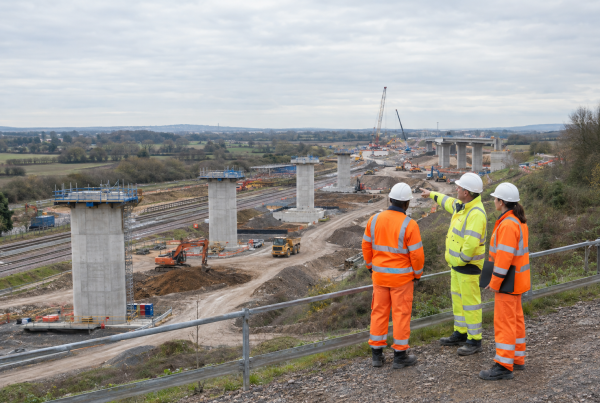
England’s proposed reservoirs are attracting plenty of headlines, but a water company announcing a scheme is not the same as excavators starting the main earthworks. Between those two points sit years of investigation, consultation, design, land negotiations and statutory approvals. For contractors and developers, the useful question is not simply whether a reservoir is planned, but which construction activities are genuinely approaching procurement.
The distinction matters particularly in Lincolnshire and the East Midlands, where water availability, agricultural land, drainage and infrastructure capacity are closely connected. Several major schemes could generate substantial civil engineering workloads, but they are not all at the same stage, and their headline programmes need careful reading.
England’s reservoir pipeline is not one construction programme
New reservoir proposals form part of a wider response to pressure on England’s water supplies. Population growth, climate change and the need to reduce environmentally damaging abstraction are driving investment decisions. Reservoirs sit alongside leakage reduction, demand management, water transfers and water recycling, rather than replacing those measures.
However, grouping every scheme together gives a misleading impression of readiness. Some projects remain in planning and development, while others have progressed into construction. Published opening dates also describe when water supply is expected to become available, not necessarily when enabling works or the main civil engineering package will begin.
Lincolnshire and the Fens: significant prospects, not automatic starts
The proposed Lincolnshire Reservoir and Fens Reservoir are particularly relevant to contractors across the East Midlands and eastern England. Anglian Water is developing the Lincolnshire proposal, while the Fens scheme involves Anglian Water and Cambridge Water. Both represent potential infrastructure programmes extending well beyond the reservoir footprint.
Associated works could include raw-water pipelines, pumping stations, treatment facilities, access improvements and changes to existing drainage arrangements. The eventual scope depends on design development and approvals. Local firms should therefore distinguish between opportunities for surveys and investigations, early enabling packages and the much larger contracts needed to build the permanent assets.
Other schemes show why project stages matter
The South East Strategic Reservoir Option, commonly known as SESRO, is the proposed reservoir near Abingdon in Oxfordshire. Its scale makes it an important scheme to watch, but strategic backing and consultation should not be confused with permission to begin main construction.
Havant Thicket Reservoir in Hampshire provides a different comparison because it has already progressed into construction. It demonstrates that reservoir delivery is not purely a future prospect, but its progress should not be used as evidence that other proposed reservoirs are equally advanced. Each scheme has its own planning position, funding arrangements, environmental constraints and procurement programme.
What must happen before major earthworks can begin?
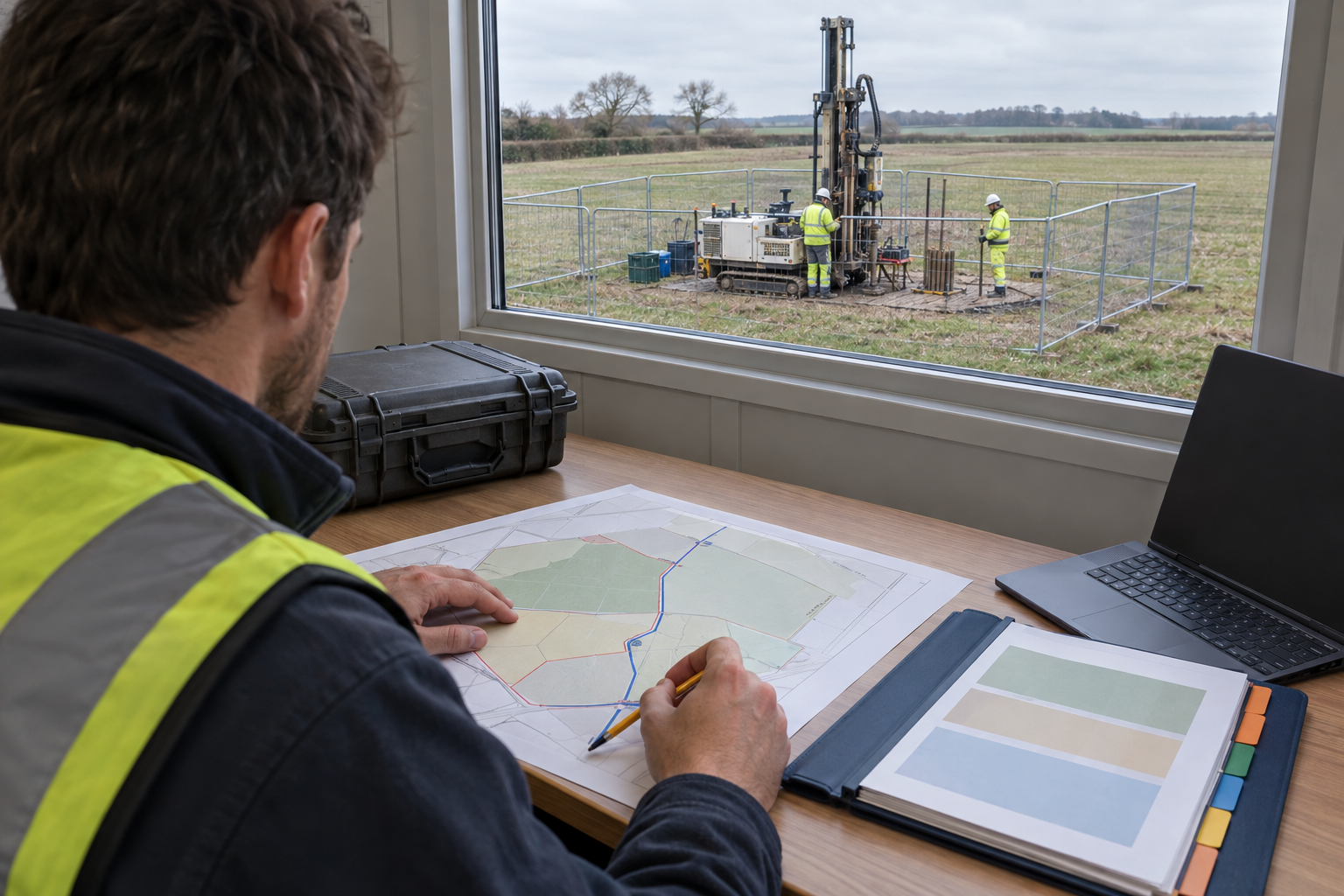
I would treat any forecast construction date as a milestone to test, rather than a promise. A scheme can feature in a water resources management plan without having all the permissions, land rights or contractual arrangements required for delivery. Equally, investigation rigs on site may indicate design work rather than the start of reservoir construction.
For contractors assessing the pipeline, the strongest signals are specific and documented: a progressing consent application, defined procurement packages, funding arrangements and a credible route to site possession. No single announcement settles all four.
Planning approval is only part of the permission picture
Large reservoir schemes may follow the nationally significant infrastructure project route, requiring a Development Consent Order. The applicable route depends on the project and statutory framework. Consultation, environmental assessment and examination can all influence the design, mitigation measures and delivery programme.
Consent is not necessarily an unrestricted notice to proceed. Pre-commencement requirements may still need to be discharged, and additional approvals may be necessary for particular activities. Abstraction licensing, flood risk activity permissions and works affecting ordinary watercourses need to be considered where applicable.
Ground conditions and water management shape construction readiness
A reservoir programme depends heavily on understanding the ground. Investigations must establish whether materials are suitable for embankments, how foundations will behave and how seepage will be controlled. Those findings influence excavation quantities, material processing, haul routes and the balance between imported and site-won material.
In low-lying parts of Lincolnshire and the Fens, existing drainage networks add another important interface. Temporary works and permanent infrastructure must account for drainage channels, pumping arrangements and relevant internal drainage board requirements. Resolving these matters early helps turn an ambitious outline programme into buildable work packages, with realistic allowances for weather, seasonal restrictions and construction access.
Which construction packages are likely to come first?
For the supply chain, the first meaningful opportunities may look more like conventional infrastructure works than reservoir building. Access roads, site compounds, utility diversions and drainage alterations can all be needed before large-scale excavation starts. However, their timing depends on the permissions and land access available for each package.
That distinction is worth keeping in mind when a project announces an early works contractor. The appointment may cover design development, construction planning or a limited scope of enabling works. It does not necessarily mean that the main embankment contract has been awarded or that unrestricted construction can begin.
Investigations and enabling works have different requirements
Ground investigation packages can require temporary access tracks, working platforms, borehole support and reinstatement. These activities usually have a much smaller footprint than the permanent works, but still demand careful management of agricultural land, drainage and access. Poorly planned investigation access can damage field drains or leave compaction problems that are expensive to put right.
Later enabling packages might include junction improvements, temporary bridges, ecological mitigation and utility protection. Some habitat measures may need to be established before work affects the existing habitat. That makes environmental sequencing a construction issue, not simply a matter for the planning team.
Pipelines and off-site infrastructure deserve equal attention
The reservoir basin will attract the photographs, but associated infrastructure can create substantial workloads in its own right. Depending on the scheme, river intakes, transfer pipelines, pumping stations and treatment works may involve separate procurement routes and construction programmes.
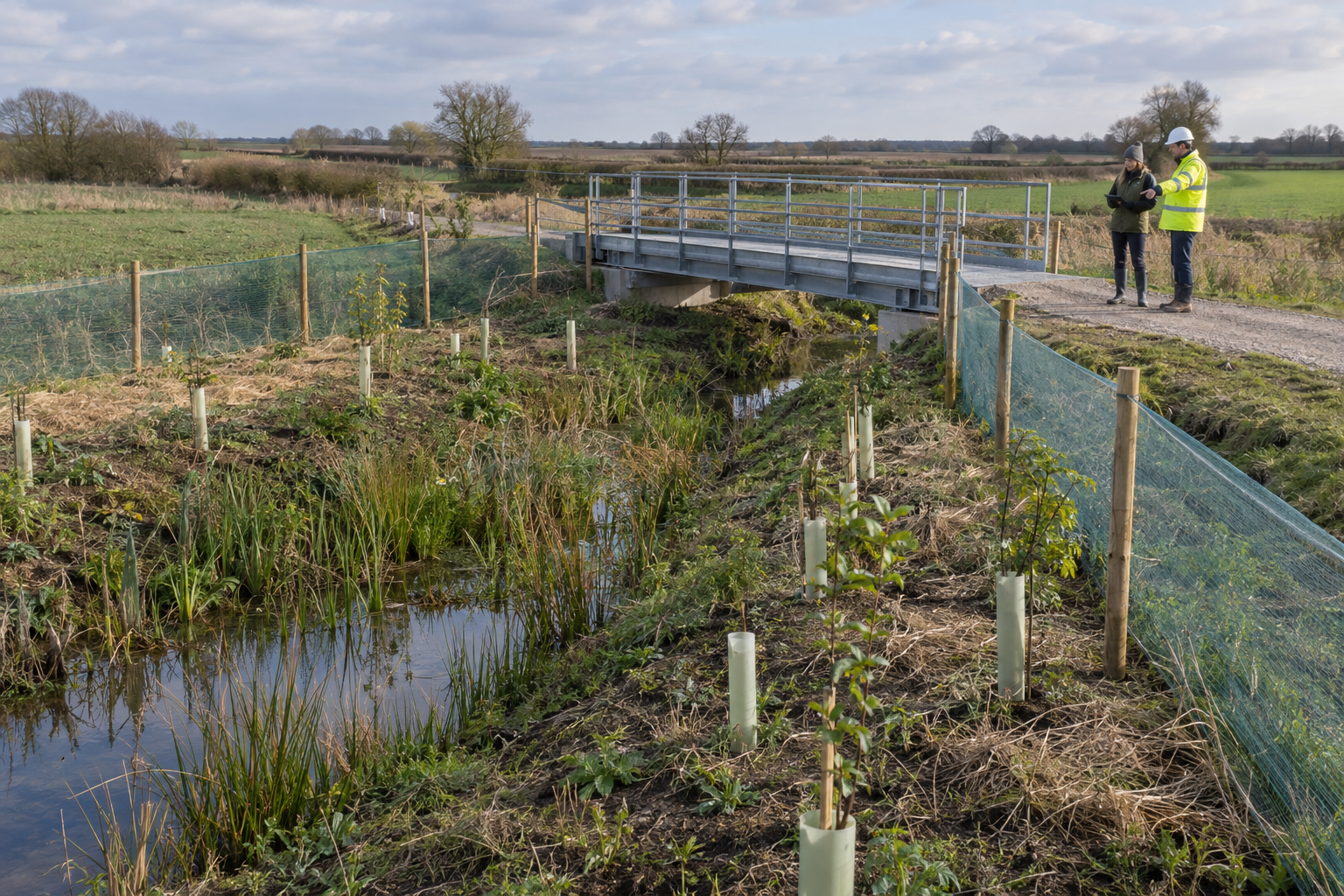
A pipeline crossing a strategic road, railway or major watercourse, for example, can require specialist trenchless construction, settlement monitoring and tightly controlled working arrangements. Elsewhere, open-cut pipeline work may depend on agricultural access agreements, topsoil handling and field drainage reinstatement. These are different delivery challenges from bulk earthworks, even when they belong to the same water supply scheme.
Why reservoir earthworks cannot simply be accelerated with more plant
Once the main works begin, production depends on more than excavator capacity. Embankment construction requires materials to meet defined engineering specifications, with controlled placement, moisture conditioning, compaction and testing. The precise requirements depend on the design and the materials available.
Adding machines does not solve unsuitable moisture content, limited placement areas or a testing bottleneck. In practice, the rate of excavation must be balanced against the rate at which acceptable material can be processed, transported and incorporated into the permanent works.
Seasonal working affects the realistic programme
Wet weather can restrict trafficking and make some soils unsuitable for immediate placement. Dry conditions can also create difficulties, including dust and the need to condition material before compaction. A credible programme therefore needs suitable working windows, stockpile space and contingency, rather than assuming uniform output throughout the year.
Consider a package where excavated clay is intended for an embankment. If it cannot be placed directly, the contractor may need to stockpile it, manage its moisture content and handle it again. That changes haulage demand, plant utilisation and cost. The earthworks strategy needs to allow for those possibilities before production targets become contractual commitments.
Reservoir safety brings specialist oversight
Large raised reservoirs in England fall within the statutory reservoir safety regime under the Reservoirs Act 1975, as amended. For qualifying new reservoirs, construction involves a qualified panel engineer acting as the construction engineer. This is separate from the planning process and introduces specific engineering supervision and certification requirements.
For contractors, the practical consequence is that inspection, testing and construction records are central to delivery. Evidence of material suitability, foundation preparation and compliance with the design cannot be treated as paperwork to assemble at handover. Quality hold points and access for inspection need to be built into the programme.
What would make a reservoir programme credible for local contractors?
I would look for a combination of procurement detail and delivery evidence before committing significant estimating resources or reserving plant. A broad investment announcement establishes intent. A defined package with a clear scope, procurement timetable and explanation of outstanding approvals is much more useful commercially.
Read the appointment, not just the headline
Terms such as delivery partner, framework contractor and preferred bidder describe different commercial positions. A framework appointment does not necessarily guarantee work, while a preferred bidder may still be waiting for contract finalisation or investment approval. Early contractor involvement may initially cover design advice and buildability assessments rather than physical construction.
Useful questions include whether a package is funded for development or delivery, who carries design responsibility, and whether the intended start depends on consent or land acquisition. Contractors should also establish whether subcontract opportunities will come directly from the water company, through a joint venture or through an appointed principal contractor.

Prepare evidence that matches the work
Regional groundworks and civil engineering firms can prepare without assuming that a particular contract is imminent. Relevant evidence might include experience of engineered fill, temporary drainage, work beside live watercourses, agricultural reinstatement and infrastructure construction under demanding environmental conditions.
Procurement teams may also assess financial capacity, health and safety performance, quality systems and the ability to provide traceable records. For a smaller contractor, a well-defined specialist package may be a better fit than taking on broad responsibilities for ground risk or programme interfaces that it cannot control.
Local roads, drainage and land access could determine the pace
For Lincolnshire and the Fens, the construction logistics deserve as much attention as the reservoir outline. Rural roads may serve farms, villages and existing businesses while also accommodating construction traffic. Constraints at junctions, bridges and narrow sections can influence access design and the amount of material that can realistically move each day.
A project may aim to reuse excavated material within the site, reducing movements on public roads. Even then, imported aggregates, concrete, mechanical equipment and workforce travel need to be accommodated. Traffic management and road condition surveys can therefore become important early workstreams.
Drainage continuity needs a construction-stage solution
Permanent drainage designs do not, on their own, explain how water will be managed during construction. Temporary haul roads, stockpiles and excavations can interrupt existing flow paths before replacement infrastructure is operational. The temporary drainage strategy needs to address that intermediate condition.
Where internal drainage boards operate, their assets, access requirements and applicable consents need to be understood alongside those of other authorities. Temporary pumping should not be assumed to be a straightforward fallback: discharge arrangements, receiving-system capacity, water quality and any necessary permissions must all be considered.
Land agreements affect more than the final footprint
Construction can require land for compounds, haul roads, material storage and working space outside the permanent asset boundary. Access rights must match the intended activities and duration. A pipeline corridor, for instance, needs enough space for excavation, soil storage, safe plant movement and subsequent reinstatement.
On agricultural land, recording existing conditions and identifying field drainage before work starts can reduce later disputes. Agreements should also make clear how temporary occupation, soil handling and reinstatement will be managed. These details rarely lead the news coverage, but unresolved access and land interfaces can delay an otherwise well-developed package.